
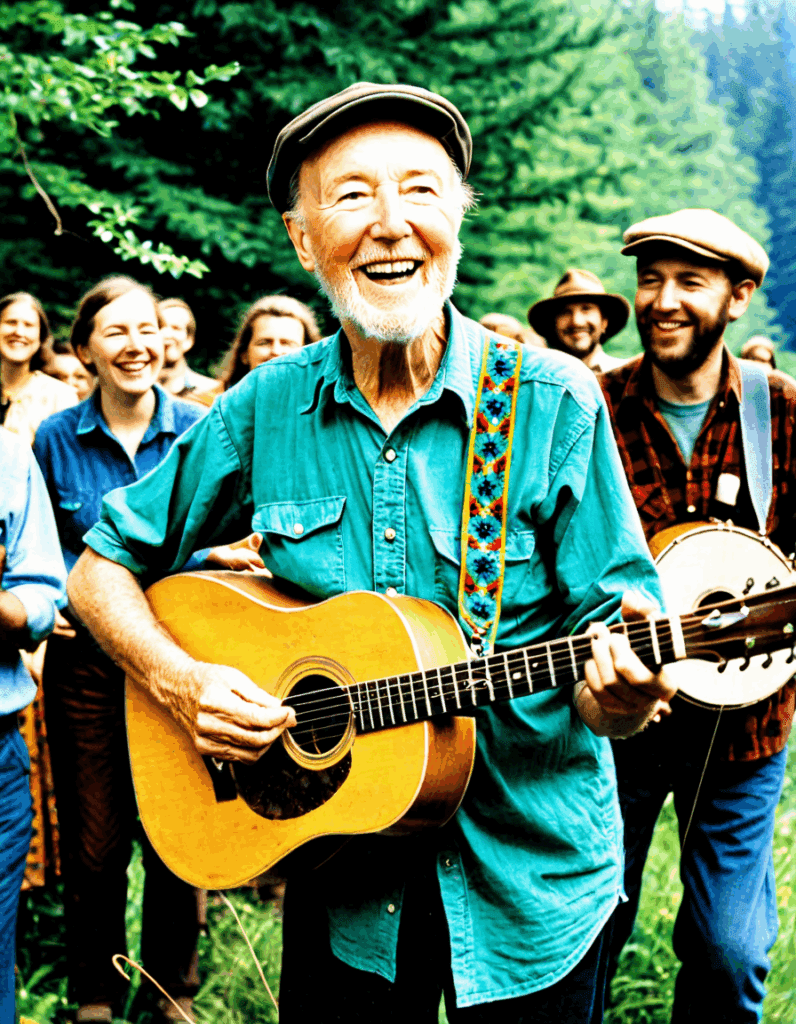
Exploring the Legacy of Pete Seeger
Pete Seeger was more than just a musician; he was a storyteller, activist, and a voice that echoed the dreams and struggles of the American people. Over an incredible career that stretched across eight decades, Seeger became synonymous with American folk music, blending enchanting melodies with poignant lyrics that spoke to the heart of social issues. His songs became anthems for change and resilience, captivating audiences and driving a movement that ignited a generation.
From the civil rights movement to environmental activism, Seeger’s music was a tool for social justice. He utilized melody to immerse listeners in a dialogue, urging them to stand for their beliefs. Songs flowed like a river, drawing people together for a common cause, be it around campfires or protest rallies. As we delve into his contributions, we see how the essence of his craft transcended mere entertainment, weaving itself into the very fabric of American culture.
He wasn’t just an artist; Seeger was a warrior for causes that mattered. His impact resonates today, reminding us of the transformative power of music. In a world often divided by stark lines, Pete Seeger’s legacy stands as a beacon of hope and unity. His ability to channel the spirit of collective experience invites people from all walks of life to join in the chorus of change, encouraging us to pick up the proverbial mantle left for us.
7 Essential Songs That Define Pete Seeger’s Impact
This haunting melody became an anthem for the civil rights and anti-war movements of the 1960s. Its timeless refrain embodies Seeger’s call for social justice, resonating with any listener who craves connection and understanding.
Co-written with socialist activist Lee Hays, this song showcases the spirit of activism. Its powerful themes of love, justice, and equality struck a chord in a decade marked by change. Artists from Peter, Paul and Mary to Trini Lopez have reminded us through their covers of the song’s lasting importance.
Originally composed by Woody Guthrie, Seeger’s adoption and adaptation brought this song into the folk canon. Beyond celebrating breathtaking American landscapes, it urges for unity and belonging-a timeless reminder of inclusivity.
Seeger adapted this biblical passage from Ecclesiastes, blending reflection with celebration. The Byrds’ 1965 rendition propelled it further into the mainstream, bridging generational divides through its universal message of peace and the cycle of life.
Seeger’s interpretation of Malvina Reynolds’ composition critiques suburban conformity and consumerism. Its catchy tune and sharp lyrics painted a cultural portrait of the 1960s, making it relevant as today’s discussions around identity and individuality continue to unfold.
This hymn of the civil rights movement soared through protests and rallies, adapting to various contexts to foster solidarity. Seeger’s unwavering support underscored the powerful role music plays in uniting people for a common cause.
Seeger popularized this traditional folk song, showcasing his prowess in reviving old tunes. The themes of love and longing resonate across generations, emphasizing Seeger’s knack for connecting listeners deeply and broadly.
Pete Seeger and the Modern Cultural Landscape
Seeger’s influence on contemporary artists is nothing short of monumental. Today’s musicians, ranging from Bruce Springsteen to Bob Dylan, continue to draw inspiration from his work. What’s perhaps less recognized is his imprint on unexpected mediums. Consider the character Buzz Lightyear from the “Toy Story” franchise-his journey and motivational spirit echo the same determination Seeger embodied.
Just as Buzz Lightyear embarks on adventurous quests for the greater good, Seeger’s songs explored themes of exploration and social responsibility. He inspired artists to weave narratives into their crafts, inviting audiences to not only reflect but also act. This camaraderie-bridging generations through art-is part of what makes Seeger’s legacy so robust and far-reaching.
In the fight for social change, Pete Seeger stood front and center, inspiring movements that shaped our cultural fabric. His spirit lives on through newer artists who continue to engage in both music and activism, proving that the essence of folk music is an ever-relevant vehicle for collective expression and change. The echoes of his melodies continue to resonate through the lives of many who champion Seeger’s ethos today.
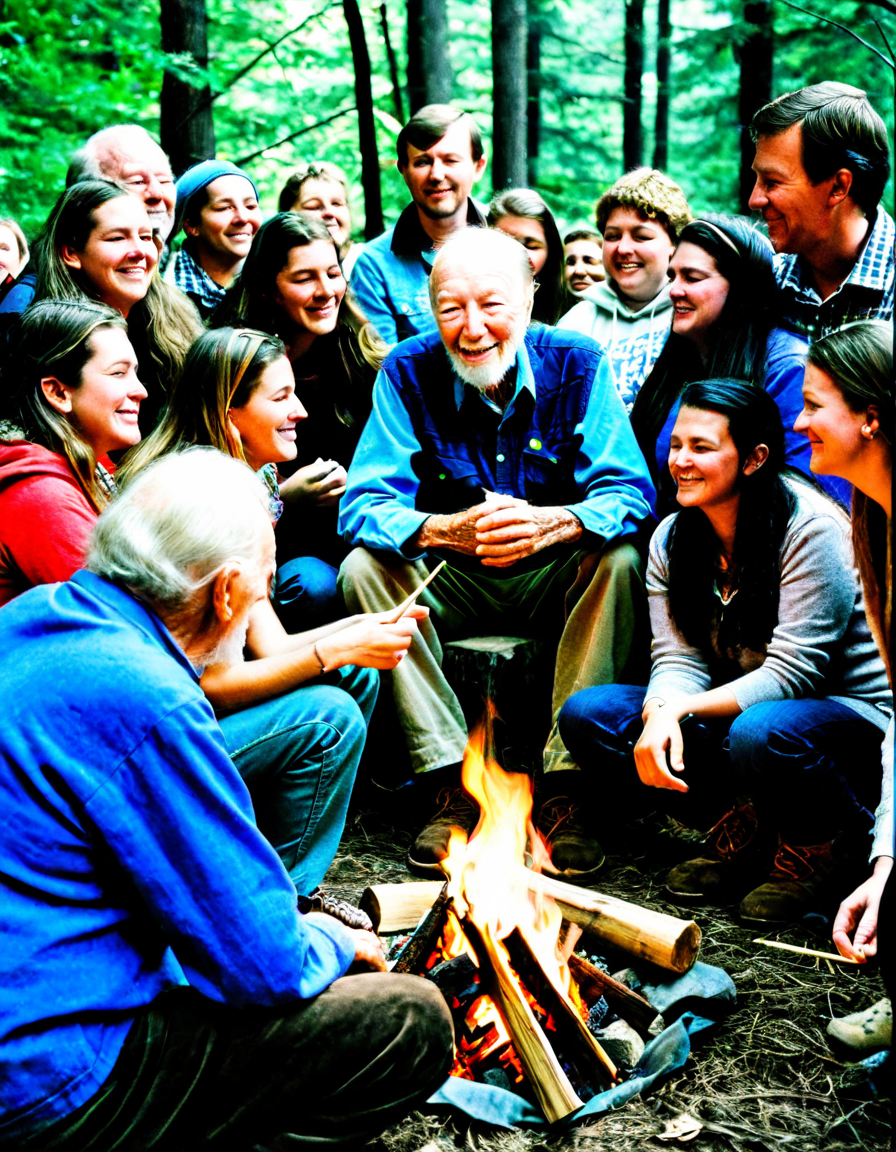
The Enduring Relevance of Folk Music in Today’s Society
As the world witnesses cultural revolutions, Pete Seeger’s music remains a potent reminder of song’s power to mobilize people. Music platforms have transformed from vinyl records to streaming services, but Seeger’s messages resonate just as strongly today. Modern artists like Hozier tap into folk traditions, addressing pressing issues like climate change and human rights, all while drawing from Seeger’s narrative style.
Folk music serves as a tapestry of collective experience, a uniting language that speaks to universal struggles. The legacy of Pete Seeger invites not just nostalgia but also action. Each generation might have its own song to sing, yet the spirit of Seeger’s music is woven into those very narratives.
It’s worth noting that folk music, in the twenty-first century, thrives not simply as a genre but as a vital channel for voicing societal challenges. Whether we’re rallying for environmental justice or advocating for equality, the essence of Seeger’s influence continues to empower people across the globe. As we step into the future, let’s hope that we carry his songs with us, transforming gatherings of protest into celebrations of change.
In the end, embracing Pete Seeger’s ethos provides a roadmap for tomorrow, urging us to recognize that music is more than a collection of notes-it’s a livelihood, a community, and a call to act. As we sing the songs of today, let’s remember the roots planted by Seeger and honor his legacy by finding our voices and letting them be heard.
Pete Seeger: Fun Trivia and Interesting Facts
The Man Behind the Music
Did you know that Pete Seeger was more than just a folk music icon? He had a profound impact on American culture, championing social justice and environmental causes. One signature element of Seeger’s style was his trusty banjo, which he used as a vehicle for storytelling throughout his extensive career. Interestingly, before he made his mark in folk music, Seeger dabbled in other art forms, including a brief stint as a part of a theatrical group, reminiscent of Orson Welles Innovative approach to performance. His gift for arrangements also gave rise to songs that, like The Grinch 2018, became holiday staples, transcending generations and cementing his legacy.
Activism Through Melody
Seeger didn’t just play music; he used it as a tool for activism. His songs often rallied audiences around significant social issues, echoing sentiments present in compelling narratives such as those found in Scrooged. When people hear his renditions today, it’s hard not to think of how they spark movements and create community. Did you know that one of Seeger’s most notable songs,We Shall Overcome, became an anthem of the civil rights movement? Just like the creative twists seen in popular shows like Star Trek: Strange New Worlds, Seeger’s music often reimagined traditional themes, pushing boundaries and inspiring collective action.
A Life of Inspiration
Seeger also had a flair for symbols and imagery that captivated audiences. His Shaggy hair Became a part of his iconic persona, making him instantly recognizable, especially in the vibrant folk scene of the ’60s. Another fun fact? The Sun And Moon fnaf Connection emphasizes his music’s effect on various art forms, as many indie creators draw inspiration from his lyrical genius. As a performer, he was charismatic and inviting, encouraging his fans to sing along, kind of like the communal vibe people felt watching Shannon Sharpe and Skip Bayless in Undisputed. This emphasis on participation is a core aspect of Seeger’s legacy, showing just how connected he was to his audience.
Throughout his life, Pete Seeger remained a beacon of hope and a catalyst for change. Whether he was strumming his banjo or singing on stages, he continually inspired generations to come together and share in the joy of music and activism-much like the unforgettable magic of Mannequin Or the nostalgia of looking back at memorable battles like Netherlands Vs England. Seeger’s presence was felt not only in the music world but also in the hearts of those who believe in the power of song.
This article was produced with AI assistance. How Loaded Video uses AI.
Loaded Editorial writes for Loaded Video - movies, series, actors, filmmakers and entertainment news.