1. The Mythos of Pretty Boy Floyd: A Legacy in Crime
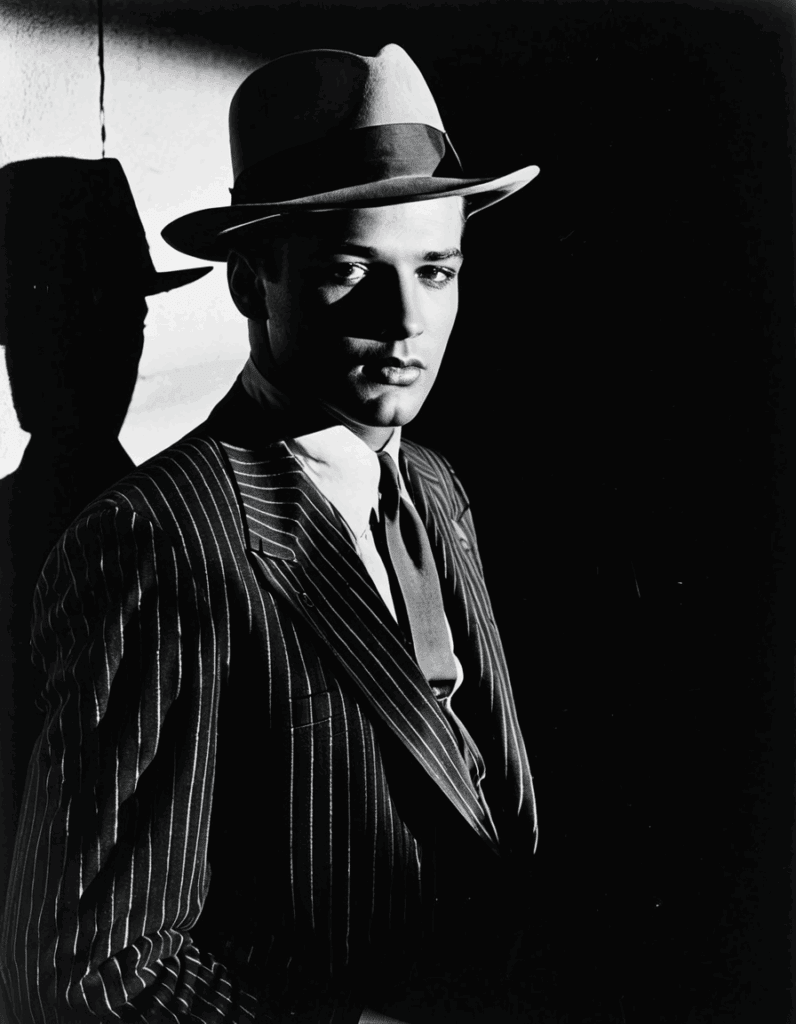
Pretty Boy Floyd, born Charles Arthur Floyd in 1904, transcended the label of a mere gangster; he became a symbol of rebellion during the Great Depression. With his striking looks and charisma, he captivated the American public while robbing banks at a time when many were struggling to survive. Unlike contemporaries like John Dillinger, who were often perceived as merely criminals, Floyd was romanticized as a modern-day Robin Hood. This section delves into how his image was deftly crafted through media manipulation and public perception, influencing both popular culture and the criminal underworld.
Floyd’s story took root against the backdrop of economic turmoil, and he drew sympathy from ordinary folks who saw him as a fighter against an unjust system. As banks foreclosed on homes and families lost everything, Floyd’s daring escapades became mythologized through newspapers that presented him not just as a thief, but as a “ladies’ man” who could charm his victims and evade the law. This media portrayal allowed Floyd to dance on the fine line of heroism and villainy, capturing the imaginations of a desperate populace.
By blending daring heists with a sense of style, Floyd carved out a personality that went beyond mere crime. His exploits weren’t just tales of money and greed; they resonated with those yearning for hope during dark times. They even inspired songs and stories, solidifying Pretty Boy Floyd’s status as an American folk hero. This interconnectedness of reality and folklore continues to echo in our cultural narrative, shaping how we view figures like Floyd today.
2. Top 5 Reasons Why Pretty Boy Floyd Remains a Cultural Icon
2.1 The Charismatic Figure of Pretty Boy Floyd
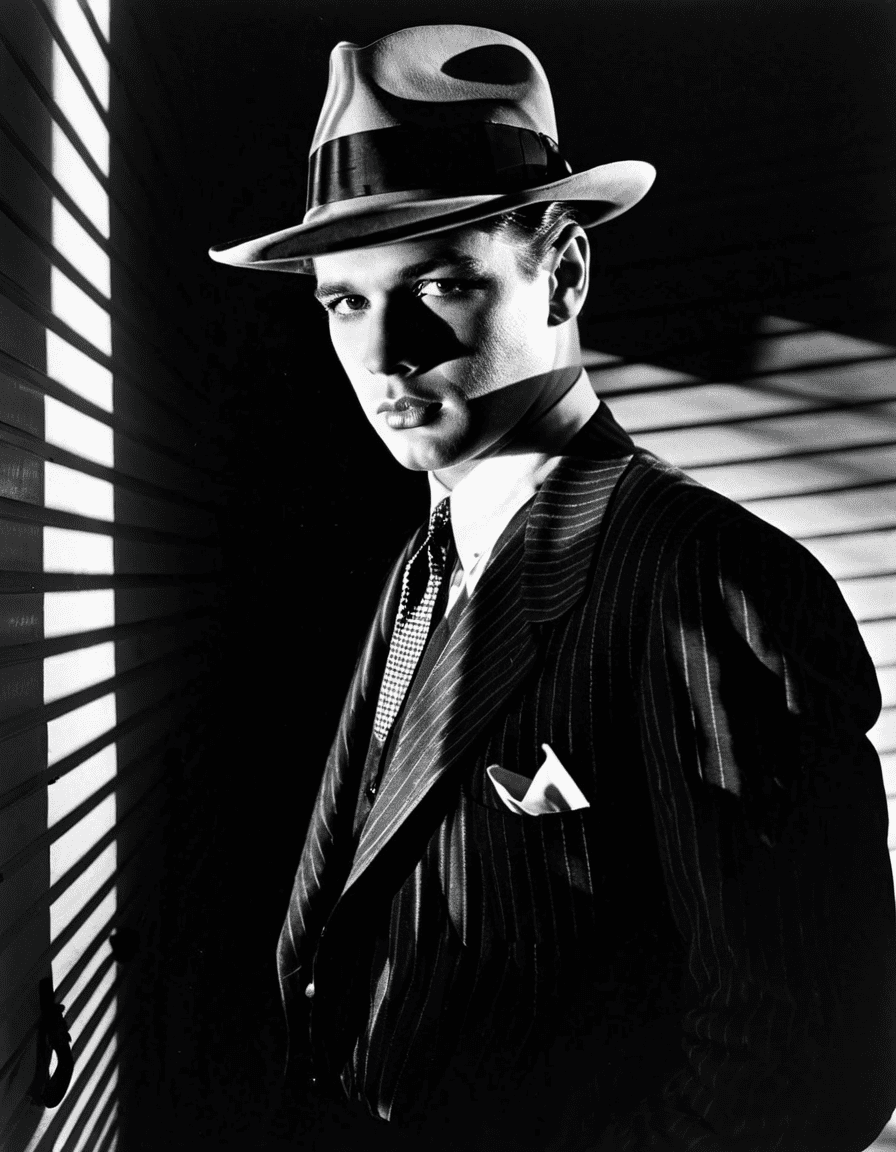
Floyd’s persona is punctuated by a charisma that won over ordinary people. His stylish appearance earned him the nickname “Pretty Boy,” a tongue-in-cheek moniker that starkly contrasted with the violent nature of his activities. He had a knack for blending into society, making him relatable to many Americans grappling with economic hardships. People often saw him not only as a bandit but as a guy who understood their plight.
His charm extended beyond his appearance, into the way he interacted with people. Floyd was known for his ability to connect with everyday folk, creating a sense of camaraderie amidst chaos. His escapades weren’t just bank heists; they were adventures that inspired a cult-like following.
2.2 Cinematic Representation: From ‘Public Enemy’ to Modern Films
Over the decades, Pretty Boy Floyd’s character has been depicted in various films and series, showcasing different interpretations of his life and criminal endeavors. Classics like “Public Enemy” (1931) portrayed gangsters in a glamorous light, setting the stage for later films that would delve deeper into their backstories. Contemporary films also examine the duality of criminals, allowing viewers to see the human side of notorious gangsters.
The intriguing interplay between glorifying and condemning figures like Floyd reflects society’s shifting attitudes towards crime and capitalism. Modern storytelling often mirrors Floyd’s life, examining not just the thrills of the chase but also the moral ambiguities that define his legacy. From crime dramas to biopics, Pretty Boy Floyd’s portrayal continues to evolve while maintaining a foothold in popular culture.
2.3 Pretty Boy Floyd’s Connection to the Jazz Age and the Roaring Twenties
Pretty Boy Floyd’s escapades are tightly woven into the fabric of the Jazz Age-a time when the nation celebrated excess and rebellion against Prohibition. This cultural backdrop not only served as a vivacious stage for his life but also intertwined his narrative with the dramatic shifts occurring in society. Jazz music, a defining feature of the era, often narrated tales of love, desperation, and rebellion, echoing Floyd’s own journey.
The carefree spirit of the Roaring Twenties enhanced Floyd’s allure, placing him in the company of other pop culture icons. As musicians and artists thrived, so did outlaws like Floyd. The connection between jazz and crime became symbolic of a larger narrative in America, reinforcing themes of freedom and the fight against oppressive systems.
2.4 The Enduring Legacy and Influence on Modern Figures
From mobsters in media to contemporary artists like Ice Cube, who incorporate themes of rebellion and resilience, Pretty Boy Floyd’s legacy reverberates in today’s culture. His life mirrors narratives found in music, film, and television, straddling the line between admiration and condemnation. The continued fascination with gangsters reflects a broader understanding of the American experience-where crime is sometimes depicted as a path to success.
Pretty Boy Floyd’s story has educated countless filmmakers, writers, and musicians in crafting their own tales steeped in rebellion and anti-establishment sentiments. He hasn’t just influenced crime dramas; his character traits continue to pop up in modern storytelling, connecting past to present and showcasing how folklore shapes our views on crime.
2.5 The Financial Footprint: Unveiling the Jelly Roll Net Worth Comparison
Analyzing the business acumen of Pretty Boy Floyd brings a unique perspective, especially when compared with modern celebrities like Jelly Roll, whose financial prowess represents a parallel to Floyd’s ability to mobilize resources during his heists. Floyd’s criminal activities funded an extravagant lifestyle reminiscent of how artists today thrive off branding and public persona.
Like Jelly Roll, whose net worth has burgeoned from talent and savvy marketing, Floyd turned his ill-gotten gains into a lavish existence. This comparison highlights not only a connection between crime and creative success but also the ways in which fame can reshape public perception. Whether through the glamorous worlds of music or outlaws, both figures epitomize a certain allure in their respective spheres.
3. The Hard Knocks of Being a Notorious Gangster
Engaging in crime poses considerable risks and personal costs, as Pretty Boy Floyd quickly learned. He navigated a treacherous environment, echoing the struggles faced by today’s artists and entertainers who may deal with similar challenges. Much like the characters in Netflix’s “Ozark,” the shadowy world of criminality can lead to betrayal, violence, and an ever-looming sense of doom.
Floyd’s life is a stark reminder that behind the glamor and excitement lies a harsh reality. Decisions have consequences, and the lifestyle of a gangster generally ends in tragedy. Many heroes and antiheroes endure struggles that shape their narratives, revealing both the fear and thrill of life on the edge.
Floyd’s legacy serves as an example of how ambitious paths can come at a heavy cost. The hard knocks associated with his choices not only define him as a character but illustrate a broader commentary on ambition, success, and the price one pays in pursuit of the American Dream.
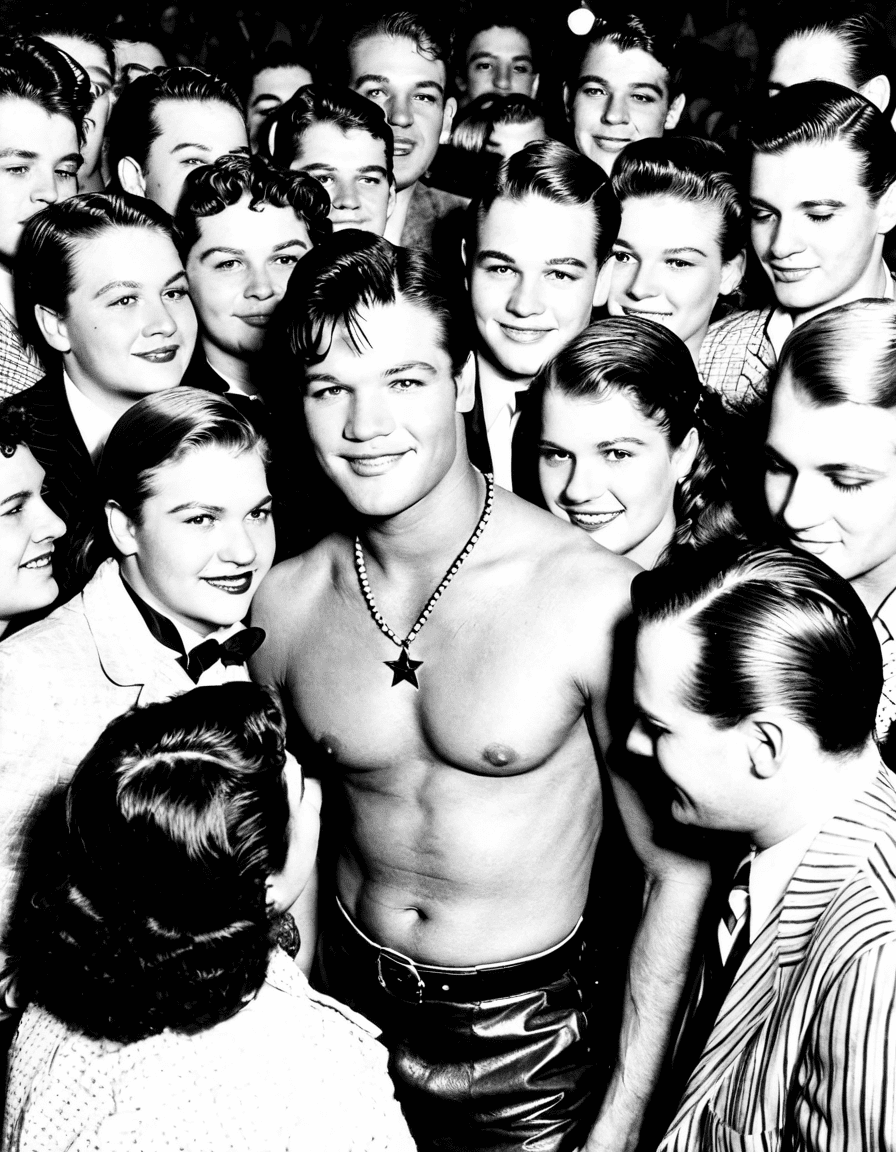
4. The Uneasy Intersection of Legend and Reality
While he’s often celebrated as a charming outlaw, the truth of Floyd’s life unveils a man grappling with moral ambiguity. His true story showcases the intricate undertones of the American Dream, highlighting how success often comes with a hefty price tag. As viewers explore his relationships, decisions, and ultimate fate, they gain a deeper insight into what it means to straddle the line between legend and harsh reality.
The narrative of Pretty Boy Floyd invites audiences to question their perceptions of heroes and villains. The complexities behind his persona challenge the often simplistic views of crime and morality, forcing a re-evaluation of not just the man but the society that created him. This duality pushes the boundaries of storytelling, highlighting the messy truth that lies beneath the surface.
At the end of the day, the struggle of Pretty Boy Floyd mirrors the complexities faced by many today. His legend offers a lens through which we can examine our fascination with crime and celebrity, urging a deeper look into the human conditions that give rise to such figures.
5. The Cultural Re-examination of Pretty Boy Floyd
Fast-forwarding to 2026, interest in Pretty Boy Floyd has reached new heights, especially amidst evolving conversations surrounding crime, justice, and cultural narratives in America. Recent documentaries, articles, and podcasts have sought to shed fresh light on the folklore surrounding Floyd, challenging the romanticized portrayal oftentimes used to glorify his persona.
The current cultural climate encourages a critical assessment of figures like Floyd, prompting audiences to confront uncomfortable truths. This shift invites discussions about societal factors that shape criminal behavior, exploring how economic disparities, racial injustice, and systemic issues play pivotal roles in crafting legendary characters.
Questions abound: How do we reconcile society’s fascination with outlaws while addressing the implications of their actions? The cultural re-examination of Pretty Boy Floyd not only sheds light on his personal narrative but also serves as a reflection of society’s ongoing struggles with crime and justice. This holds invaluable relevance as it emphasizes that the past continually shapes the present.
As our understanding of historical figures evolves, Pretty Boy Floyd stands as a compelling representation of America’s complex relationship with crime, celebrity, and social justice. His story remains relevant, capturing the persistence of cultural shifts and societal challenges, ensuring that Floyd will be remembered not just for his criminal exploits but for his enduring impact on American culture.
By interweaving these themes, the history of Pretty Boy Floyd transcends the narrative of a criminal to become an emblematic representation of American turmoil and resilience. The allure of his story encapsulates not only individual ambition but also the socio-economic landscape that continues to inform the American experience.
Pretty Boy Floyd: The Notorious Gangster Legend
A High-Rolling Outlaw
Pretty Boy Floyd, born as Charles Arthur Floyd, is often remembered as a scandalous figure during the Great Depression. He became an outlaw in the 1930s, notorious for robbing banks across the Midwest. Interestingly, he earned the moniker “pretty boy” due to his strikingly handsome features, which seemed to charm both the public and the press. In a way, Floyd was a celebrity of his times-much like how celebrities today, like Tr Knight, capture the spotlight for their charisma (you can read more about him here). Despite his fashionably glamorous image, his life was anything but glamorous as he faced lawmen bent on bringing him to justice.
It’s fascinating to note that while Floyd was on the run, one of his well-known associates was the infamous Baby Face nelson. Their criminal exploits together highlighted a partnership that was every bit as intriguing as any Hollywood buddy movie, and their antics often baffled those trying to catch them. The weather in places like Sioux Falls, where he was rumored to have hid out, could be just as unpredictable as his criminal career, making it even more challenging for law enforcement to track him down (check the latest Sioux Falls weather For a taste of that unpredictability).
A Life That Captivated America
Pretty Boy Floyd’s story wasn’t just about crime; it painted a picture of the struggles many faced during the Great Depression. During this challenging time, many viewed him as a Robin Hood figure, stealing from banks and, in some instances, “sharing” with the poor. This public perception contributed to his ongoing legend, since many were rooting for a man they considered a product of his times. His life inspired numerous films, including those featuring characters akin to a young Trent Richardson Or Karch Kiraly, symbols of athletic prowess and skill in their fields. Read more about their journeys here( and here.
In the end, Pretty Boy Floyd met his demise at the hands of law enforcement in 1938, leaving behind a legacy filled with both admiration and disdain. His thrilling escapades remind us of the duality of human nature. Much like today’s sensational figures-whether they be musicians or even controversial media hosts like Tucker Carlson on Twitter (find out more about that Here)-Floyd’s( life was a cocktail of sins and allure. Even in death, he remains a figure of intrigue, drawing in new fans and followers with each retelling of his story. His life showcases how an outlaw’s legend can persist, capturing the imagination long after the dust has settled.
This article was produced with AI assistance. How Loaded Video uses AI.
Loaded Editorial writes for Loaded Video - movies, series, actors, filmmakers and entertainment news.