
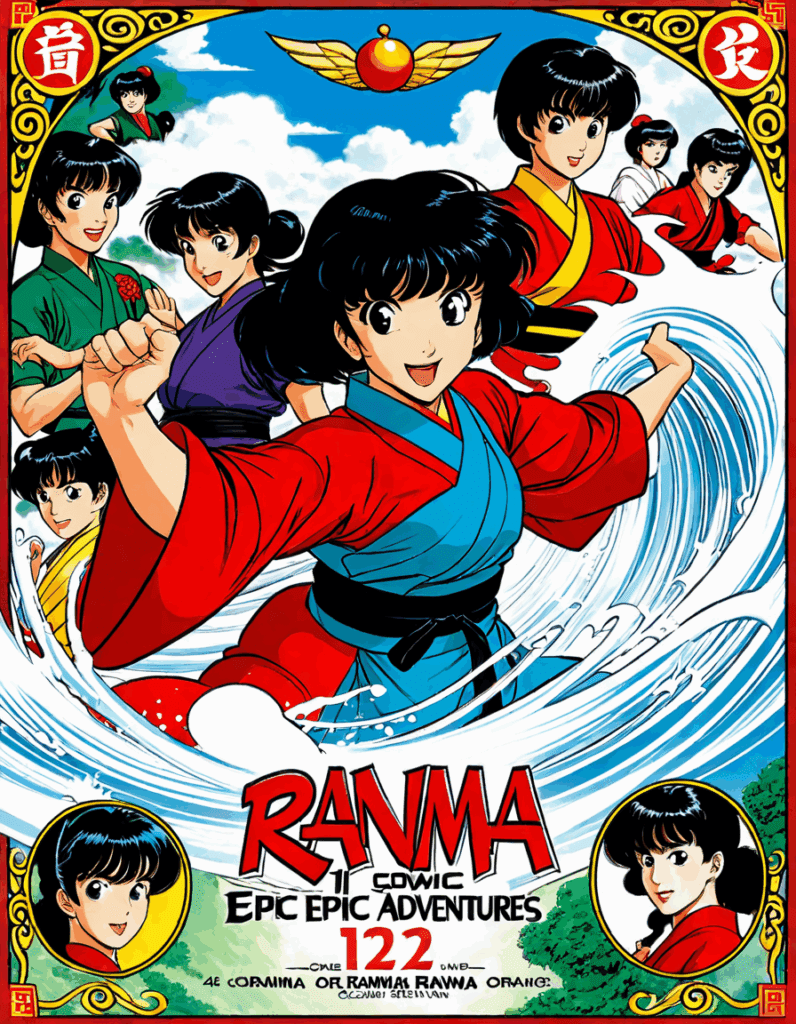
In the vibrant landscape of anime, few show stand out quite like Ranma ½, a series that brilliantly intertwines humor, romance, and, most importantly, transformation. Created by the incomparable Rumiko Takahashi, Ranma ½ Has become a cultural phenomenon since its debut in the late 1980s, serving as a crucial touchstone for discussions around gender identity and relationships in media. The series challenges societal norms with its unique premise: the protagonist, Ranma Saotome, is cursed to change genders whenever he comes into contact with cold water. This fascinating narrative approach not only redefined gender representation in anime but also resonated deeply with audiences worldwide. Here’s a closer look at how Ranma ½ Forever changed the anime landscape.
7 Ways Ranma ½ Redefined Gender Representation in Anime
The late ’80s and early ’90s were crucial in shaping modern anime, and Ranma ½ Boldly tackled themes that were not commonly discussed back then. Below are seven significant influences that show how this groundbreaking title changed the way gender representation is portrayed in anime.
1. Fluid Gender Identity
At its core, Ranma ½ Explores the theme of gender fluidity in a manner that’s accessible yet profound. The very concept of Ranma shifting between male and female forms due to a curse was, in many ways, revolutionary. It sparked dialogues about gender roles and identities, showcasing that masculinity and femininity could exist on a spectrum. This idea resonated strongly with audiences of that era, igniting discussions on gender that are just as relevant today.
2. Complex Female Characters
Unlike many anime of its time, Ranma ½ Boasts a variety of strong female characters such as Akane Tendo, who is not just a love interest but a fierce martial artist with her own ambitions. Characters like Shampoo and Ukyo Kuonji also break stereotypes; they are multidimensional, possessing their own arcs, struggles, and capabilities. This emphasis on character depth allows viewers to see women in a robust and varied light, challenging the trope of the passive female sidekick.
3. Humor in Gender Roles
Humor is a critical tool in Ranma ½, often used to highlight the absurdity of rigid gender roles. Episodes where Ranma faces humorous dilemmas-like dealing with romantic advancements while in his female form-allow the show to address deeper issues without becoming overly didactic. The comedic moments foster a light-hearted environment for viewers to engage with serious topics concerning gender identity and societal expectations.
4. Influencing Future Creators
The impact of Ranma ½ Is undeniable in shaping future anime and manga creators. Writers like Hiromu Arakawa, known for Fullmetal Alchemist, and Eiichiro Oda, creator of One Piece, have cited Takahashi’s crossover of genres and deeper themes as an inspiration for their own storytelling. This influence has opened doors for more progressive and complex narratives in the anime world.
5. Addressing Gender Norms in Relationships
Ranma ½ Takes a unique spin on romantic relationships, making characters face insecurities tied to their gender roles. Ranma’s unpredictable transformation and the subsequent romantic entanglements raise questions about societal pressures and expectations of masculinity and femininity. These elements add a layer of complexity, enabling viewers to reflect on the norms that shape their own lives.
6. Global Cultural Impact
From its inception, Ranma ½ Crossed cultural boundaries, earning a devoted global fanbase. It introduced broad audiences to ideas surrounding gender fluidity, allowing greater acceptance in various cultures. The series laid the groundwork for future titles to tackle complex subjects, enriching the storytelling fabric of anime as a whole.
7. Continued Relevance in Modern Discourse
Fast forward to today, the themes at the core of Ranma ½ Remain strikingly relevant amidst modern conversations about gender identity. Successors like Demon Slayer And My Hero Academia Carry forward themes of transformation and self-discovery, reflecting the ongoing evolution in character representation. The legacy of Ranma ½ Lives on in the increasing visibility of LGBTQ+ narratives, enriching contemporary anime with diverse perspectives.
Cultural Impact of Ranma ½: Beyond Transformation
Though primarily recognized for its transformative narrative concerning love and identity, the cultural reach of Ranma ½ Transcends the obvious. It challenged traditional storytelling frameworks and offered audiences humor and depth, both of which were groundbreaking for its time.
Evolution of the Romance Genre in Anime
Historically, anime romance often fell back on cliched, predictable arcs. However, Ranma ½ Broke that mold, presenting relationships laced with competition, misunderstandings, and unconventional courtship dynamics. This shift helped inspire a new wave of shows that strive for more authentic portrayals of human interactions, moving away from simplistic boy-meets-girl tropes.
Shaping the Future of Gender Politics in Anime
The dialogue initiated by Ranma ½ Still echoes in the anime community today, influencing discussions around gender representation. Events like Anime Expo are increasingly hosting panels focused on gender identity and representation, demonstrating a growing recognition of the themes Ranma ½ Brought to the forefront. Generations of anime fans now engage with narratives that probe into non-binary experiences and queer relationships.
Current Trends in Animation Reflecting Ranma ½’s Legacy
The influence of Ranma ½ Can be seen in the rise of streaming content that showcases authentic portrayals of identity. Series like Sex Education And Heartstopper Not only celebrate love but dive into complex character growth, touching on some of the same themes that Takahashi brilliantly addressed. Just as Ranma ½ Pushed boundaries, these shows continue that legacy by fostering deeper conversations around self-acceptance and identity.
Embracing Transformation in a Modern Context
Ranma ½ Stands as a cultural milestone that set the stage for nuanced explorations of transformation, whether it’s in gender or relationships. The series combined humor with poignant moments, creating narratives that resonate with audiences today.
As viewers and creators tackle their own battles with identity, Ranma ½ Serves as a reminder of the impact successful storytelling can have. Just as Ranma faced a plethora of unique challenges, our contemporary media struggles with defining truth in identity and love. With its profound approach to complex themes and relatable characters, Ranma ½ Remains a compelling source of inspiration and discussion in an ever-evolving media landscape.
In closing, whether you’re re-watching the series or diving into related works, remember that the legacy of Ranma ½ Will always spark meaningful conversations and explorations of what it means to embrace one’s self in a world full of expectations. So, grab your favorite series-whether it’s Curb Your Enthusiasm Season 12 Or even engaging in games like Project Zomboid-and reflect on how far we’ve come in understanding identity, love, and the transformative power of media.
Fun Trivia and Interesting Facts about ranma 1 2
A Cultural Phenomenon
Did you know that Ranma 1/2 Wasn’t just a hit in Japan? This beloved series made waves internationally and helped to popularize anime outside of Asia. Its quirky premise of martial arts mixed with transformation and romance captured the hearts of fans around the globe. Just like the crazy antics of Rob Dyrdek, who’s known for blending sports and humor in his own brand, Ranma 1/2 Brought together action and comedy in a way that made everyone laugh and cheer. What’s more, the show’s not-so-serious take on gender roles sparked plenty of discussions, making it a trailblazer in its portrayal of fluid identity and relationships.
Characters with Depth
The characters in Ranma 1/2 Are as colorful as the wildest Dr. Seuss illustration; they each have distinct personalities that add layers to the storyline. For example, Akane, Ranma’s fiancée, is tough yet deeply caring, embodying the complexities women often face in both love and life. This charming dynamic is reminiscent of tales told by Mia Farrow, who has often portrayed characters dealing with personal transformation and love. Additionally, the show features a diverse cast that expands from powerful martial artists to comedic side characters, reminiscent of the Cast Of Dinnerladies Who brought together humor and heart in their performances.
Transformative Themes
Transformation isn’t just physical in Ranma 1/2; it also symbolizes personal growth and self-acceptance-a theme that resonates with many viewers. Speaking of transformations, you might recall Jordan Belfort’s rise and fall in the world of finance, which also illustrates the often complicated nature of identity and true self. Like the protagonists of Limbus Company, who grapple with their own struggles, Ranma and his friends navigate their unique challenges on their journey of love and acceptance. The series has entertained generations, proving that, much like finding the perfect pair of Mens shorts, a story that combines humor with genuine emotion is always in style.
In short, Ranma 1/2 Is more than just a funny anime-it’s a cultural landmark that thoughtfully explores themes of identity, love, and the hilarity of life’s unpredictability. So, whether you’re a longtime fan or a curious newcomer, there’s always something captivating to discover in the world of Ranma 1/2.
This article was produced with AI assistance. How Loaded Video uses AI.
Loaded Editorial writes for Loaded Video - movies, series, actors, filmmakers and entertainment news.