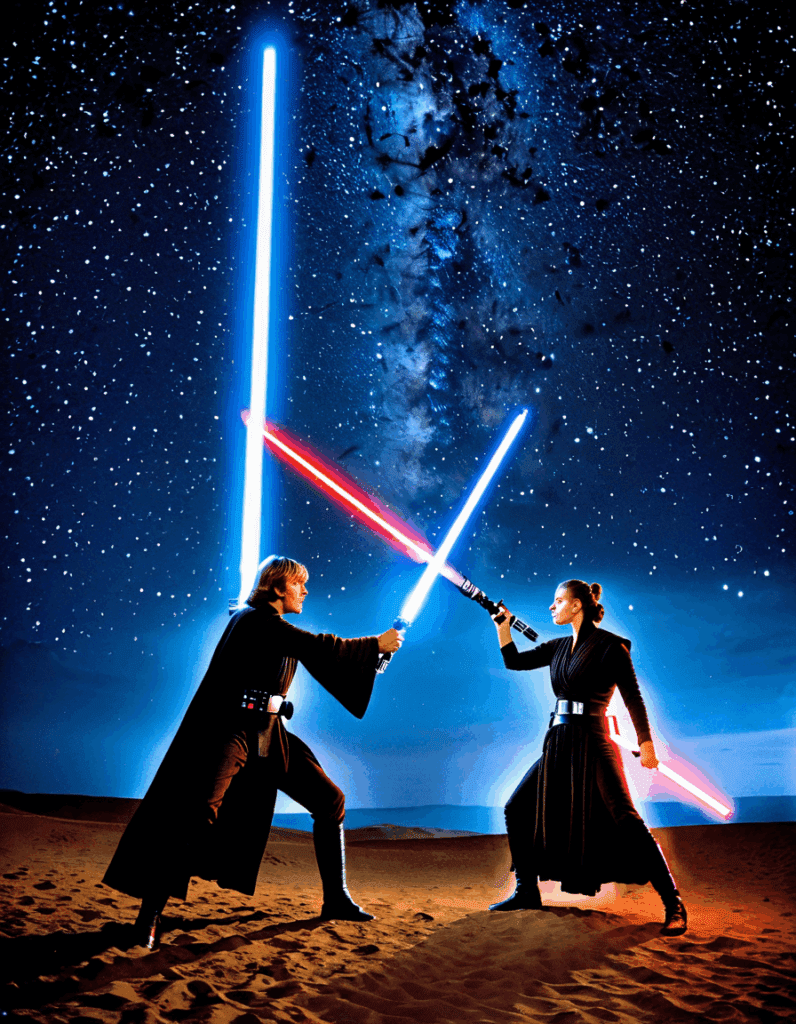
In the annals of cinematic history, few films have left as indelible a mark as “Return of the Jedi.” Released in 1983, this film served not just as the conclusion to the original Star Wars trilogy but also transformed the landscape of sci-fi storytelling, merchandising, and fan engagement. The Return of the Jedi Not only showcased epic battles and heartwarming reunions but also etched unforgettable moments into the hearts of millions. From character arcs to visual effects, let’s delve into five pivotal ways “Return of the Jedi” shaped the future of Star Wars and the broader cultural ecosystem surrounding it.
1. The Evolution of Franchise Storytelling
“Return of the Jedi” Introduced a refined narrative structure that set a new standard for future franchises. This film delved deep into character arcs, especially Luke Skywalker, who transformed from a naive farm boy into a powerful Jedi Knight. This evolution is crucial for audiences, offering relatable growth. The emphasis on character development resonates strongly in contemporary hits like “Harry Potter,” Where the journey of each character plays a vital role in the storyline.
Franchises like Battlestar Galactica Also echo this technique. Complex character dynamics and moral ambiguity resonate through episodes, much like Luke’s struggle to balance the light and dark within himself. This approach not only deepens storytelling but creates a connection with viewers, driving them to invest emotionally.
Additionally, the impact of Return of the Jedi Can be acknowledged in character-driven narratives across various genres. Films such as The Lord of the Rings And The Hunger Games Continue this legacy, ensuring that audiences remain captivated by character journeys.
2. The Power of Visual Effects and Cinematic Techniques
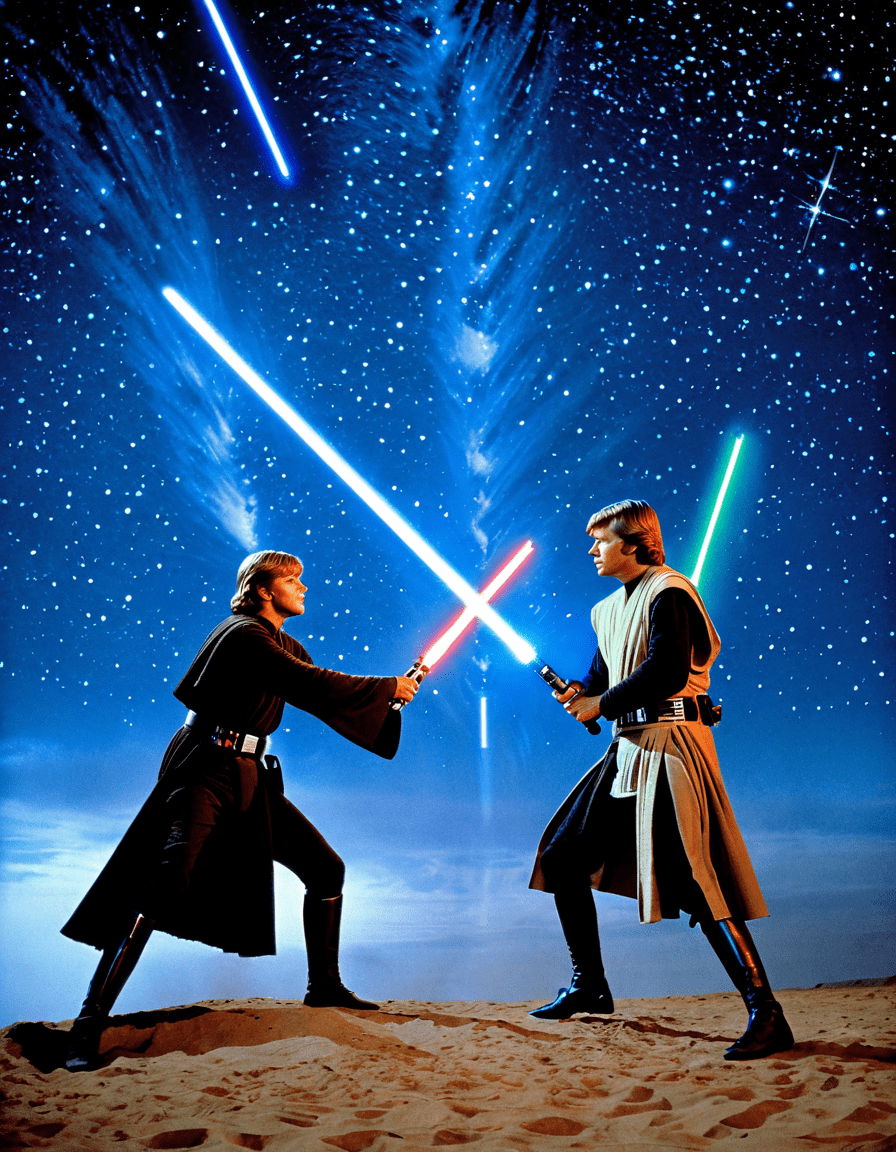
The groundbreaking visual effects of “Return of the Jedi” Pushed Hollywood’s technical standards to new heights. The use of innovative puppetry and animation breathed life into legendary characters like Jabba the Hutt. This movie changed audiences’ expectations for not just sci-fi but films across every genre. Today’s filmmakers draw inspiration from those pioneering techniques, evident in modern classics.
Take “Avatar,” For instance. It redefined 3D experiences while continuing the legacy of visual storytelling introduced in the Return of the Jedi. Similarly, the Star Wars LEGO Star Sets embody this spirit, inspiring creativity in children and adults alike. The starships of the Rebel Alliance remain a cultural touchstone, combining nostalgia with innovation.
Moreover, the evolution of technology isn’t overlooked in newer franchises. Series like “The Mandalorian” Showcase impressive advances in cinematography and effects, elevating storytelling to an immersive level akin to the iconic Return of the Jedi Moment when the Death Star explodes.
3. Merchandising as a Cultural Phenomenon
The immense success of “Return of the Jedi” Underscored the importance of merchandising, forever changing how studios engage with fans. The film’s release ignited a frenzy for action figures, LEGO sets, and board games like “Star Wars: X-Wing.” What started as promotional items turned into a multi-billion dollar industry.
The clever partnership with companies like Hasbro And LEGO Showcased that merchandise could be just as beloved as the films themselves. Today, collectors pay top dollar for rare figures, proving the cultural significance these products have. The collectibles market born from Return of the Jedi Continues to thrive, demonstrating a strategic brand-building approach that’s now a staple of franchise cinema.
The impact continues as even newer properties, like “Transformers: Rise of the Beasts,” Harness these marketing strategies, ensuring that merchandise maintains its status as essential to the cinematic experience.
4. Fostering a Global Fan Community
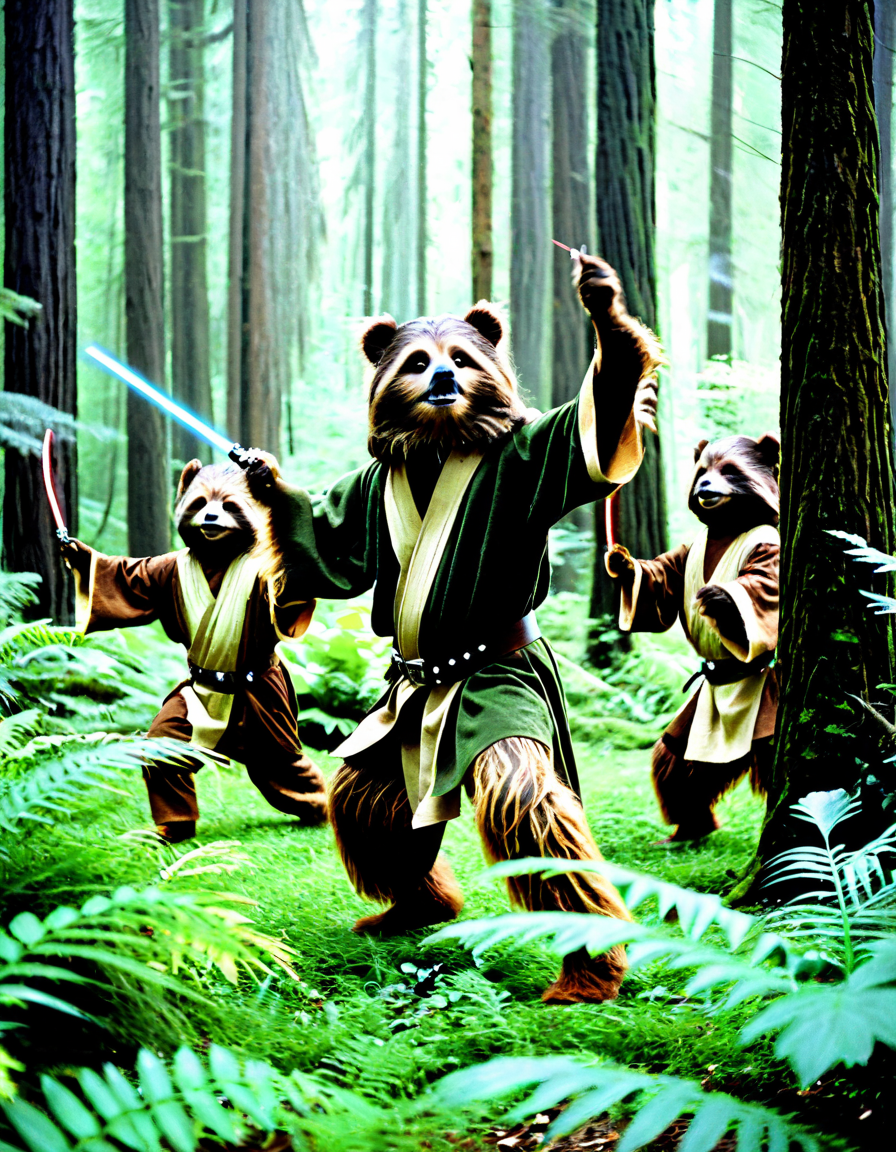
The implications of “Return of the Jedi” Extend far beyond the silver screen; it sparked a passion among fans that’s now one of the largest global communities. Events like Star Wars Celebration And online forums allow fans to engage with the lore and connect with one another. The film sowed seeds for a vibrant fan culture that thrives today, similar to the dedicated community around Dragon Ball Z.
As fans bond over their mutual love for Return of the Jedi, This phenomenon reflects a broader shift in audience dynamics. Generations of fans are continuously creating art, stories, and videos, engaging with the material in innovative ways. From cosplay to fan fiction, this community serves as a strong lifeline for the franchise.
Moreover, as companies recognize the value of fan-led initiatives, they foster a deeper connection with their audience. The fandom around Return of the Jedi Has evolved, remaining as influential today as it was upon its initial release.
5. The Shift Towards Diverse Storytelling
Lastly, “Return of the Jedi” Marked an initial shift toward more diverse storytelling within the Star Wars universe. Characters like Lando Calrissian And Leia Organa Broke ground for representation that previously had been few and far between. This shift laid the foundation for more inclusive narratives within subsequent films and series, from The Mandalorian To Star Wars: Ahsoka.
This commitment to diversity resonates in broader media today. As mainstream films and shows increasingly reflect varied representations, audiences respond positively. Contemporary properties like “The Witcher” Embrace eclectic casts, ensuring that stories resonate widely.
In conclusion, Return of the Jedi Isn’t just a film; it’s a cultural touchstone that has profoundly impacted the industry. This epic finale not only wrapped up a beloved saga but also reshaped storytelling, audience engagement, and the very fabric of franchise cinema. Even after nearly four decades, the Force remains strong with this one, lighting the way for the future of cinema and beyond.
Return of the Jedi: Epic Finale That Changed Star Wars
Fun Facts That Might Surprise You
The Return of the Jedi Not only closed out the original Star Wars trilogy but also solidified its cultural footprint. Did you know that the film’s animatronic creatures were often built by the same crew responsible for working on The Muppet Show? It’s true! Creatures like Jabba the Hutt had such detailed design that they sometimes made headlines, kind of like how a Fat Titted Talk show might stir up headlines with their wild antics! This attention to detail went a long way in creating an immersive experience for fans.
Now, let’s talk music! The score for Return of the Jedi Is iconic, thanks to the legendary John Williams. But did you know that during post-production, Williams was influenced by various genres, including funk? It might sound a bit like something you’d expect from the band Khruangbin, known for their eclectic sound blending different musical styles. These creative choices helped shape the film’s energetic vibe, making it unforgettable.
Another interesting nugget comes from the film’s box office performance. Return of the Jedi Was the first film to surpass the $100 million mark within its opening week, a feat that showed the power of the Star Wars franchise. This excitement built up around the movie took inspiration from peak pop culture, similar to how superheroes inspired the wave of hits like Transformers: Rise of the Beasts. With all this, it’s no wonder that Return of the Jedi Remains a beloved cinematic milestone. Plus, if you’re a fan of animated shows, you might find it amusing how shows like Pj Masks serie Capture the same heroic spirit that made this epic finale resonate with audiences of all ages.
Behind the Scenes: What You Didn’t Know
Filmmaking is all about collaboration. Return of the Jedi Had famous actors, such as Harry Carey jr., who played a small but memorable role in the film. His experience truly enriched the project, making it a melting pot of talent. Additionally, David Foster, known for his work in music, was also part of the broader creative discussions, underscoring how varied contributions help create cinematic classics. The end result? A film that stands alongside cultural giants, connecting generations long after its initial release.
Lastly, let’s not overlook the connection to modern narratives. The themes of redemption and heroism in Return of the Jedi Seem to resonate even in today’s storytelling. Just as a 16-year-old girl might find empowerment in fairy tales or fantastical adventures, audiences of all ages connect with Luke and Leia’s struggles, reflecting their everyday lives. And speaking of connections, the news sometimes spreads myths, like the unfortunate rumor that Messi Died, which reminds us how timeless stories can inspire emotion, even amidst hysterical headlines. Return of the Jedi Not only gave closure to a beloved saga but also encouraged new stories to bloom and inspired future filmmakers to reach for the stars.
This article was produced with AI assistance. How Loaded Video uses AI.
Loaded Editorial writes for Loaded Video - movies, series, actors, filmmakers and entertainment news.