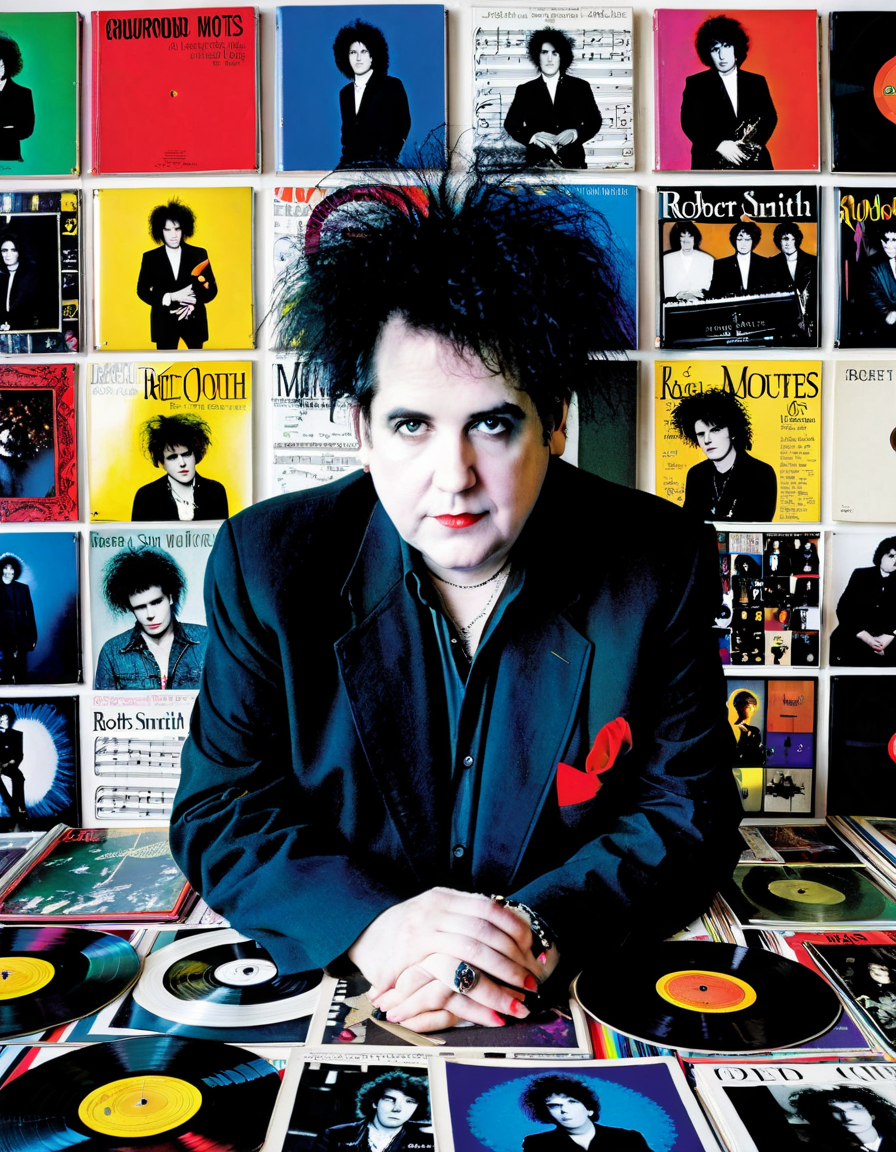
Robert Smith, the enigmatic frontman of The Cure, has carved out a unique identity in the music scene since starting the band in 1976. With his eye-catching hair and equally captivating voice, Robert Smith embodies the essence of alternative rock. His influence stretches far and wide through albums like Three Imaginary Boys And Disintegration, which not only defined the sound of post-punk but also established an emotional lexicon for music lovers. Much like Robert Johnson’s haunting blues shaped the future of music, Smith’s intricate melodies have resonated with artists across genres, cementing his legacy as a titan within modern music.
The soundscape of Robert Smith’s work is characterized by a blend of melancholy and hope, drawing listeners into a world filled with vibrant snapshots of emotional highs and lows. His ability to transform personal struggles into universal themes showcases his lyrical depth, making Smith a voice for the ages. As The Cure continues to resonate with fans young and old, it’s clear that Robert Smith is not merely a frontman; he is a storyteller, an artist, and an icon who has left an indelible mark on the cultural fabric of music.
1. The Evolution of Robert Smith’s Sound: From Post-Punk to Timeless Melodies
Robert Smith’s musical journey reflects a remarkable evolution from the raw edges of post-punk to the polished gems of timeless melodies. In the late 1970s, Three Imaginary Boys Introduced listeners to a sound as jolting as it was infectious. The album merged punk’s urgency with pop’s sensibilities, showcasing an emergent artist finding his footing. As The Cure gained popularity, the band’s sound transformed through the 1980s, culminating with the release of Disintegration, arguably their magnum opus. Here, Smith’s voice combined with lush instrumentation to reflect the sadness and beauty of life, setting a high bar for emotional authenticity in music.
It’s fascinating to consider how significant shifts in the music industry influenced Robert Smith’s sound. He navigated through the changing tides of alternative rock, adapting while staying true to his aesthetic. In works like The Head on the Door And Wish, Smith not only showcased his diverse influences but also crafted songs that spoke to the youth of the time. For instance, “Just Like Heaven” remains a quintessential romantic anthem, embodying the magic of falling in love while capturing the essence of youthful exuberance. This blend of emotional depth and catchy melodies is a hallmark of Smith’s contributions to music.
Notably, Smith’s collaborations have also played a pivotal role in his artistic development. From working with producers to collaborations with bands that share his vision, Smith has kept his sound fresh and relevant. His ongoing evolution demonstrates a commitment to exploring new musical territories while remaining anchored in his roots, ensuring Robert Smith’s legacy as an artist is firmly established.
2. Top 5 Collaborations that Shaped Robert Smith’s Career
1. With Perry Ellis
Richard Ellis, though primarily recognized as a fashion designer, had a significant influence on Robert Smith’s visual aesthetics. The integration of fashion into music during the 1980s paved the way for artists like Smith to express their creativity beyond mere sound, blending personal style with musical innovation. This allowed for a more holistic approach to artistry, where fashion and music intertwined to enhance the overall experience.
2. Robert Blake and the Arts
The quirky artist Robert Blake shares a captivating similarity with Smith through their theatrical approaches. Blake’s unconventional performances invite audiences into his world; similarly, Smith’s engaging stage presence and narrative-driven songs create a unique connection with listeners. Their methods amplify an emotional depth that resonates with fans, enhancing the art they create.
3. Robert Plant’s Influence
As the dynamic frontman of Led Zeppelin, Robert Plant’s rich vocal style and mystical stage persona had a profound impact on Smith. The fusion of rock and blues in Plant’s music can be seen in Smith’s own work. Blending different musical styles, Smith expanded his vocal approach, exploring sounds that reflect both pain and joy.
4. Christopher Rich’s Storytelling
Actor and writer Christopher Rich is known for his nuanced storytelling. His pieces often reveal complex narratives that resonate with audiences, much like the themes within Smith’s lyrics. Both artists delve into the intricacies of the human experience, illustrating the emotional tapestry that binds us all together.
5. Jack Frost and the Soundtrack of Generations
Collaboration with influential figures in the indie scene, akin to the projects reminiscent of Jack Frost, showcases how Smith’s contributions form part of our cultural soundtrack. His collaboration with various artists resonates through generations, making their work part of our collective memory, much like how films like Cantinflas And iconic moments relate to the longstanding connection between cinema and music.
3. Why Robert Smith Remains a Timeless Icon in Modern Music
When chatting about contemporary artists like Harris Dickinson or Elliot Page, Robert Smith’s presence inevitably looms large. His commitment to authenticity in songwriting established benchmarks that many artists strive for today. The emotional honesty within Smith’s melodies and lyrics provides a template for those like Adam Pearson, who aim to carve out their own paths in the artistic sphere.
Smith’s influence extends beyond the music world, impacting filmmakers and storytellers who infuse his themes into their narratives. His poetic lyrics encapsulate heartbreak, yearning, and hope-universal feelings that resonate deeply with audiences, enhancing their experience in both music and film. Fans often cite how Smith’s work aids in their understanding and processing of their own emotions, showing how his artistry transforms personal experiences into something relatable.
Moreover, Robert Smith’s engagement with social issues resonates with a generation increasingly aware of artistic responsibility. His commitment to mental health awareness within the music community underscores the importance of open dialogue, making him not just an artist but also an advocate. This dedication solidifies Robert Smith as a timeless icon in today’s music landscape, continually inspiring artists and fans alike.
4. The Cure’s Cinematic Legacy: Robert Smith’s Influence on Film and Media
The cultural impact of The Cure transcends music, infiltrating the world of film and television. The band’s songs often enhance cinematic narratives, providing a soundscape that elevates visual storytelling. Much like Richard Harris’s impactful performances, Robert Smith’s music contributes emotional weight to films, allowing audiences to experience deeper levels of engagement. Well-known films often incorporate Smith’s work, making it a staple of modern soundtracks.
The allure of The Cure’s music extends into the storytelling realm as well. Directors and producers alike, such as Gordon Ramsay and Leslie Mann, recognize the depth that Smith’s compositions can bring to cinematic narratives. His haunting melodies set the tone for pivotal moments, adding an extra layer of depth that resonates with viewers.
As film evolves, it’s hard to ignore how timeless numbers like “Lovesong” find their way into contemporary scenarios, echoing themes of love and loss that connect with audiences at a fundamental level. Just as iconic moments in cinema are remembered, Robert Smith’s work continues to shape our understanding of music’s role in film, reinforcing the synergy between these two art forms.
5. The Future of Robert Smith: A Lasting Legacy in Music and Beyond
Looking ahead to the vibrant landscape of music in 2026, Robert Smith’s influence remains a vital thread. As artists emerge inspired by his sound, from indie newcomers to mainstream stars like Owen Wilson, Smith’s spirit of creative exploration shines on. Smith epitomizes dedication to emotional connection in music and art, inspiring countless new creatives who seek to communicate their truths through various mediums.
Moreover, we can expect to see a changing dynamic in how Smith’s legacy is honored. Projects like Tell Me lies season 2 And its follow-up Tell Me lies season 3 May incorporate elements that reflect his artistic ethos. As the cultural narrative continues to evolve, Robert Smith’s work will likely serve as a foundational pillar for inspiring discussions in arts, music, and beyond.
In celebrating Robert Smith, we acknowledge not just the man behind The Cure but also a multifaceted artist whose influence spans generations. His journey is a vivid tapestry of music, art, and culture that will invariably continue to inspire future creators. It’s this commitment to artistic integrity and connection that solidifies Robert Smith’s place in the annals of music history-a true icon whose work will echo through time.
Robert Smith: The Iconic Voice Behind The Cure
Enigmatic Beginnings
Hey, did you know that Robert Smith’s signature look-complete with smeared lipstick and wild hair-was partially inspired by the glam rock movement of the ’70s? He borrowed styles from David Bowie and Siouxie Sioux, and it stuck. This unforgettable style has made him a staple in indie music culture. Smith’s passion for artistic expression doesn’t stop at fashion; it permeates every corner of his creative life. Interestingly, he once revealed that his songwriting is often influenced by a range of other artists, including the legendary director John Waters, who is known for his unique cinematic visions and cheeky storytelling.
Behind the Music
Now, let’s take a moment to point out that Robert Smith didn’t just sit back and let fame come to him. Oh no! He and his band, The Cure, spent years perfecting their sound, which brilliantly blends rock, pop, and goth elements. Rumor has it that Smith has a penchant for horror films, often drawing inspiration from spine-chilling tales. That brings us to those wacky interpretations of life and art. There’s a little-known fact that director James Wood Once shared that the deeper emotional currents of Smith’s lyrics have a powerful effect on listeners, much like a well-crafted film script. No surprise there, right?
Fun Facts Galore
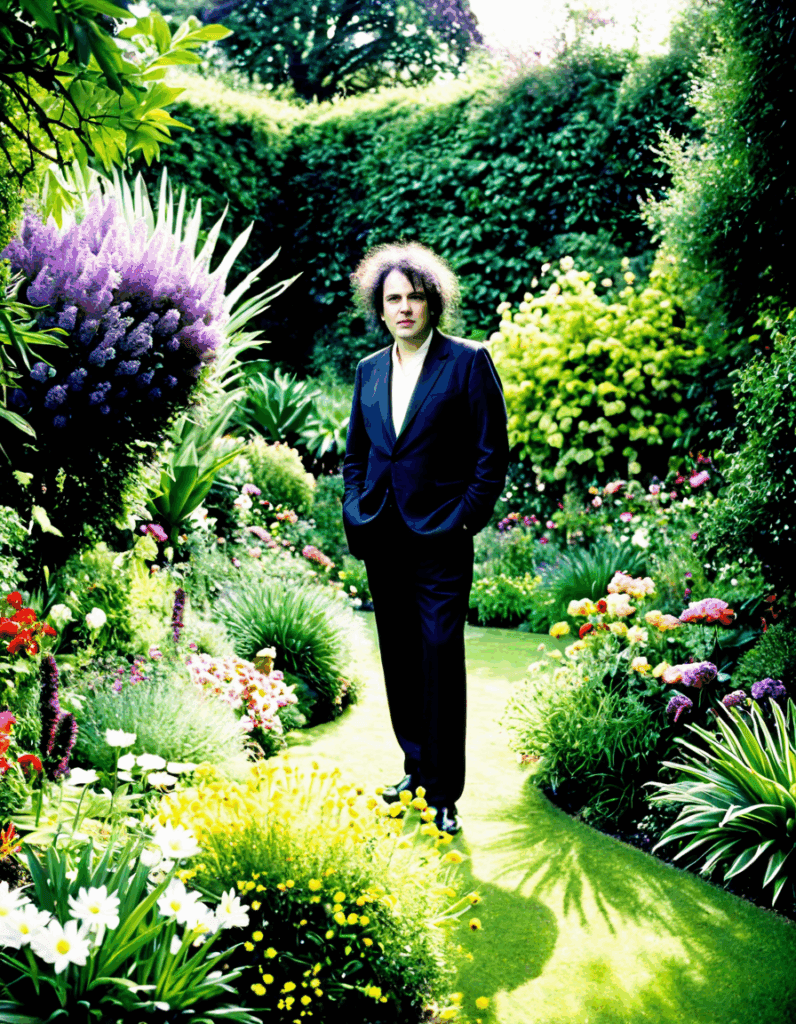
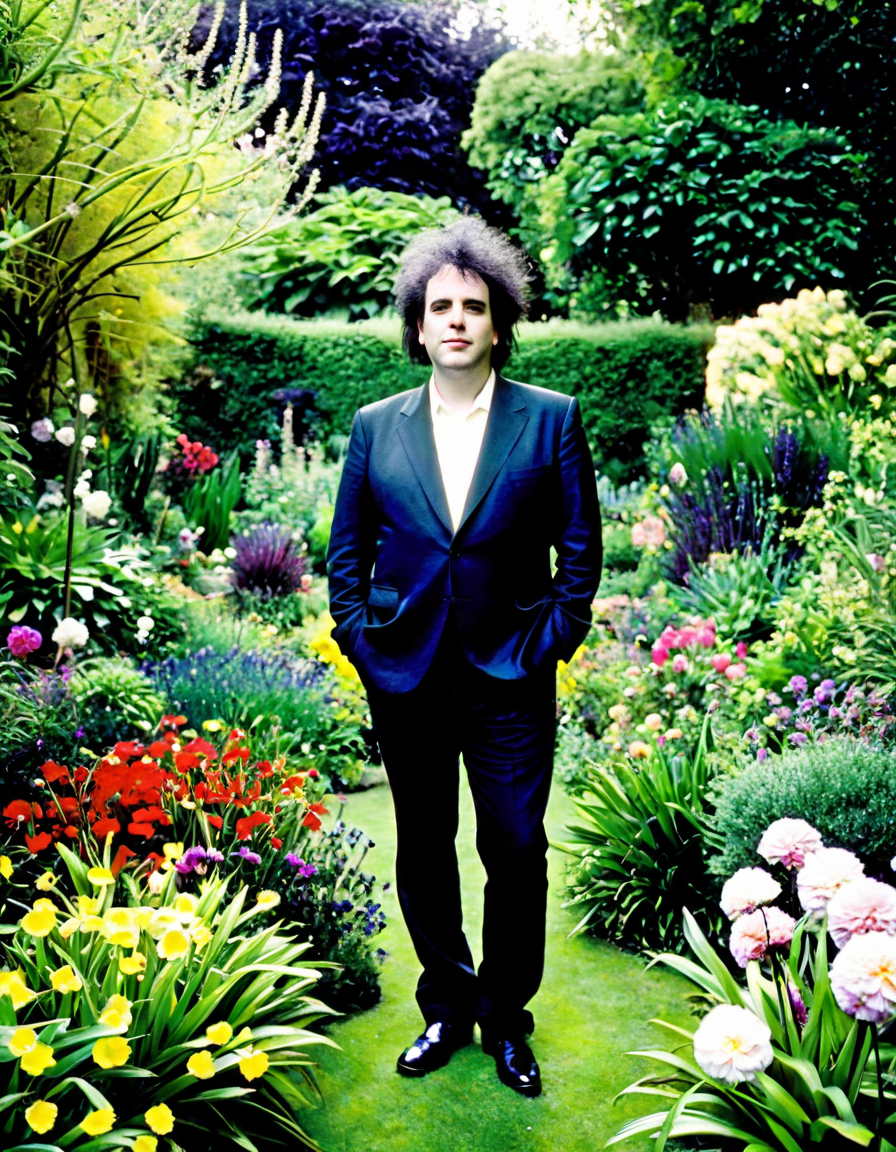
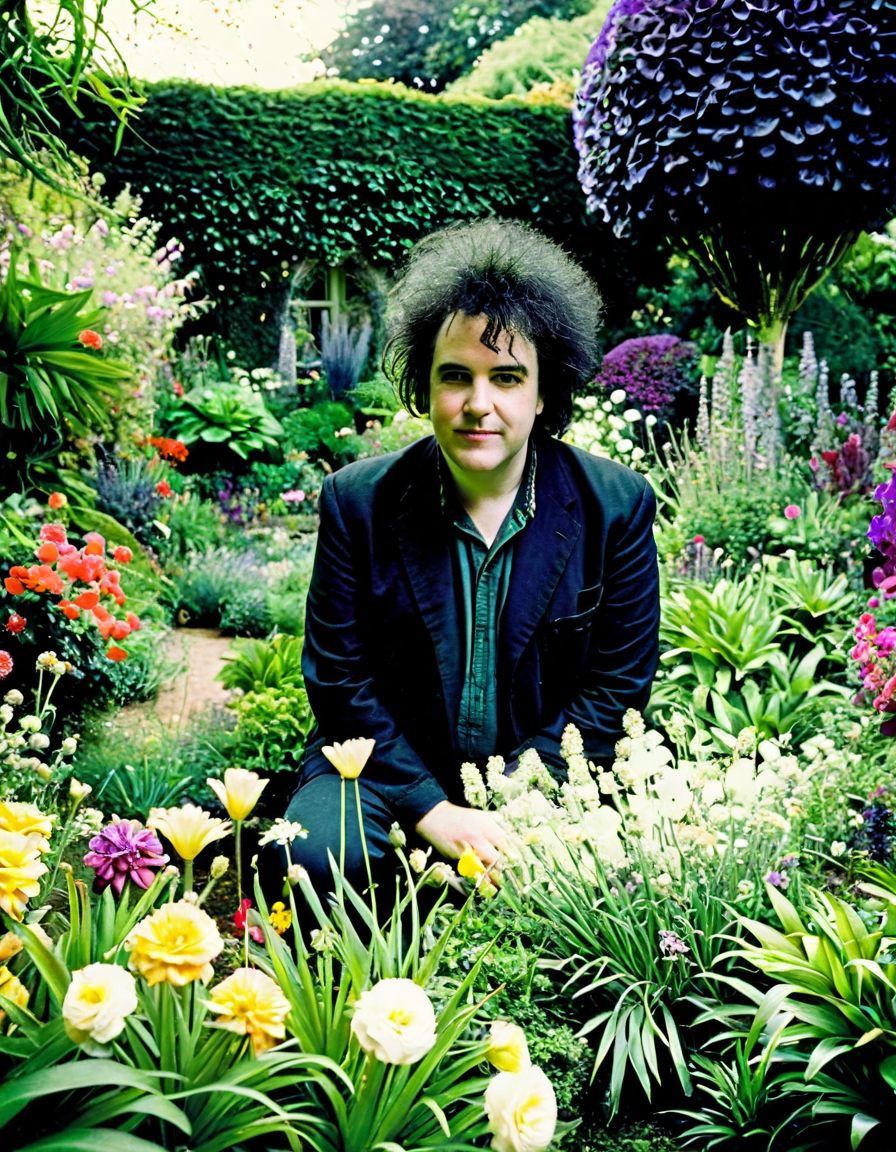
Did you ever think that Robert Smith might dabble in acting? Well, in the late ’90s, he made a cameo in a film starring Jason Biggs-what( a mix! Just think of it: the brooding frontman of The Cure gracing the big screen. Speaking of mix, the band has even collaborated with various genres over the years, proving how diverse their musical influence can be. And let’s not forget about his odd fascination with gardens; Smith once mentioned his love for the tranquility offered in spaces like the Oriental garden, which reflects just how multifaceted he is as both an artist and a person.
So, what’s the bottom line? Robert Smith isn’t just about music; he’s a whole vibe, blending the arts with a flair that resonates with many fans. Whether he’s belting out tunes or just hanging out backstage, he’s consistently left an indelible mark. It’s safe to say that Smith’s journey in music has been anything but ordinary, and as he continues to evolve, fans can always keep an eye out for what’s next. Oh, and remember-don’t judge an artist too quickly, like the often-controversial Judge Jeanine; instead, take a moment to experience their artistry firsthand!
This article was produced with AI assistance. How Loaded Video uses AI.
Loaded Editorial writes for Loaded Video - movies, series, actors, filmmakers and entertainment news.