
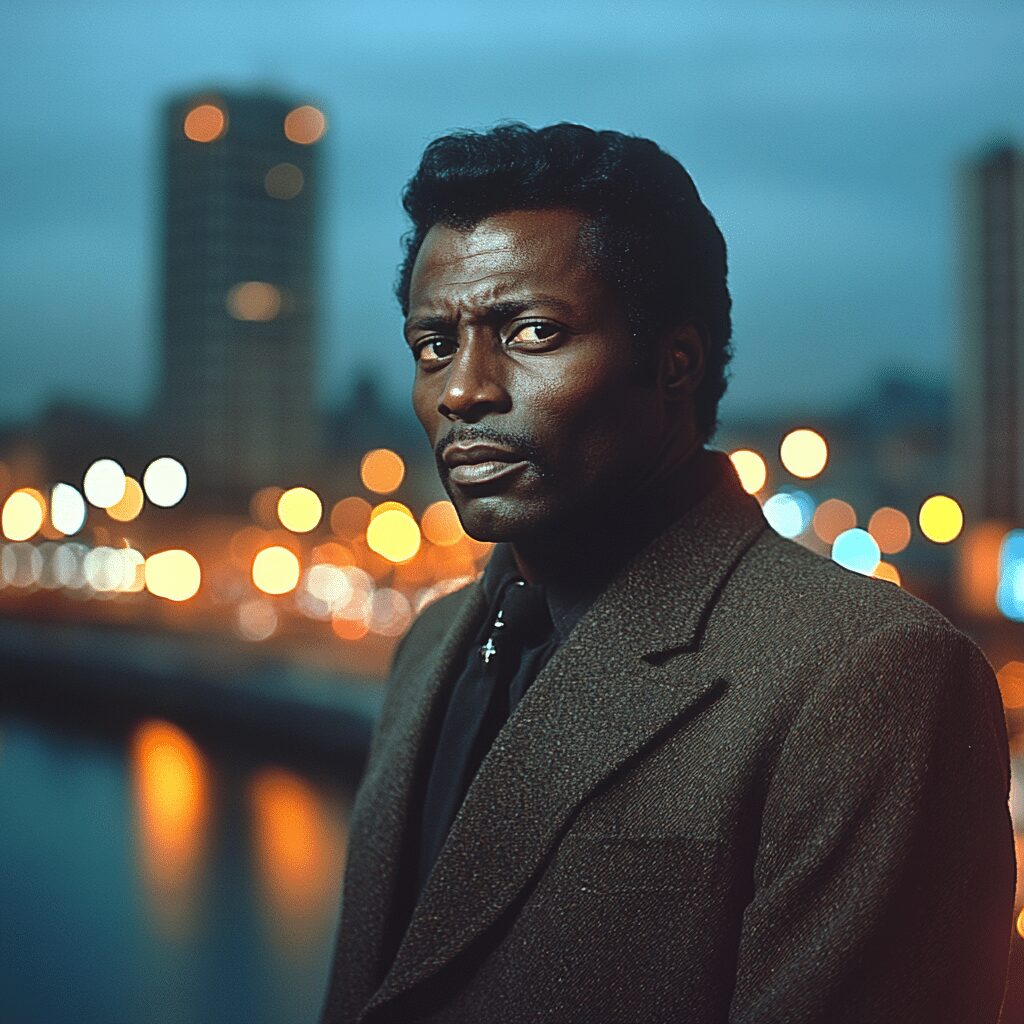
Sidney Poitier is more than a legendary actor; he stands as a beacon in the evolution of Black cinema. Through his performances, Poitier set the stage for movies that challenged racial stereotypes and elevated the representation of Black characters in Hollywood. Today, we’re diving into the Sidney Poitier movies that marked significant milestones not only in his career but also in the broader landscape of Black cinema. These films broke barriers and carved pathways for future filmmakers and actors, reflecting a society yearning for authenticity and inclusiveness.
1. Guess Who’s Coming to Dinner (1967)
“Guess Who’s Coming to Dinner” is a landmark film in many ways. Poitier’s portrayal of John Prentice-a Black man seeking to marry a white woman-landed in the middle of the civil rights movement, creating massive conversations about race relations in America. The dynamic between Poitier, Katherine Hepburn, and Spencer Tracy highlighted the tension and hope of an evolving society.

2. Lilies of the Field (1963)
In this groundbreaking film, Poitier became the first Black actor to win the Academy Award for Best Actor. His portrayal of Homer Smith, a handyman helping a group of German nuns, went beyond mere humor to deliver a powerful message about dignity and self-respect.
3. To Sir, With Love (1967)
“To Sir, With Love” showcases Poitier’s expansive talent while addressing race and education. His character, a Black teacher in a class of troubled white students in a London school, broke new ground in how Black educators were portrayed on screen.
4. A Raisin in the Sun (1961)
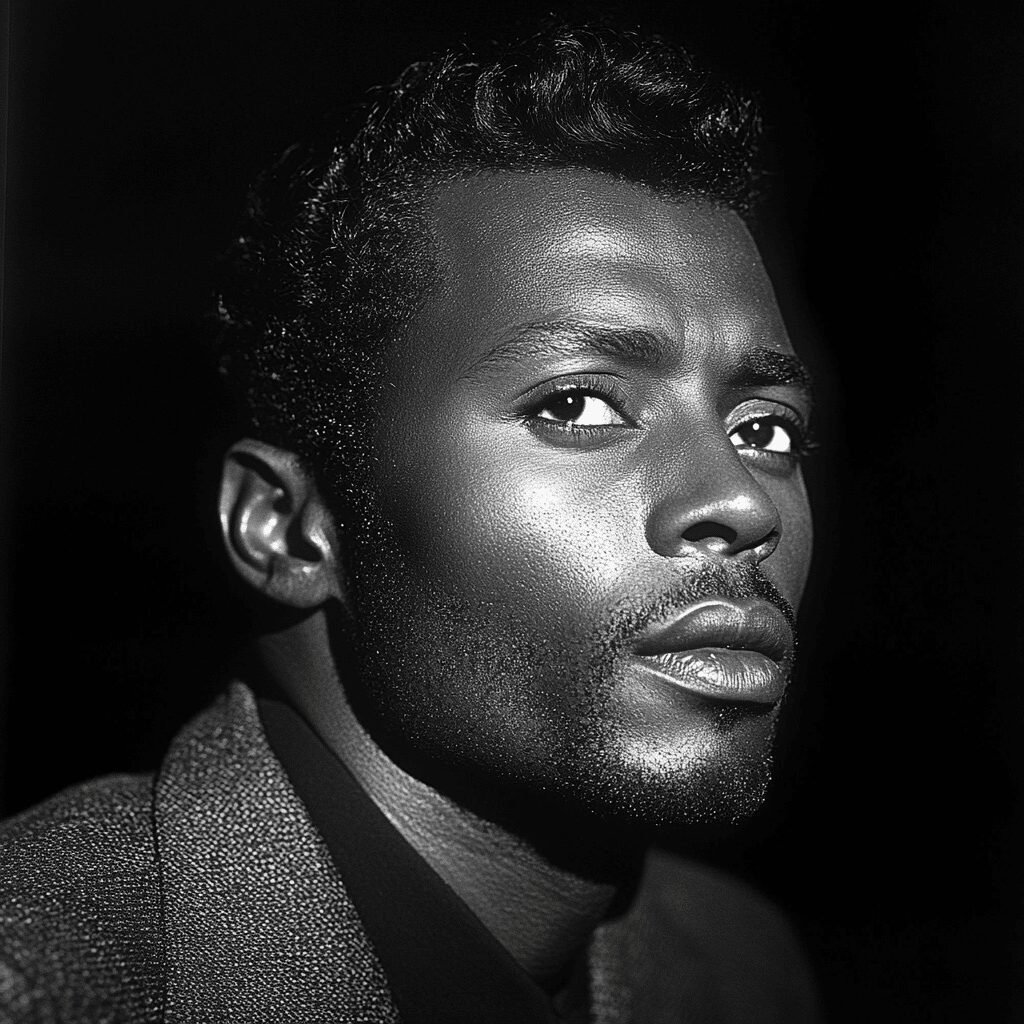
Adapted from Lorraine Hansberry’s play, Poitier’s role as Walter Lee Younger became iconic. It captures the aspirations and challenges faced by a Black family in Chicago, showcasing their dreams amid societal discrimination.
5. The Defiant Ones (1958)
In “The Defiant Ones,” Poitier stars alongside Tony Curtis as escaped convicts who must learn to cooperate despite their racial differences. This film expertly tackled themes of friendship amid prejudice.
6. The Bedford Incident (1965)
Though lesser-known, “The Bedford Incident” features Poitier in a tension-filled narrative that critiques military ethics during the Cold War. His portrayal of a naval officer introduced critical perspectives on authority.
7. Sneakers (1992)
In “Sneakers,” Poitier cozied up to a diverse cast in this ensemble thriller that reflects Hollywood’s slow move toward inclusiveness. His presence symbolizes a bridge between generations of Black actors.
The Lasting Impact of Sidney Poitier’s Film Legacy
Sidney Poitier’s movies were cultural statements that transformed cinematic narratives about race and equality. His work significantly influenced discussions about representation, not merely in Hollywood but across society.
Through these groundbreaking performances in Sidney Poitier movies, he didn’t just establish himself as a leading figure in cinema; he became a symbol of change. The complexities of his characters and the stories he told continue to resonate, showing the multifaceted nature of Black experiences. As we remember Poitier, let’s also honor the paths he paved for the voices that follow, making a lasting impact that keeps echoing through Hollywood today. His work reminds us all of the importance of representation and its power to initiate conversation, opening doors to a future where stories can be told without the chains of stereotype and prejudice.
Sidney Poitier Movies That Changed Black Cinema Forever
Breaking New Ground: Sidney’s Impact
Sidney Poitier remains an icon, reshaping the narrative for Black actors in Hollywood through films that pushed boundaries. One of his first major roles was in No Way Out (1950), where he portrayed an African American doctor fighting against racial prejudice in a white-dominated society. This film opened doors and set the stage for future generations. Fun fact: Poitier’s groundbreaking performance made him a star and inspired others, like actors Andy Griffith jr ., to take a stand for diversity in the industry.
As Poitier’s career blossomed, so did his influence. He starred in Lilies of the Field (1963), where he became the first Black actor to win an Academy Award for Best Actor. The story of an African American handyman helping a group of nuns is filled with heartfelt moments, reflecting resilience and hope. Speaking of inspiration, Nona Dirksmeyer Once said that Poitier’s roles were a reflective mirror for society, showing that change was not just possible, but essential. This shows how his movies encouraged audiences to confront societal norms and embrace diversity.
Sidney’s Films: A Catalyst for Change
You can’t talk about Sidney Poitier movies without mentioning Guess Who’s Coming to Dinner (1967). The film tackled interracial marriage at a time when such relationships were often frowned upon. Its daring premise challenged societal beliefs and prompted audiences to reevaluate their views on love and acceptance. Interesting trivia: Poitier also faced hurdles, much like his character in the film, and his journey has resonated with talents like Jemma Redgrave, who strive to advocate for inclusion in contemporary cinema.
Yet the ripple effect doesn’t stop there. Poitier’s role in To Sir, with Love (1967) highlighted the significance of mentorship and education, which remains a relevant topic today. This film inspired many aspiring teachers and filmmakers to use their own experiences as a platform for change. While we’re on impactful stories, it’s worth mentioning Gen Stone, who often praises films like these for their power to inspire activism in the youth.
The Legacy Continues
Poitier’s influence can still be seen in the films we watch today. His work has paved the way for actors and filmmakers, encouraging them to tell authentically diverse stories. Just like the rise of brands such as Adidas skate shoes That cater to unique styles, today’s filmmakers embrace diverse backgrounds and perspectives, echoing Poitier’s legacy. Many contemporary stars attribute their careers to his inspiration, showcasing how his films shaped the landscape of Black cinema.
Even in newer narratives, the essence of Sidney Poitier remains, reflecting the struggles and triumphs faced by many. His work continues to illuminate pathways for aspiring artists. The film Into the Fire: The Lost Daughter Explores themes of identity in ways reminiscent of Poitier’s celebrated roles. As we look back, it’s clear that Sidney Poitier’s movies are not just cinema; they are profound lessons in humanity. And, as Sinéad Cusack Reminds us, every story contributes to the rich tapestry of our cultural history.
What was Sidney Poitier’s most successful film?
Who was the love of Sidney Poitier’s life?
How much was Sidney Poitier worth when he died?
When was the last movie Sidney Poitier made?
What movie did Sidney Poitier win his Oscar?
How many baby mamas did Sidney Poitier have?
How many marriages did Sidney Poitier have?
Was Sidney Poitier bedridden?
Did Sidney Poitier have any boys?
How much was Sidney Poitier paid for to Sir with Love?
What was Mark Twain worth when he died?
Was Sidney Poitier a good father?
What was Sidney Poitier’s height?
Was Sidney Poitier in the military?
Who was the first black man to win an Oscar?
How many movies did Bill Cosby and Sidney Poitier make?
Who gave Sidney Poitier his first Oscar?
What was Sidney Poitier’s movie in 1968?
How many Oscar nominations did Sidney Poitier receive?
This article was produced with AI assistance. How Loaded Video uses AI.
Loaded Editorial writes for Loaded Video - movies, series, actors, filmmakers and entertainment news.