The lore surrounding skinwalkers is more than just folklore; it delves into profound human fears and societal issues. These entities from Navajo tradition evoke feelings of death, identity crises, and a desperate call for cultural respect. With these themes deeply embedded in our psyche, let’s dig into the haunting truth behind skinwalkers, exploring the psychological, anthropological, and cinematic reflections they inspire.
The Top 7 Fascinating Facts About Skinwalkers and Their Cultural Impact
1. Cultural Origins and the Navajo Perspective
Skinwalkers, or Yee naaldlooshii In Navajo, embody the dark side of witchcraft. They are believed to be malevolent witches who can shape-shift into various animals, serving as warnings about the dangers of betrayal and the twisting of one’s spirit. Understanding this belief sheds light on modern fears of power and corruption, reflecting our present struggles with trust and authenticity.
The cultural taboos surrounding skinwalkers reinforce deep societal values-promoting respect for the natural and supernatural worlds. These traditions also highlight the precariousness of identity, reminding us that at any moment, we might lose touch with who we are. As skinwalkers persist in modern narratives, they serve as a vessel for exploring our own fears and aspirations.
2. The Parallel with ‘Walking Dead’ Themes
The skinwalker myth resonates eerily with themes found in The Walking Dead. Characters in this popular series grapple with their identities as they are thrust into a world of chaos and transformation. Just like the skinwalkers symbolize the loss of humanity in the face of unchecked desire for power, the survivors of zombies confront their own monstrous transformations.
This parallel encourages viewers to reflect on who they are beneath the surface while navigating a world stripped of societal norms. Both tales emphasize that the real monsters often lie within ourselves-an unsettling thought that taps into our deepest anxieties. It’s this relationship between humanity and monstrosity that captivates the audience and keeps stories like these fresh and intriguing.
3. Skinwalkers in Pop Culture: From ‘Dead Poets Society’ to Indie Films
Over time, skinwalkers have moved from traditional tales into contemporary narratives, appearing in films such as Skinwalkers (2006), which interpret the legendary figure through a modern lens. In addition, indie films are exploring this theme with renewed focus, contributing to a cultural conversation about identity and belonging. Unique comparisons appear when looking at Dead Poets Society, where characters confront societal expectations while chasing personal truth.
The intertwining of skinwalkers in diverse cinematic contexts creates a fascinating tapestry of stories that both honor the lore and provide fresh narratives. In this way, modern filmmakers tap into the rich history behind these myths, presenting them as cautionary tales relevant to today’s audience. Here, the skinwalker morphs from a simple icon of fear to a canvas for examining the human experience.
4. Skinwalkers and the ‘All American Rejects’ of Folklore
One often-overlooked connection lies between skinwalkers and cultural disenfranchisement-similar themes resonate in music. The band All American Rejects Echoes feelings of alienation and identity crisis in their lyrics, reminiscent of the skinwalker’s plight. Just like skinwalkers, the band often speaks to the struggles of those shunned by society, capturing the shared battle between internal and external expectations in their evocative songs.
This musical exploration can lend a contemporary voice to ancient stories, allowing listeners to find meaning in their own lives. By addressing feelings of outcast status, these artists resonate with the age-old themes of identity conflict seen within skinwalker folklore. The melodies connect the listener to a deeper understanding of self, reminding us that we are never alone in our struggles.
5. Modern Sightings and Psychological Implications
In the digital age, stories of skinwalker sightings have surged through social media, as people share their personal encounters. These narratives often reveal underlying psychological fears about loss of control and shifting realities, both of which are central themes in the spooky folklore. The lure of skinwalkers cuts to the heart of human vulnerability, forcing us to confront the unknown lurking in the shadows.
Many who recount their experiences do so not just as chilling tales but as reflections on their own fears and anxieties regarding what lies beneath our surfaces. It illustrates how such legends shape our understanding of existence, reminding us that fear is a shared human experience. In this way, skinwalkers resonate with audiences today just as they did centuries ago.
6. The Walking Dead Cast: Exploring Human vs. Monster Dichotomy
Characters in The Walking Dead, particularly Rick Grimes and Negan, vividly illustrate the human versus monster struggle, much like the skinwalkers do. As they traverse a decaying world, the lines between hero and villain blur, mirroring the transformative nature of skinwalkers in Navajo mythology.
The moral complexities faced by these figures echo the deeper theme of how extreme conditions expose our true nature. The audience is left questioning what it means to be human in the face of adversity. It’s an intense exploration of identity that speaks volumes about our innate fears of becoming what we fear-a true hallmark of engaging storytelling.
7. Indie Filmmaking: Shedding Light on Skinwalker Myths
In recent years, indie filmmakers have made strides in examining skinwalker myths, bringing to life stories enriched with cultural authenticity. Projects like The Unseen Focus on characters wrestling with the implications of skinwalker folklore, offering gritty realism that highlights the necessity for genuine representation. These indie films become platforms for Native filmmakers to redefine the narrative surrounding skinwalkers and give voice to a broader spectrum of experiences.
This trend sparks essential conversations about cultural respect and the responsibility of telling indigenous stories. By showcasing skinwalkers through this lens, filmmakers elevate these ancient tales, inviting audiences to engage with their deeper meanings. The indie film community demonstrates that honoring the past can lead to richer storytelling that speaks to today’s cultural landscape.
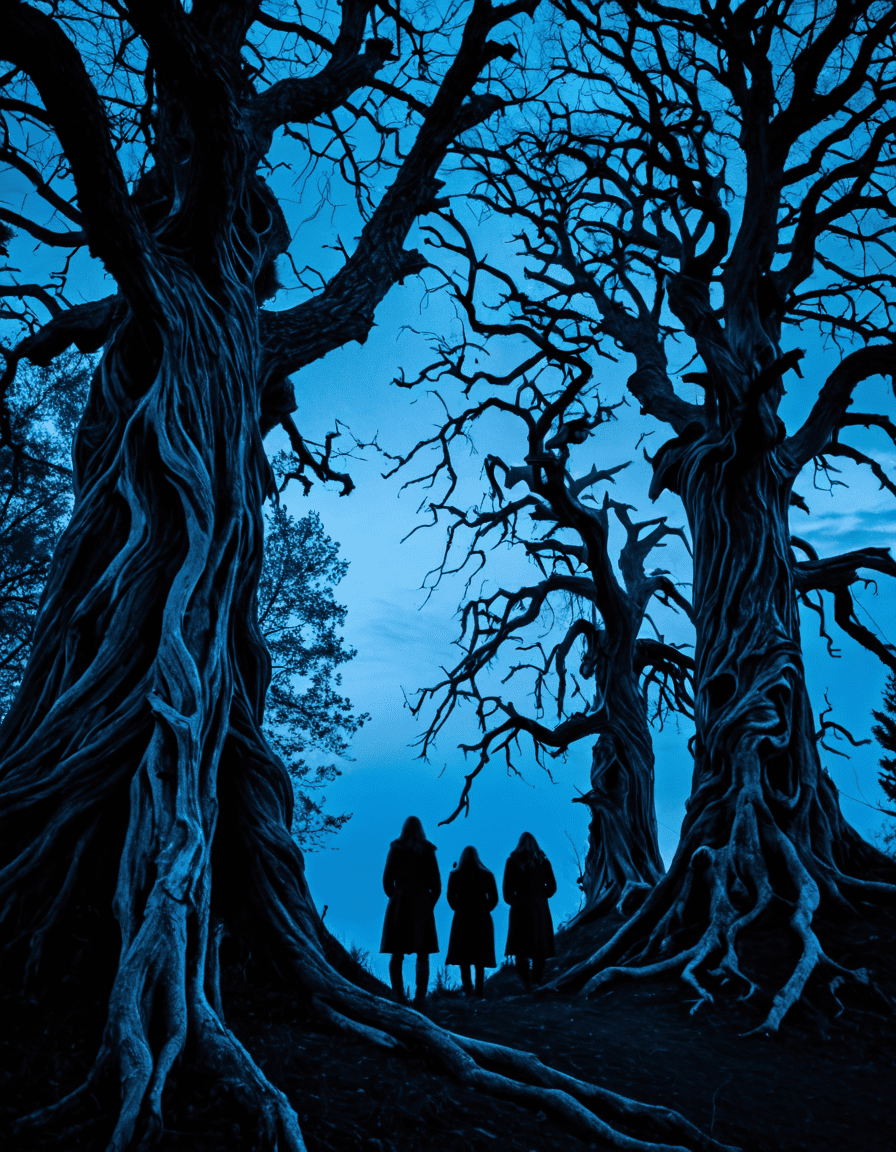
A Haunting Legacy: The Enduring Myth of Skinwalkers
Ultimately, skinwalkers serve as a lens through which we can better understand identity, fear, and societal growth. These legendary beings bridge ancient tales and contemporary culture, compelling us to confront not just our fears but our shared humanity. As we unravel the haunting truths behind skinwalkers, we discover that they resonate today more than ever.
Their myths compel us to explore who we are amid the chaos of modern dilemmas. The narratives centered on skinwalkers remind us to approach identity with respect and critical thought. So, while skinwalkers may haunt our imaginations, they also serve as catalysts for delving into the intricate tapestry of our lives and the monsters we fear-whether real or symbolic.
This layered exploration underscores the need to protect and respect the narratives of cultures worldwide, reminding us that each story is a thread in the vast fabric of human experience. Ultimately, the skinwalker legend transcends mere folklore; it speaks to timeless human conditions and truths we all grapple with in our journey towards self-discovery.
Skinwalkers: The Haunting Truth Behind This Mythical Being
Legends and Lore
Skinwalkers have deep roots in Navajo culture and folklore, often depicted as witches who can shapeshift into animals. This eerie myth has sparked curiosity amongst many, becoming a favorite among horror enthusiasts and film creators. Just look at how stories of mythical beings often influence modern storytelling, much like the chilling tone found in indie films such as Pretty Little Things. The fascination surrounding skinwalkers relates to humanity’s timeless intrigue with the supernatural, akin to how figures like Robert F. Kennedy captured public imagination in their times.
A Cultural Phenomenon
Interestingly, the concept of skinwalkers has rippled through various forms of media, from documentaries to horror movies. It’s not uncommon to find references that serve both to entertain and explore. For instance, the sinister atmosphere portrayed in films can remind audiences of a gripping series like Batman: Caped Crusader. Key characteristics of skinwalkers, such as their ability to blend in and manipulate their surroundings, hint at themes explored in popular culture.
Additionally, the flexibility of skinwalker legends allows them to flourish-just as Blue PitbullS have gained recognition for their unique appeal, skinwalkers captivate because of the thrilling blend of fear and mystery. This raises an interesting point-much like the deliciously anticipated flavors of Girl Scout cookies 2025, what does folklore tell us about the fears and values of the societies that create it?
Ghost Stories and Beyond
Moreover, skinwalkers have become a crucial part of ghost stories, frequently shared around campfires and community gatherings. These tales have a life of their own, adaptable to regional differences while still staying true to their haunting essence. Some might say the storytelling prowess reflects the creativity seen in Chicano Drawings, where artists narrate their experiences and cultural background through vivid artistry.
Even anime fans aren’t excluded from the skinwalker phenomena, as the narrative techniques found in series like Ninja Kamui Can evoke eerily familiar themes. As these legends continue to evolve, who knows what shape the next interpretation will take? After all, they remind us of the lost and changing perspectives that have defined humanity’s storytelling journey, not unlike the captivating narratives found in beloved classics like Jurassic: The Park. Keep an ear out; you never know when a new skinwalker story might emerge!
This article was produced with AI assistance. How Loaded Video uses AI.
Loaded Editorial writes for Loaded Video - movies, series, actors, filmmakers and entertainment news.