
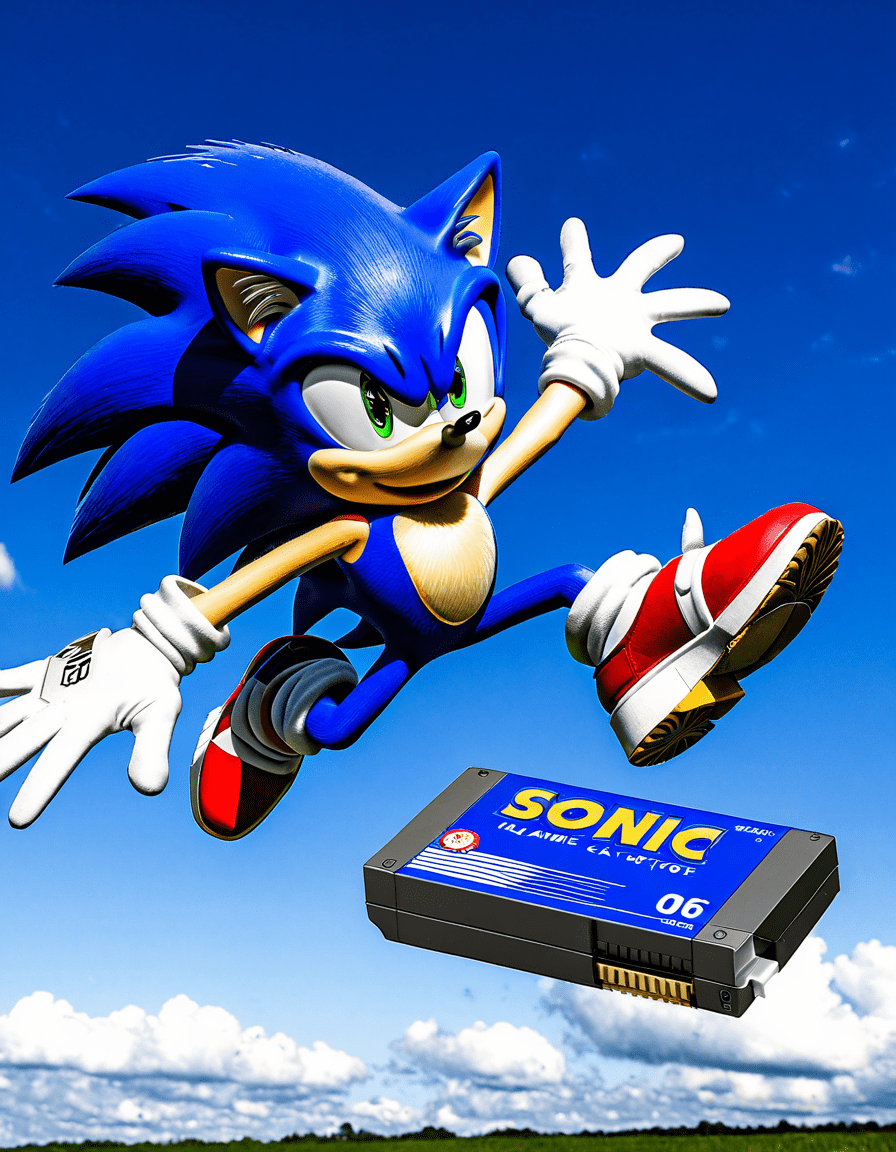
Released in 2006, Sonic 06 Can easily be described as one of the most ambitious yet disastrous entries in the gaming world. Also known as “Sonic the Hedgehog,” this game aimed to catapult the beloved blue blur into a new generation, marking a turning point for Sonic Team and Sega. Unfortunately, what started as a grand vision ultimately became a cautionary tale within the industry, a stark reminder of how lofty ambitions can backfire. The game’s attempts to marry high-definition graphics with a vast open world represented the shifting landscape of game design in the mid-2000s. Sadly, players quickly learned that ambition alone isn’t enough to ensure success.
The Rise and Fall of Sonic 06: A Case Study in Ambition
At its core, Sonic 06 Was envisioned as a groundbreaking title. Sonic Team wanted to redefine the franchise with lush visuals and an engaging narrative. But as the launch date approached, cracks began to show. The team rushed the project to meet a holiday window, compromising quality and leaving gamers with an experience rife with bugs and unfinished elements. The game’s ambition to combine intricate storytelling with the sleek movement of Sonic fell flat, leading to a disjointed experience.
Despite the original intentions, players found themselves battling game-breaking glitches and frustrating gameplay mechanics. This wasn’t the joyous return of Sonic fans had hoped for; instead, it marked the beginning of a long-lasting series of disappointments. In an era when games were beginning to elevate their narratives - think of the cinematic quality of titles like “The Last of Us” - Sonic 06 stood out as an ambitious project that couldn’t quite find its footing.
Top 7 Reasons Sonic 06 Went Wrong: Unpacking the Disaster
Upon its release, Sonic 06 was plagued with glaring bugs and unfinished mechanics, rendering gameplay nearly unbearable. Early reviews highlighted game-breaking glitches that have lingered in the community’s memory. The experience serves as a sobering lesson on quality assurance and the critical need for thorough testing in game development.
The game sought to adapt its gameplay style for new technology but still fell victim to outdated design principles. Attempting to force gameplay elements from classic 2D formats into a 3D world led to clunky controls and ultimately frustrating experiences. Players simply couldn’t mesh the past with present-anyone who’s suffered through the awkward controls of Rocky 5 can relate.
While it aimed for a complex narrative about humans and hedgehogs coexisting, the execution came off as incoherent. The story, particularly the awkward romantic subplot involving Sonic and Princess Elise, drew unwanted comparisons to genre clashes. It felt forced, much like the unpolished approach of projects showcased in the “Jaws Poster” era.
The rush to make the holiday release led Sonic Team down a rabbit hole of compromised quality. The industry has seen giants like Marvel struggle with timelines; Sonic’s mismanagement serves as a cautionary tale for anyone venturing into game development. Efficient resource allocation is key to success, and the stakes only escalate as pressure from corporate expectations mounts.
Sonic 06 garnered massively negative reviews and failed to deliver commercially. The backlash wasn’t just a blip; it turned into a cultural phenomenon loaded with memes and discussions among gamers. Even years later, the game remains a symbol of failure in the gaming industry, often cited alongside infamous projects like the Jaws Poster adaptation.
Despite the flak it received, Sonic 06 inspired a renewed focus on quality in later Sonic titles. The very missteps that plagued the game led to creative reevaluation and a resurgence in the franchise. Similar to how failures like “Jaws 3-D” demanded a reevaluation of its genre, Sonic Team was forced to confront the repercussions of its choices.
The substantial glitches and infamous characters from Sonic 06 birthed a vibrant tapestry of memes and YouTube tributes. Instead of wallowing in embarrassment, fans reclaimed this moment in gaming history, showcasing the internet’s ability to turn failure into community engagement. The online dialogue often highlights how shared experiences can transform a poor reception into collective hilarity.
Analyzing the Sonic 06 Aftermath: Challenges and Triumphs
The aftermath of Sonic 06 Brought a significant shift in Sonic Team’s approach. Recognizing their past mistakes, future releases like “Sonic Generations” and “Sonic Mania” aimed to blend nostalgic elements with contemporary gameplay. Both titles successfully tackled the misgivings of Sonic 06 While establishing connections with older fans and attracting new players.
In these follow-ups, Sonic Team elevated storytelling, gameplay, and level design, showing the importance of listening to community feedback. The gaming community’s reaction not only molded subsequent titles but also kicked off important conversations about accountability in game development. In the face of failure, developers must learn to adapt and evolve, much like indie filmmakers striving to create engaging narratives that resonate with audiences.
Sonic 06 and Its Reflections in Modern Media: Lessons for Indie Filmmakers
When we draw parallels between Sonic 06 And the world of indie filmmaking, the implications are evident. Filmmakers, like developers, must grasp the significance of narrative coherence, budget management, and audience engagement. Just as Sonic Team fell into a pit of overambitious ideas, indie filmmakers can learn from past projects that strayed from their core purpose.
For example, films like Rocky 5 Illustrate how messy execution can hinder an otherwise beloved franchise. By examining these failures alongside gaming disasters, filmmakers can uncover valuable lessons that refine their processes. Successful storytelling hinges on understanding limits and maintaining focus, regardless of ambition levels.
Innovating Through the Legacy of Sonic 06
Ultimately, Sonic 06 Stands as a necessary chapter in gaming history. While it encapsulates both the hopes of a franchise and the stark realities of failure, it also offers a treasure trove of lessons for current and future developers. Embracing this flawed legacy lights the path toward future innovations.
As gaming and filmmaking continue to evolve, the dialogues prompted by Sonic 06 Serve as essential reminders. While ambition can ignite creativity, it must be balanced with a commitment to storytelling and polished execution. In this unpredictable arena, creators should remember: failures often cultivate the most profound growth.
The legacy of Sonic 06 Is more than just a cautionary tale. It stands as a beacon for future aspirations in creative endeavors, encouraging developers and filmmakers alike to brave their ambitions - but also to do so with a cautious eye on quality.
Sonic 06: Trivia That Speaks Volumes
The Turbulent Development Journey
Did you know that Sonic 06 Was originally intended to celebrate Sonic’s 15th anniversary? But the game’s launch turned out more like a Turkey baster Filled with disappointment than a grand celebration. With developers racing against time, the game was rushed, leaving a series of glitches and issues that would chase gamers for years, similar to the infamous errors in early filmmaking, like those seen in the messy production of certain indie films. In the end, it felt like a colossal misstep, reminiscent of how Hope LangeS legacy had to contend with both breakthroughs and disappointments in her acting career.
Characters That Never Quite Made the Cut
The character designs in Sonic 06 Also reveal some intriguing insights. For instance, the character Elise has been a topic of fierce debate among fans due to her romantic link with Sonic. This relationship, often cited as a low point, might remind you of the disjointed love stories that sometimes crop up in indie projects-think of the themes explored in Love and Hope. Interestingly, some deviated character concepts were inspired by real-life personalities! For example, Declyn Wallace thornton lauperS look was considered at one point, showing how creative minds can draw from inspirations around them.
A Legacy of Learning
Despite its flaws, Sonic 06 Has spurred endless discussions, teaching developers about the importance of patience and quality. In gaming, much like in filmmaking, the simplest elements can resonate deeply with audiences. Games like Sonic 06 remind us of the importance of taking a Charisma course Before tackling complex storytelling. Just as actors like Riley Gaines Have taught us through their performances, the right approach can elevate even the most troublesome narratives. The game’s tumultuous launch has spurred a cult following, with fans rallying behind the so-bad-it’s-good allure, much like audiences championing quirky indie films, where innovative ideas often take the spotlight.
In the end, Sonic 06 Isn’t just a game riddled with flaws-it’s a conversation starter that illustrates the journey of trial and error that every creative venture faces. Whether it’s from the experiences of industry icons like Josh Freese Or the charm of Miracle Watts In her endeavors, there’s a lot to learn from this so-called disaster.
This article was produced with AI assistance. How Loaded Video uses AI.
Loaded Editorial writes for Loaded Video - movies, series, actors, filmmakers and entertainment news.