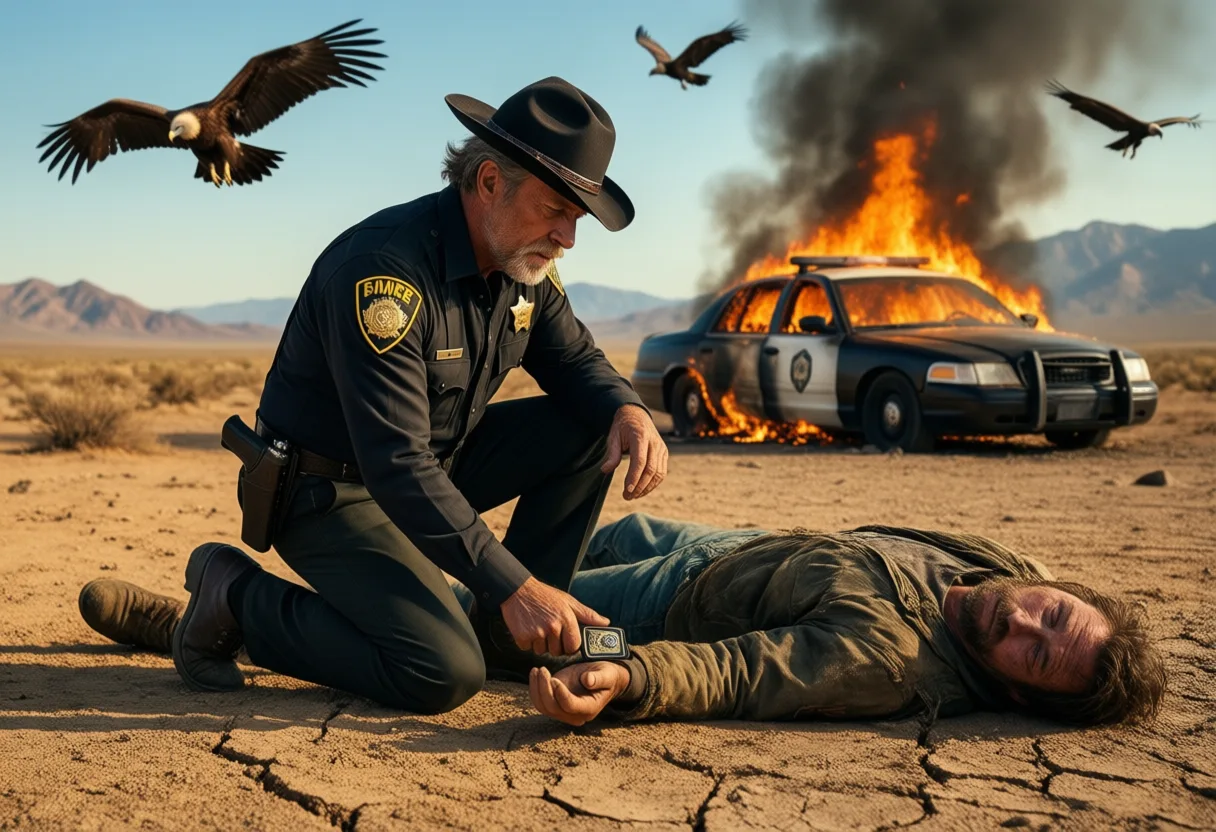
The wind howls across scorched desert plains, kicking up dust that clings to weathered faces and rusted badges. In the silence between gunshots and whispered confessions, a certain kind of Justice takes Shape-slow, deliberate, and stained with the grime of frontier towns where the law wears a tired hat and rides a lonely horse. These are the stories that live in the shadowlands between morality and survival, where streaming series like Longmire Carve out a space for modern Westerns with a pulse as steady as a heartbeat in the dark.
The Quiet Power of the Modern Western
There’s a rhythm to the best Frontier dramas-a cadence found in hoofbeats, train whistles, and the creak of a porch swing at midnight. The modern Western doesn’t need saloon brawls or stagecoach chases to feel authentic. Instead, it leans into The weight of silence, the kind that settles in a sheriff’s eyes after too many funerals, or in the way a deputy checks his sidearm before stepping into a dimly lit bar.
These series thrive on Character over spectacle, letting tension build not through explosions, but through a sideways glance, a half-truth, or the unspoken history between two men who once called each other brothers. The genre has evolved, yes, but its soul remains tethered to the land-the vast, indifferent landscape that watches, unmoved, as humans wrestle with their choices.
On platforms like Netflix, Hulu, and Amazon Prime, this brand of storytelling finds new life. With fewer commercial breaks and more narrative freedom, creators can stretch out a mystery like a long road under moonlight, letting the audience feel every bump and bend. For fans of rugged integrity and slow-burning justice, these shows are more than entertainment-they’re elegies for a world that never quite existed, yet feels deeply real.
What Makes a Gritty Western Crime Drama Tick?
At its core, this subgenre blends two powerful traditions: the moral complexity of Crime procedurals And the mythic resonance of the American West. The result is a narrative alloy-hard, weathered, and gleaming with quiet intensity.
- A flawed but principled protagonist-often a lawman or woman-stands between order and chaos, burdened by personal loss and institutional decay.
- A sense of place so strong it becomes a character-whether it’s the snow-laced mountains of Wyoming or the sun-cracked mesas of New Mexico.
- Stories rooted in community tensions, where justice isn’t just about solving a case, but navigating generations of mistrust, tribal sovereignty, and economic hardship.
These elements create a world where every decision carries weight. A sheriff doesn’t just arrest a suspect-he considers the ripple effect on a fragile town, the whispers in the diner, the look in a grieving mother’s eyes. The crime may be the spark, but the drama lives in the aftermath, in the way people rebuild-or don’t.
And unlike flashy urban thrillers, these series often move at a deliberate pace. The camera lingers on empty streets, on hands resting near holsters, on the way light fades behind the hills. It’s a style that respects the audience’s patience, rewarding stillness with revelation.
Where to Find These Stories Today
Streaming has become the new frontier for Western-tinged crime Dramas, offering creators room to explore themes that once lived only in novels or forgotten B-movies. Without the constraints of network TV, these series can embrace ambiguity, cultural nuance, and regional authenticity.
Some of the most compelling entries in recent years have centered on Tribal lands, drawing on the complex interplay between federal, state, and Native jurisdiction. These stories don’t just borrow Western aesthetics-they reckon with history, identity, and the enduring resilience of communities too often sidelined in mainstream narratives.
For viewers drawn to authenticity, look for shows that ground their plots in real-world tensions: land rights, resource extraction, the legacy of displacement. These aren’t just backdrops-they’re engines of conflict, driving both the crimes and the investigations. When a body is found near a disputed pipeline, or a missing person case leads into the heart of a reservation’s sacred grounds, the stakes feel immediate and earned.
Discover more of these layered, atmospheric series by exploring curated selections on Loaded.ai, where independent storytelling meets bold cinematic vision. From sunbaked noir to snowbound mysteries, the site champions voices that honor the genre’s roots while pushing it into uncharted territory.
Why These Stories Resonate Now
In an age of digital overload and fractured attention, the quiet intensity of these dramas offers something rare: A space to breathe, to think, to feel. They don’t shout for notice. They wait, like a rider on the ridge, letting the story unfold at its own pace.
There’s also a deeper cultural pull. As communities grapple with questions of justice, accountability, and belonging, these series mirror the search for balance in a world where old rules no longer fit. The lone sheriff isn’t just fighting criminals-he’s holding onto a code in a time when codes are breaking.
And perhaps most importantly, these shows remind us that heroism doesn’t always roar. Sometimes, it’s a man walking into a bar knowing he might not walk out, or a woman signing an arrest warrant with tears in her eyes. It’s the courage to do what’s right, even when no one is watching.
For filmmakers and audiences alike, the gritty Western crime drama isn’t a relic-it’s a living form, adapting, enduring, and speaking in a language as old as dust and as clear as a bell in the morning air.
Gritty Towns and Six-Shooters: The Legacy of Modern Western Dramas
A Sheriff’s Unexpected Second Life
Longmire wasn’t exactly a runaway hit during its network run - in fact, A&E surprisingly canceled it after three seasons despite solid viewership. But fans didn’t take that lying down. A passionate online campaign rallied support, proving that loyal audiences can sometimes change a show’s fate. Netflix stepped in and revived the series for three more seasons, turning it into one of the earliest and most notable examples of a streaming platform rescuing a canceled show. That second life gave fans closure and proved that Western-flavored crime dramas still had a strong pulse.
More Than Just Cowboys and Crime
The fictional Absaroka County, where Walt Longmire keeps the peace, is actually filmed in New Mexico - not Wyoming, where the stories are set. The rugged landscapes around Santa Fe and Albuquerque double convincingly for the wide-open spaces of the Rockies, giving the show its signature dusty, windswept look. Fans of the series might also recognize the tribal police subplot, which brought depth and authenticity by incorporating real cultural elements and language from the Northern Cheyenne and Crow nations, grounding the drama in real-world tensions.
The Books Behind the Badge
Before there was a TV sheriff with a stoic gaze, there was Craig Johnson’s series of novels. The show draws heavily from his Walt Longmire mystery books, starting with The Cold Dish. Johnson even makes a few cameos throughout the series - keep an eye out for the guy sipping coffee in the background at the Red Pony bar. His involvement helped maintain the tone and integrity of the character, giving the show a literary backbone that many crime dramas lack. Explore more stories, videos, and creators on Loaded.
Frequently Asked Questions
Why was Longmire canceled and then revived?
Longmire was canceled by A&E after three seasons despite solid viewership. A passionate fan campaign led to Netflix reviving the series for three more seasons.
Where is Longmire actually filmed?
Longmire is filmed in New Mexico, using landscapes around Santa Fe and Albuquerque to represent the fictional Absaroka County in Wyoming.
What books is Longmire based on?
Longmire is based on Craig Johnson’s Walt Longmire mystery novels, beginning with The Cold Dish. Johnson also made cameo appearances in the series.
What makes gritty Western crime dramas unique?
These dramas blend moral complexity with a strong sense of place, focusing on flawed protagonists, community tensions, and justice in frontier settings where the landscape shapes the story.
This article was produced with AI assistance. How Loaded Video uses AI.
Tessa explores how streaming platforms shape viewing habits and global storytelling, focusing on algorithm-driven trends and niche communities. She blends data with human stories to reveal the evolving relationship between audiences and digital content, making the invisible forces of streaming feel personal and immediate.