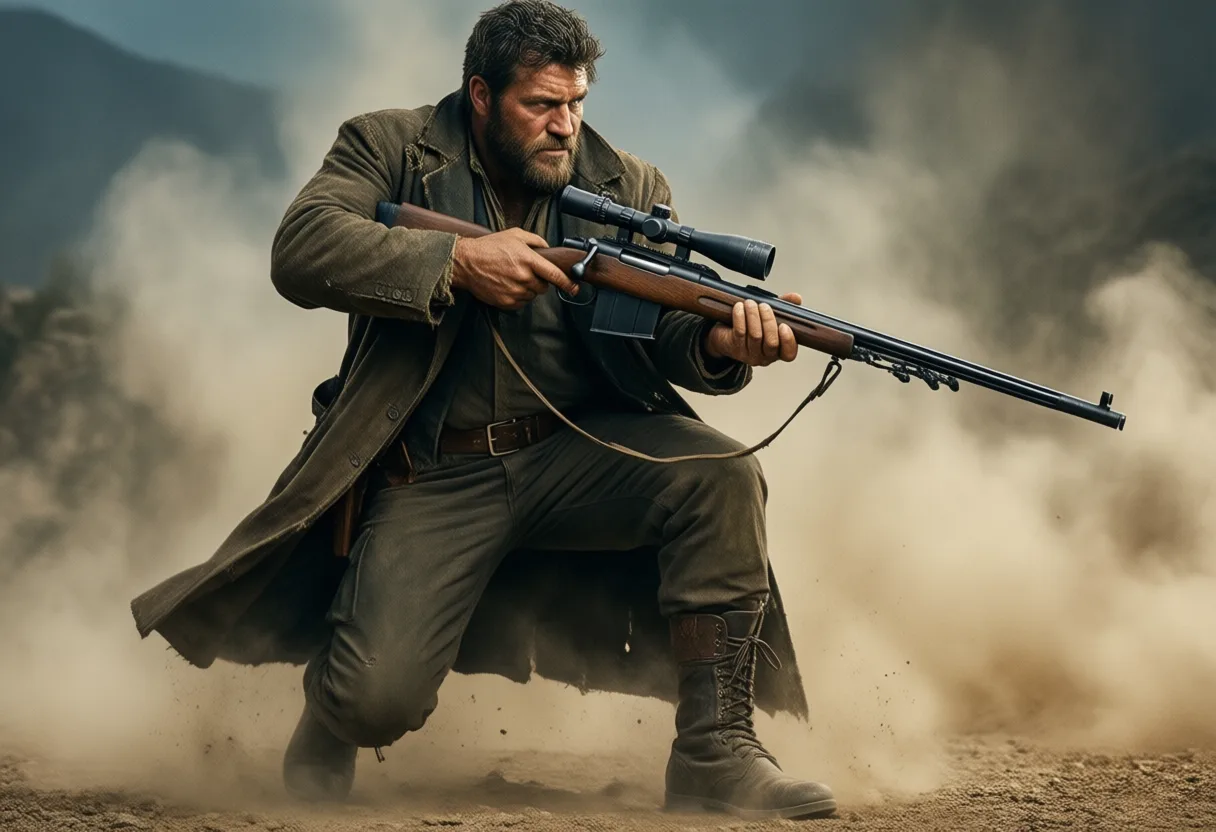
Jack Reacher Walks into a town he’s never seen, says little, watches everything. Within hours, someone’s on the ground, bones cracked, justice served. This quiet storm of precision violence and unshakable moral code has turned Reacher Into a benchmark for modern action thrillers.
Viewers aren’t just tuning in for fight scenes-they’re drawn to a rhythm few shows master: Deliberate pacing that never drags, a hero who listens more than he speaks, and stakes that feel personal, not apocalyptic. On loaded.ai, we track how these elements are reshaping what audiences expect from streamed Action-and why so many creators are studying its blueprint.
What Makes Reacher So Addictive for Action Thriller Fans?
The Allure of a Lone Wolf with a License to Fight
Jack Reacher Doesn’t report to anyone. He answers to no chain of command, carries no badge, and rarely uses a phone. His authority comes from instinct, training, and an internal compass calibrated to fairness. This freedom allows him to move through stories like a blade through water-unseen until the moment of impact.
He arrives where trouble festers, identifies the imbalance of power, and corrects it. There’s no bureaucracy slowing him down, no committee approving his next move. Autonomy is his weapon as much as his fists.
Writers lean into this by stripping away procedural clutter. No inter-agency rivalries. No political subplots gumming up the Mission. Instead, each episode tightens the focus: one man, one threat, one path to resolution. That clarity pulls viewers forward without confusion or fatigue.
The result is a narrative engine built for momentum. Every scene serves the central conflict. Every character either helps, hinders, or reveals something about Reacher himself. Nothing distracts from the core appeal-A solitary figure imposing order on chaos.
This isn’t vigilante fantasy spun wildly out of control. It’s methodical. Grounded. Each confrontation feels earned because the setup respects cause and effect. When Reacher fights, it’s never for show-it’s because every other option has been removed.
And yet, despite the brutality, there’s restraint. He doesn’t kill unless necessary. He assesses, adapts, and acts only when action becomes inevitable. That discipline makes his violence meaningful, not mindless.
Can a Gentle Giant Truly Be the Ultimate Action Hero?
Size, Strength, and the Subversion of Expectations
At first glance, Reacher seems like pure physical dominance-a mountain of muscle who solves problems by breaking them. But the show quickly flips that assumption. Yes, he’s imposing. Yes, he can dismantle a room full of armed men. But His real power lies in observation.
He reads body language like others read headlines. Notices inconsistencies in alibis within seconds. Spots surveillance patterns invisible to trained officers. His size may open doors, but his mind keeps him alive.
The series uses his stature not as a gimmick but as a contrast. People underestimate him-either writing him off as a brute or assuming intimidation alone drives his success. They learn too late that He’s always three steps ahead.
This duality fascinates audiences. He’s both weapon and strategist. A man who could crush your windpipe but chooses instead to listen to your breathing pattern. His strength is undeniable, but it’s secondary to his awareness.
Filmmakers use camera angles deliberately-low shots when he enters a room, emphasizing height, then cutting to tight close-ups during interrogations, highlighting focus. The visual language reinforces that His presence is tactical, not theatrical.
Even his stillness carries weight. While other heroes pace, shout, or gear up, Reacher often stands motionless, absorbing details. In those moments, the tension builds not from movement but from anticipation. You know something is coming-you just don’t know when.
That balance-between overwhelming force and razor-sharp intellect-is rare in mainstream action. It challenges the idea that heroes must be emotionally volatile or verbally dominant to be compelling.
From Page to Screen: Why Jack Reacher’s Adaptation Works
Lean Storytelling with Maximum Impact
Adapting Lee Child’s novels required more than casting a tall lead. It demanded fidelity to tone-Sparse prose translated into visual economy. Scenes begin mid-thought. Dialogue cuts before closure. Explanations are implied, not spelled out.
The screenwriters treat exposition like ammunition-used sparingly, aimed precisely. Backstory emerges through behavior, not monologues. Motivation surfaces in choices, not confessions. Viewers piece things together alongside Reacher, not after lengthy debriefings.
This approach mirrors the source material’s efficiency. Every chapter advances plot or deepens character. No filler. No detours. Translating that rhythm to television meant resisting the urge to pad runtime with subplots or romantic arcs.
Instead, the show trusts its audience to follow complex sequences without hand-holding. Surveillance routes, forensic clues, military protocols-all presented with confidence, not over-explained.
Episodes unfold like timed detonations: slow burn, then impact. The storytelling doesn’t linger on aftermath. It moves forward, driven by consequence. Once a fight ends, the focus shifts immediately to the next variable.
This relentless progression keeps energy high without relying on constant explosions or chases. Tension is sustained through purpose, not noise.
Even the score operates under the same principle-minimalist, rhythmic, often absent. Silence becomes part of the drama. When music does enter, it underscores decision points, not action beats.
The adaptation succeeds because it honors the DNA of the books while embracing the strengths of serialized television: repetition of motifs, gradual character familiarity, and cumulative stakes.

9 Streaming Series That Deliver the Same Adrenaline Rush
Gritty Investigations with Unstoppable Leads
Some protagonists don’t need squads or budgets-they operate best alone, navigating corrupt systems with nothing but instinct and will. These series feature investigators who follow leads others ignore, often because they’re the only ones willing to face the cost.
They walk into towns where law enforcement is compromised, indifferent, or outgunned. Their methods may bend rules, but their goals remain fixed: uncover truth, protect the vulnerable, dismantle networks built on fear.
- A former intelligence officer tracks human trafficking rings across Eastern Europe using old contacts and colder logic.
- A disgraced detective in a coastal city reopens cold cases linked by a single overlooked fingerprint.
- A private investigator with a military past takes jobs no one else will touch-each leading deeper into organized crime.
These leads share traits with Reacher: resilience, minimal ego, and an intolerance for lies. They don’t seek glory. They finish what they start.
Each series builds credibility through realism-ballistics matter, alibis are checked, digital trails leave residue. Mistakes have consequences. One wrong move can erase months of work.
The satisfaction comes not from spectacle but from Watching someone competent do difficult things well. No super-suits. No invincibility. Just preparation, persistence, and precision.
Minimal Politics, Maximum Punch
Many action dramas drown in institutional politics-inter-departmental feuds, budget cuts, oversight hearings. These series sidestep that clutter. The enemy isn’t red tape; it’s people who exploit weakness.
There’s no time for meetings. No debate about jurisdiction. Threats escalate fast, and responses must match that speed. Heroes act because delay equals death.
One show follows a lone operative embedded in a cartel-controlled region, reporting to no agency, answering to no government. His sole directive: eliminate key figures without triggering war.
Another centers on a cybersecurity expert who discovers a data leak tied to assassinations. With no one left to trust, she goes dark, using hacked infrastructure to strike back.
In each case, The story prioritizes action over argument. Characters don’t waste breath negotiating permissions. They assess risk, make decisions, and live with the fallout.
This stripped-down structure gives the narrative thrust. Every episode pushes forward, unburdened by bureaucratic inertia. Conflict arises from moral dilemmas, not office politics.
It’s a return to fundamentals: person versus threat, plan versus obstacle, survival versus sacrifice.
The Art of the Solo Operative
True isolation tests character like nothing else. Cut off from support, cut loose from protocol, these protagonists rely on memory, training, and raw nerve.
They carry no backup comms. No extraction teams on standby. If they fail, no one comes looking-at least not in time.
One series features a survival instructor stranded behind enemy lines after a botched rescue mission. Using terrain, weather, and scavenged tools, he dismantles enemy outposts one by one.
Another follows a former prison guard turned fugitive, hunted for exposing corruption. He stays mobile, changes identities weekly, strikes only when cornered.
Their power comes from self-reliance. They don’t wait for help. They become the help.
This archetype resonates because it strips heroism down to its essence: What one person can do when all else fails.
No AI assistance. No drone surveillance. Just mind, body, and will.
When Justice Moves Outside the Law
Sometimes the system isn’t broken-it’s complicit. In these worlds, official channels protect the guilty. Real justice requires operating beyond legal boundaries.
Heroes here don’t wear uniforms. They avoid police stations. They know filing reports only warns targets and endangers witnesses.
A retired prosecutor begins anonymously leaking evidence to journalists after seeing cases buried for political reasons.
A border patrol agent discovers a smuggling ring involving high-ranking officials and decides silence is no longer an option-even if speaking up makes him a target.
These characters accept exile as the price of integrity. They trade safety for accountability.
Their actions aren’t framed as rebellion for its own sake. Each step outside the law is measured, targeted, reversible-until it isn’t.
Once crossed, certain lines cannot be uncrossed. But the shows ask: If the law won’t act, who should?
Audiences root for them not because they reject order, but because they uphold a deeper sense of right.
Hard-Hitting Fights Without Overblown Effects
Fight choreography matters. These series favor practical stunts, close-quarters combat, and fights that end quickly-often because one fighter gains advantage through positioning, not endurance.
No endless brawls. No miraculous recoveries. Pain registers instantly. Injuries accumulate. A cracked rib affects movement in the next scene.
Choreographers design sequences around efficiency. Reacher-style takedowns dominate: joint locks, pressure points, environmental use. Fighters use walls, furniture, gravity.
Cameras stay tight, avoiding rapid cuts that obscure impact. You see the punch land. You hear the grunt. You feel the cost.
One show films entire confrontations in single takes, forcing actors to perform full sequences without edits. The realism heightens tension-there’s no hiding behind post-production tricks.
Fights serve story. They reveal character. A hesitation exposes doubt. A brutal counter shows resolve. Victory feels earned, not guaranteed.
This approach rejects the superhero template. These heroes can be hurt. They can lose. And that makes every clash consequential.
Characters Who Think Before They Strike
Action thrives on reaction-but the best operatives anticipate. These protagonists spend more time planning than fighting.
They map buildings before entering. Study routines. Identify escape routes. Wait for optimal conditions. Violence is the last tool, not the first.
One character spends an entire episode observing a target’s habits-when he eats, when he sleeps, who visits-before making a single move.
Another disables security systems not through hacking, but by mimicking maintenance schedules and wearing borrowed uniforms.
Their victories come from patience, not power. They win by being smarter, quieter, more prepared.
This mindset shifts audience engagement. Instead of asking “Who will win the fight?” We ask “How will they pull it off?”
Suspense builds not from impending battle, but from the risk of exposure, miscalculation, or timing failure.
Thinking is the new action. And it’s just as gripping.
Worlds Where Every Ally Is a Liability
Trust is a currency in these series-and it depletes fast. Helping someone makes them a target. Sharing information increases danger.
Protagonists limit connections by necessity. Even brief alliances carry risk. A friendly face today could be a hostage tomorrow.
One show kills off a recurring ally midway through Season 2-not in battle, but in retaliation for the hero’s actions. A message sent: no one is safe.
Another forces the lead to abandon a civilian witness to protect a larger operation. The guilt lingers, shaping future decisions.
Relationships form slowly, if at all. Romance is rare. Friendship is risky. Loyalty is proven through silence, not speeches.
These characters understand that Attachment creates leverage. Enemies exploit bonds faster than weaknesses.
So they stay detached. Not out of coldness, but calculation. Emotion is compartmentalized, not eliminated.
The loneliness weighs on them-but it also protects others.
Relentless Pacing That Never Lets Up
Episodes unfold like tightening coils. No downtime. No comic relief padding runtime. Tension accumulates from the first frame.
Cold opens plunge viewers into active threats-a kidnapping in progress, a bomb countdown, a chase already underway.
From there, momentum builds. Clues lead to leads. Escalation follows escalation. Pauses exist only for recalibration, not rest.
One series uses a real-time format for its final arc-seven episodes covering seven consecutive hours. Each ends on a ticking clock.
Another employs cross-cutting between multiple locations, showing parallel threats converging toward a single point.
There’s no “reset” at episode’s end. Consequences persist. Damage remains. Progress is irreversible.
This pacing mirrors real crisis response-No breaks, no second chances, no do-overs.
It demands attention. Rewards focus. Punishes distraction.
The Quiet Intensity of Understated Heroes
These leads don’t grandstand. They don’t deliver victory monologues. After a fight, they walk away without looking back.
They speak in low tones. Use few words. Let actions define them. Charisma comes from certainty, not charm.
One protagonist communicates mostly through eye contact and posture. Dialogue totals less than ten lines per episode.
Another wears the same clothes throughout the season-no wardrobe changes, no vanity. Function over form.
Their presence commands respect not through volume, but through stillness. They occupy space differently.
When they finally speak, people listen. Because they’ve learned: silence means he’s decided.
These are not loud heroes. But they are unforgettable.
On loaded.ai, we track how this understated style is gaining ground in global storytelling-proving that Impact doesn’t require spectacle.
Why Bigger Isn’t Always Better in Modern Action
The Misconception That More Explosions Equal More Excitement
Hollywood often equates scale with satisfaction. Bigger villains. Larger bombs. Wider destruction. But true tension rarely comes from magnitude-it comes from intimacy.
A bomb under a school bus creates more dread than one under a city block. Why? Because stakes are visible, personal, contained.
When everything is at risk, nothing feels real. When one life hangs in the balance, we lean forward.
Series like Reacher Understand this. They keep threats focused-a corrupt sheriff, a rogue unit, a hidden sniper. Solutions are tactical, not cinematic.
The drama lives in execution: Will he spot the tripwire? Can he disable the guard without alert? Does the intel check out?
These questions matter more than how many buildings collapse. Precision generates suspense. Chaos dilutes it.
By scaling down, storytellers scale up emotional investment. We care because we understand the cost.
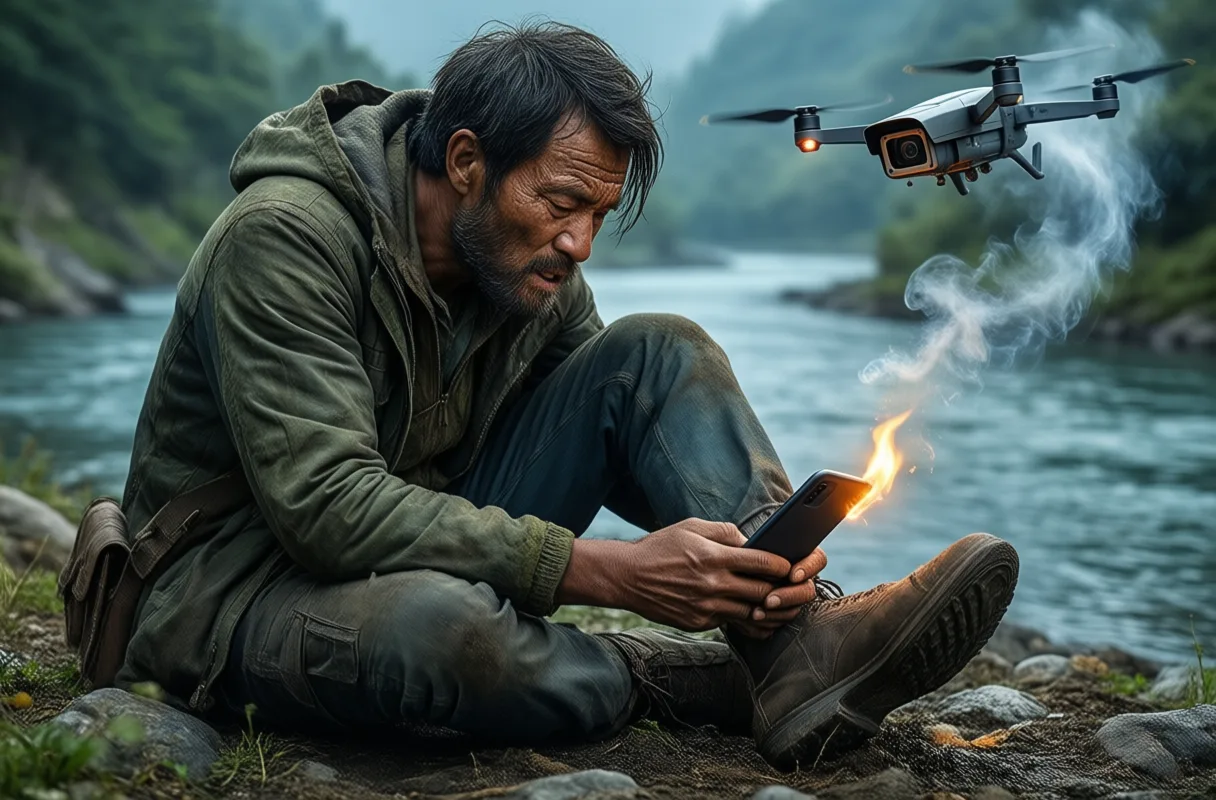
Finding the Real Thrill in Tactical Silence
How Restraint Builds Real Suspense
Sound design shapes perception. In high-tension scenes, some shows remove music entirely. Only ambient noise remains-the hum of fluorescents, distant traffic, breathing.
One series films a stealth sequence in near-total darkness, lit only by muzzle flashes. Audio drops to near silence between shots. The absence of sound becomes unbearable.
Another uses heartbeat as the sole rhythm during a rooftop pursuit. No score. No dialogue. Just pulse and footfall.
Restraint forces attention. When nothing happens, everything feels possible.
A creak. A shadow. A delayed response. These tiny details become monumental because the production treats them that way.
Directors hold shots longer. Let pauses stretch. Refuse to cut away from discomfort.
Silence isn’t empty-it’s loaded. And audiences feel the weight.
What to Look for Next When You’ve Burned Through Reacher
Your Next Move in the World of Streamed Action Thrillers
If Reacher Left you craving more-more precision, more isolation, more consequence-driven action-look beyond spectacle. Seek stories built on competence, not CGI.
Prioritize series where heroes earn every victory. Where fights end in seconds. Where silence speaks louder than speeches.
Explore titles that value realism over ratings bait. That trust audiences to follow complex plots without flashbacks or voiceover explanations.
Follow the craft. Study the editing. Notice how tension builds through composition, not chaos.
On loaded.ai, we spotlight the rising wave of action storytelling that favors substance over size-where the quietest hero often leaves the loudest impression.
Why These Action Thrillers Hit Like a Freight Train
If you loved Reacher's no-nonsense hero and bone-crunching fight scenes, you’re not alone-and you’re in luck. Plenty of streaming series deliver that same gritty, high-stakes punch, often with a lone wolf lead who plays by their own rules. What makes these shows click isn’t just the explosions or shootouts, but the way they keep tension simmering between episodes. You’ll find characters who’ve seen too much, done too much, and still can’t walk away from the next job.
The Real Power Is in the Punch-Ups
Reacher Is famous for its brutal, close-quarters combat, and fans will appreciate that some similar series actually train their leads in real fight disciplines. One show even used a former military hand-to-hand instructor to choreograph its most intense sequences, making every takedown feel grounded and heavy. That authenticity pays off-when the hero finally throws down, you feel every hit. It’s not flashy; it’s functional, just like Reacher’s own style.
More Than Just Muscle
While action is front and center, the best of these series weave in sharp dialogue and a dry sense of humor. Think of the kind of one-liner that lands right after a fight ends-no fanfare, just a smirk and a walk away. That tone is harder to nail than it looks, but when it clicks, it makes the character unforgettable. Some of these shows even build entire episodes around a single mission or confrontation, letting the suspense build slowly, like a fuse burning down. Explore more stories, videos, and creators on Loaded.
Frequently Asked Questions
What makes Reacher-style action thrillers so addictive for viewers?
Reacher captivates audiences with deliberate pacing, a quiet yet powerful protagonist, and personal stakes instead of apocalyptic threats. The focus on cause and effect, minimal procedural clutter, and earned confrontations create a narrative built for momentum and clarity.
How do similar series match Reacher’s intense fight scenes?
These series use practical stunts, close-quarters combat, and efficient choreography that emphasizes positioning and realism over endurance. Injuries have consequences, fights end quickly, and violence feels impactful because it serves the story and reveals character.
What traits do Reacher-like protagonists typically share?
They are solitary, resilient, and operate outside broken or complicit systems. They rely on observation, planning, and precision rather than brute force. They speak little, act decisively, and uphold a personal moral code even at great personal cost.
Why do these action thrillers avoid political subplots and bureaucratic drama?
To maintain narrative momentum, these shows strip away institutional politics and red tape. Conflict arises from immediate threats and moral dilemmas, not office disputes, allowing heroes to act swiftly and keep tension high without distractions.
This article was produced with AI assistance. How Loaded Video uses AI.
Orin dives into the unsung crafts that bring productions to life, from set design to sound editing. He approaches each story as a puzzle, uncovering how creative collaboration solves logistical and artistic challenges, revealing the hidden architecture behind memorable screen moments.