The Texas Chainsaw Massacre, the iconic film directed by Tobe Hooper and released in 1974, fundamentally shifted the horror genre. This film, known for its visceral terror and raw intensity, drew inspiration from unsettling real-life figures, like Ed Gein, to create a nightmarish vision of insanity and violence. The unsettling success of the Texas Chainsaw Massacre can be seen as a reflection of the turbulent socio-political landscape of America in the early 1970s-an era rife with war, economic strife, and societal upheaval.
The movie didn’t merely shock audiences; it carved out a new space in horror, leading to a surge of slasher films throughout the late 1970s and 1980s that often echoed its themes of familial disintegration, survival, and primal fear. The Texas Chainsaw Massacre messed with traditional horror conventions, giving viewers a taste of raw terror-a recipe that filmmakers continue to draw from to this day.
By delving into the film’s origins, we can better understand how it has left a lasting mark on pop culture and cinema. The Texas Chainsaw Massacre stands as a monument, showcasing the fine line between horror and society’s realities.
The Top 5 Chilling Realities Behind the Texas Chainsaw Massacre
Iconography of the Texas Chainsaw Massacre: A Study in Fear
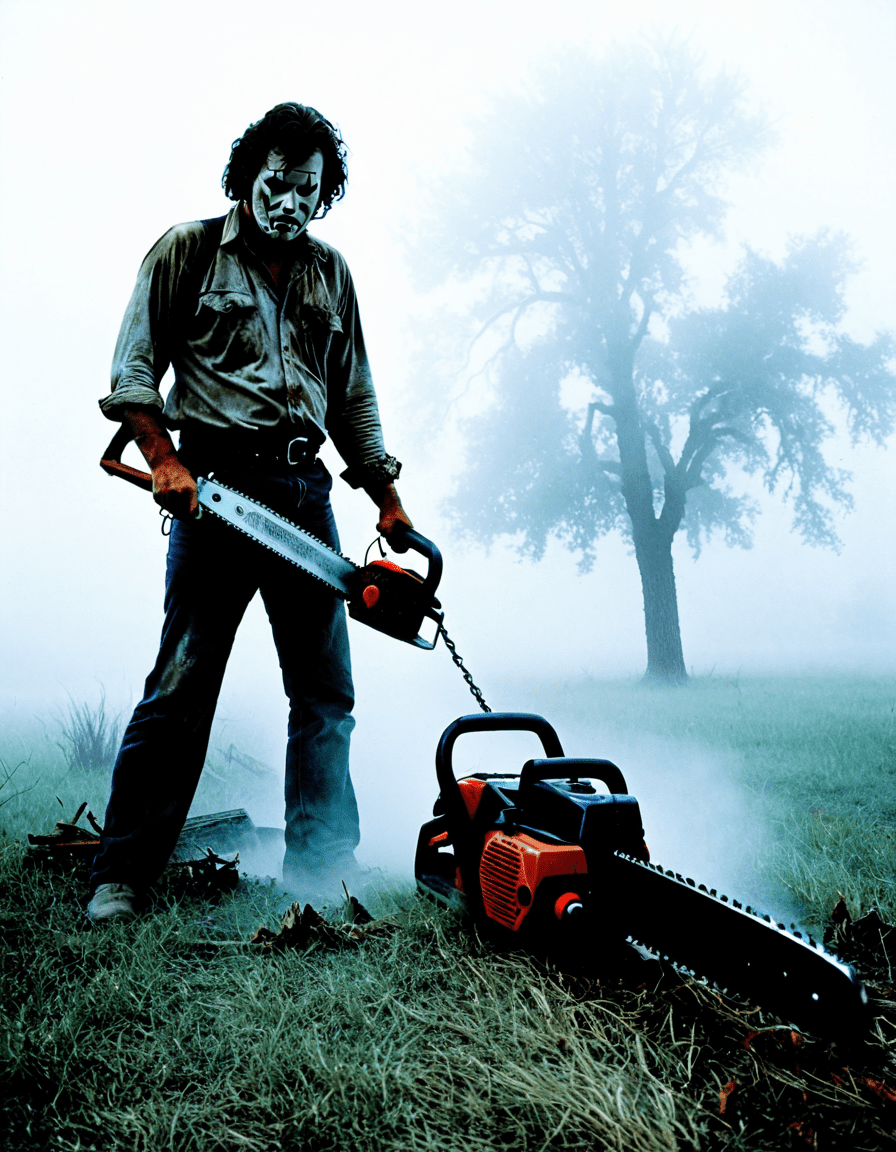
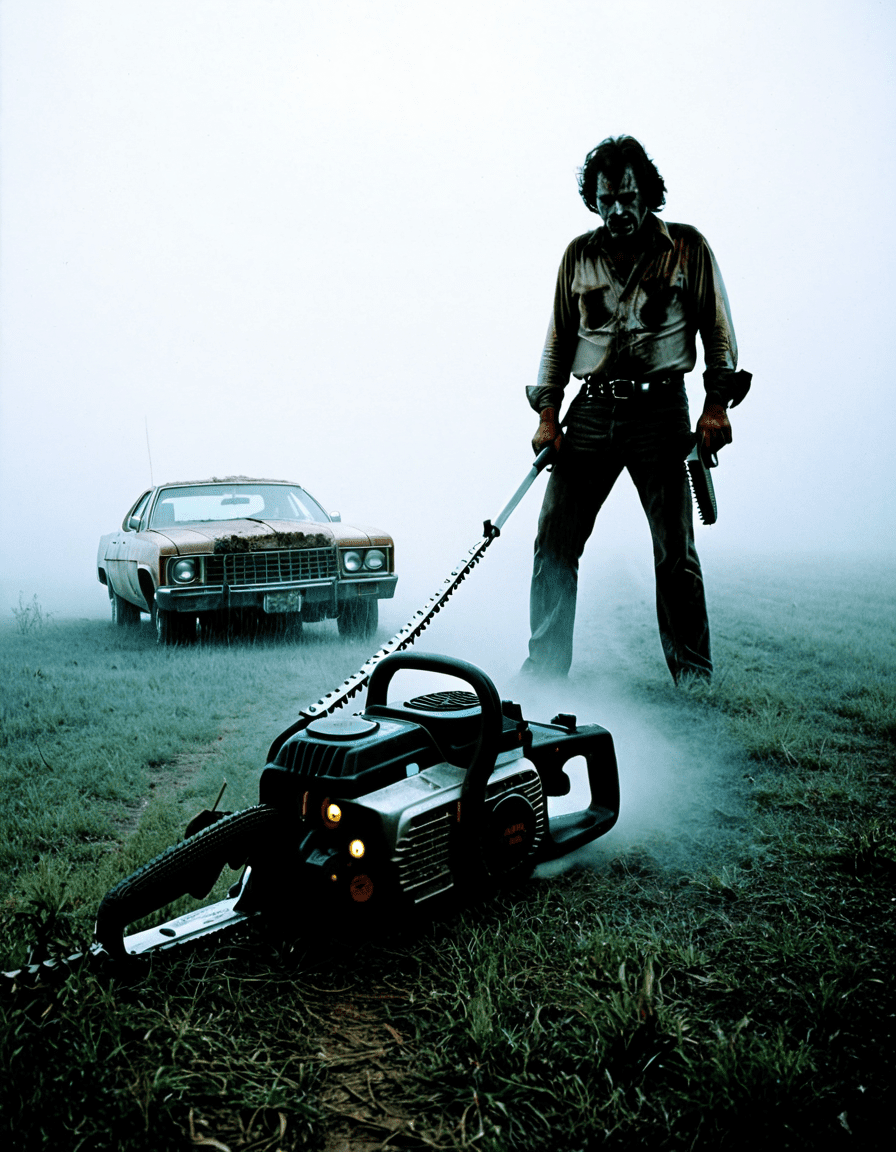
Leatherface with his chainsaw remains one of the most recognizable figures in horror history. The chainsaw itself-initially just a tool-took on a new identity as a symbol of slaughter and primal fear. It’s fascinating how this recontextualization features heavily in the film’s aesthetic and impacts how audiences perceive horror visuals even today.
Leatherface’s mask, made from human skin, represents a loss of identity and invites further reflection on monstrosity. This chilling visage dehumanizes him, transforming him into a metaphor for the lurking darkness in all of us. Artistic elements like these add untold layers to horror storytelling and can be seen echoed in various entertainment sectors-from music to video games. Just see how bands incorporate the image of Leatherface to evoke fear or nostalgia in their music videos.
The visual motifs within the Texas Chainsaw Massacre shaped horror aesthetics for years to come, inspiring creators looking to echo its psychological nuance and visceral horror.
The Impact of the Texas Chainsaw Massacre on Indie Filmmaking
The legacy of the Texas Chainsaw Massacre can’t be overstated, particularly in its lasting influence on indie filmmakers. Its gritty, low-budget style became a template a new generation of horror storytellers emulated. Movies like Halloween And The Blair Witch Project Borrowed heavily from its rawness, laying the groundwork for a resurgence of indie creativity in horror.
Tobe Hooper’s authentic methods of harnessing fear proved that compelling narratives could emerge from limited resources. The effectiveness of the Texas Chainsaw Massacre showed aspiring indie filmmakers that innovation often trumps budget size. This spirit of resourceful storytelling lives on in today’s cinema and continues to inspire countless projects each year.
As the industry moves forward, filmmakers who embrace the ethos of the Texas Chainsaw Massacre and its pioneering spirit remain at the forefront of indie movements. Filmmakers like Ari Aster and Robert Eggers, who drive horror into unsettling territories, carry the torch lit by Hooper.
Texas Chainsaw Massacre: The Franchise Evolution
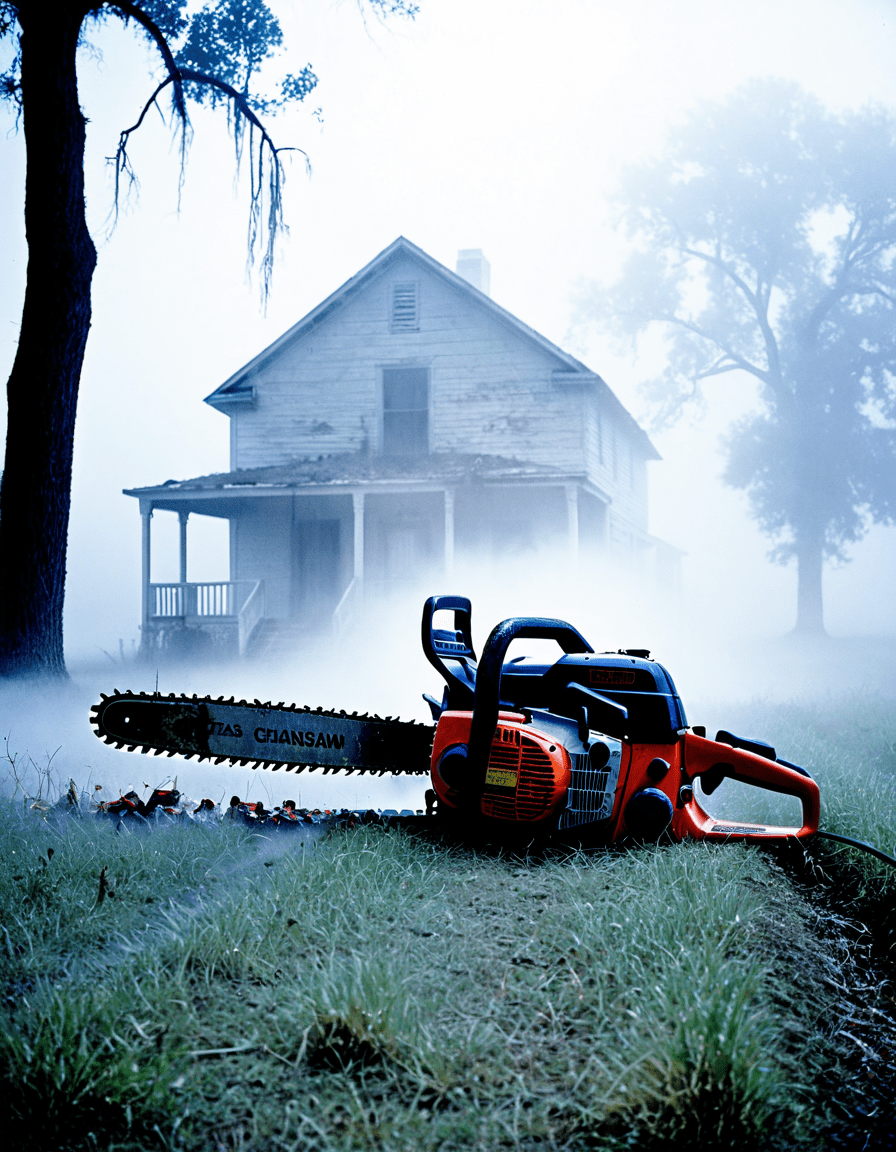
The Texas Chainsaw Massacre franchise has morphed over the years, demonstrating a spectrum of tones from strict horror to dark comedy entries that occasionally veer off the rails. The early 2000s saw a resurgence, highlighted by the 2003 remake that introduced Leatherface to a fresh audience, breathing new life into the series while setting off renewed interest in horror films overall.
The shifting storytelling and tones also mirror the evolving cultural anxieties of each decade. As more entries are added to the franchise, their reception varies widely, underscoring how perceptions of horror and fear evolve. Creative choices made in modern adaptations can critique present-day societal issues while paralleling the raw emotional weight carried by the original film.
Each film in this series, whether a laughable take or a chilling reminder of hardship, plays a critical role in determining how audiences perceive fear. As horror aficionados, we can learn much from the evolution of this franchise, understanding how it mirrors our fears across time.
An Enduring Legacy: The Texas Chainsaw Massacre in Modern Culture
Ultimately, the Texas Chainsaw Massacre serves as a chilling reminder of our fascination with darkness in humanity. Its unsettling truths are deeply rooted in reality, amplified through the raw power of cinematic expression. It continues to resonate with audiences worldwide, perpetually haunting our imaginations.
As we navigate the complexities of fear and survival, we embrace the reflection the Texas Chainsaw Massacre casts upon our vulnerabilities. In an age where horror often grapples with topical issues and reshapes classic narratives, the franchise stands tall-maintaining its status as a cultural touchstone and inviting conversations about morality and human nature.
The Texas Chainsaw Massacre isn’t just horror for horror’s sake; it’s a profound examination of society. Through its chilling narrative and uncompromising portrayals, it challenges us to confront our fears and recognize the shadows that linger within.
Texas Chainsaw Massacre: Chilling Trivia and Facts
Behind the Scenes
Did you know that the original Texas Chainsaw Massacre Was filmed on a budget of only $140,000? That’s a paltry sum compared to many big-blockbuster films that rake in millions at the Box office. Yet, despite its financial constraints, this horror classic went on to become a cultural milestone, raking in over $30 million during its theatrical run. Crazy, right? The film’s raw grit and unique perspective were inspired partly by the frenetic energy of directors like Francis Ford coppola, who was pushing boundaries in film around the same time.
Unique Inspirations
Interestingly, the character of Leatherface drew inspiration from real-life figures like Ed Gein, who also had a rather macabre interest in creating items from human remains. This connection between reality and horror has influenced countless filmmakers since. It’s fascinating how directors weave the unsettling into films, just like Alfred Hitchcock did in Rear Window, showing that fear can reside in the mundane. And just like the Texas Chainsaw Massacre , horror has grabbed audiences by the neck, keeping them on the edge of their seats-just like the gripping anticipation for Gladiator 2, which fans are eagerly waiting for.
Lasting Legacy
The film has become a pop culture icon, reviving a fervent interest in horror films that echoed through the decades. Its impact can be seen in various forms of media, including music-Morgan Wallen’s album, for example, holds that eerie yet captivating quality that draws from the dark themes resonating in horror narratives. The Texas Chainsaw Massacre Also paved the way for innovative merchandising, leading to a niche market, including trendy items like the quirky Pit viper sunglasses, that horror aficionados swear by during conventions.
From its gripping plot and horrifying visuals to the deeply unsettling characters, Texas Chainsaw Massacre Has carved its place in film history amidst legends like James Brolin Who capture the audience’s imagination with every role. There’s a good chance that, much like horror buffs relish their thrills, you might find a deeper appreciation for how this film continues to shape the genre!
This article was produced with AI assistance. How Loaded Video uses AI.
Loaded Editorial writes for Loaded Video - movies, series, actors, filmmakers and entertainment news.