“The Phantom Menace,” released in 1999, opened a fresh chapter in Star Wars history, acting as a crucial entry point into the beloved franchise. With the return of a galaxy far, far away after a 16-year respite, expectations soared sky-high. The film introduced characters like Qui-Gon Jinn, portrayed by the legendary Liam Neeson, and Padmé Amidala, played by Natalie Portman, alongside the somewhat controversial Jar Jar Binks, who still elicits mixed reactions. This complicated legacy shapes a narrative that still evolves with each new installment in the Star Wars universe.
Navigating through the diverse portrayals of good and evil, the film explores deeper themes of destiny and choice. While many fans celebrated the return of the Force, others critiqued the reliance on CGI and elements that felt out of place compared to the original trilogy. Nonetheless, “The Phantom Menace” established new plot lines and redefined the role of the Jedi within the Star Wars canon, giving the franchise a distinctive voice that resonates today.
As we dive into the legacy of “The Phantom Menace,” we find it uniquely positioned in the expansive Star Wars landscape. It wasn’t just a sequel but a story that made room for fresh narratives, complex characters, and even political intrigue that many still debate. Themes from this movie laid the groundwork for subsequent installments and even resonated with superhero stories, like those seen in “Superman Returns” and “Justice League.”
Top 5 Elements that Define The Phantom Menace Legacy
“The Phantom Menace” intricately entwines the story of Anakin Skywalker and the Jedi’s destiny. The introduction of the Jedi Council and prophecy discussions added layers to a previously more straightforward narrative. This complexity laid a framework that set the stage for future films while echoing themes present in similar endeavors, such as the struggle of legacy explored in “Superman Returns.”
The film’s political narrative is profound, depicting corruption and manipulation within the Galactic Senate. It presents a storytelling depth not explored in the original trilogy, reminding audiences of the intricate dynamics found in films like “Justice League.” The political undertones resonate strongly, portraying the connection between power and villainy and how those elements can shape destinies.
Despite grossing over $1 billion and becoming a box office success, the film received a polarized reception. This mixed critique mirrored events in other franchises like “Batman Returns,” leading to overhauls in narrative approaches that prioritize clarity and character development in sequels. Audiences craved deeper engagement, pushing filmmakers to rethink storytelling strategies.
At its core, “The Phantom Menace” marked a technological revolution in CGI, influencing film production values across genres. While the film’s reliance on effects, particularly Jar Jar Binks, faced scrutiny, it nonetheless pushed the boundaries of what was possible in visual storytelling. The advances seen here paved the way for future blockbusters, setting a standard for films like “Batman Forever” and even drawing tech specs as seen in “Firebird.”
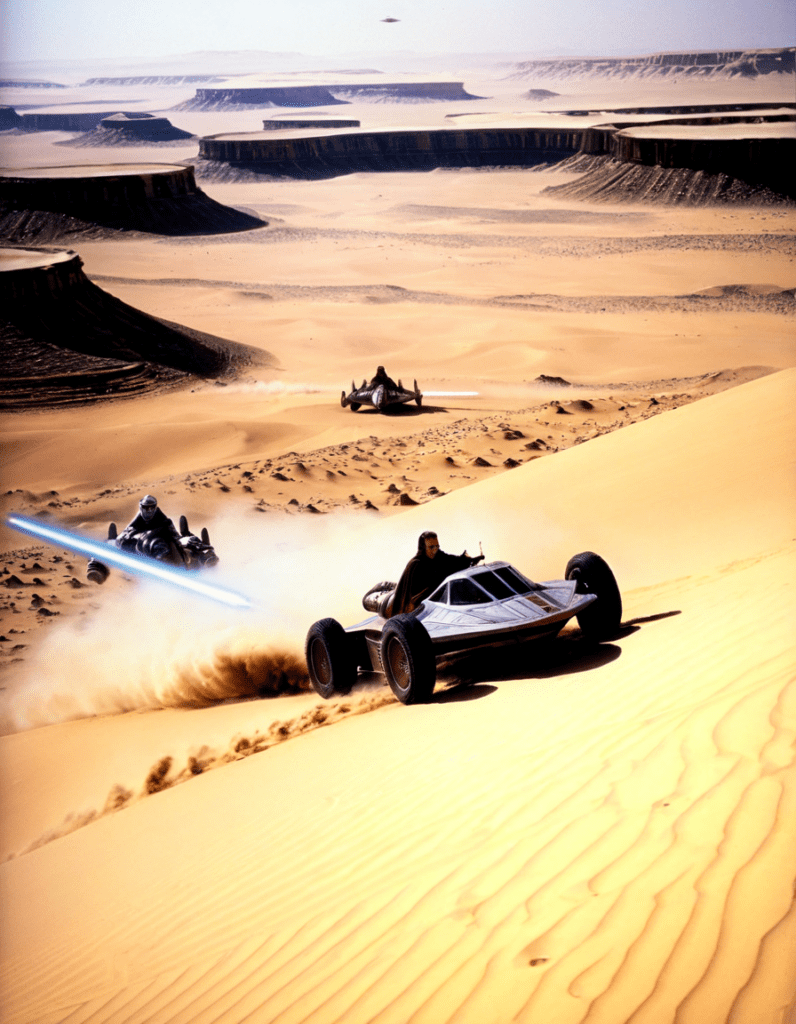
From Jar Jar’s infamous moments to lightsaber battles, “The Phantom Menace” created memorable scenes that morphed into cultural phenomena. Memes covering everything from the Senate scenes to the iconic podracing sequences still float around on social media today. Similar to how the Olsen twins shaped popular culture, the film’s character dynamics reflect a complicated legacy, having both commercial success and mixed critical reception.
The Interplay Between The Phantom Menace and Other Franchises
When examining “The Phantom Menace” in the context of major franchises, the interplay reveals a lot about cinematic evolution. Consider Anakin Skywalker’s journey compared to Clark Kent’s in “Superman Returns.” Both characters deal with immense expectations and struggles with identities, destiny, and societal norms while navigating their paths to acceptance.
Furthermore, the moral complexity in “The Phantom Menace” has influenced anti-hero narratives like those found in “Batman Begins.” Just like Bruce Wayne’s emergence as a hero encapsulated the fight against one’s darkness, Anakin’s arc framed the balance between good and evil within the Star Wars universe. These stories captivate audiences, seeking multi-dimensioned characters who aren’t just black and white.
How The Phantom Menace Influenced Star Wars’ Narrative Arc
The threads started in “The Phantom Menace” shaped the overarching Star Wars narrative significantly. It set the stage for the rise and fall of the Sith, interwoven with the Jedi’s decline, elements deeply explored throughout the subsequent films and series, such as “The Clone Wars” and the sequels. The groundwork filled narrative gaps and provided context, illustrating motivations behind character revelations in films like “Star Wars: The Rise of Skywalker,” which often struggled to align with established lore.
Understanding these connections reveals how crucial “The Phantom Menace” is in the grand narrative. Its strange but striking combination of politics, mythology, and character exploration opened more extensive discussions on morality and legacy than previously seen. Appreciating this film isn’t just about nostalgia; it’s about understanding how its themes resonate across generations.
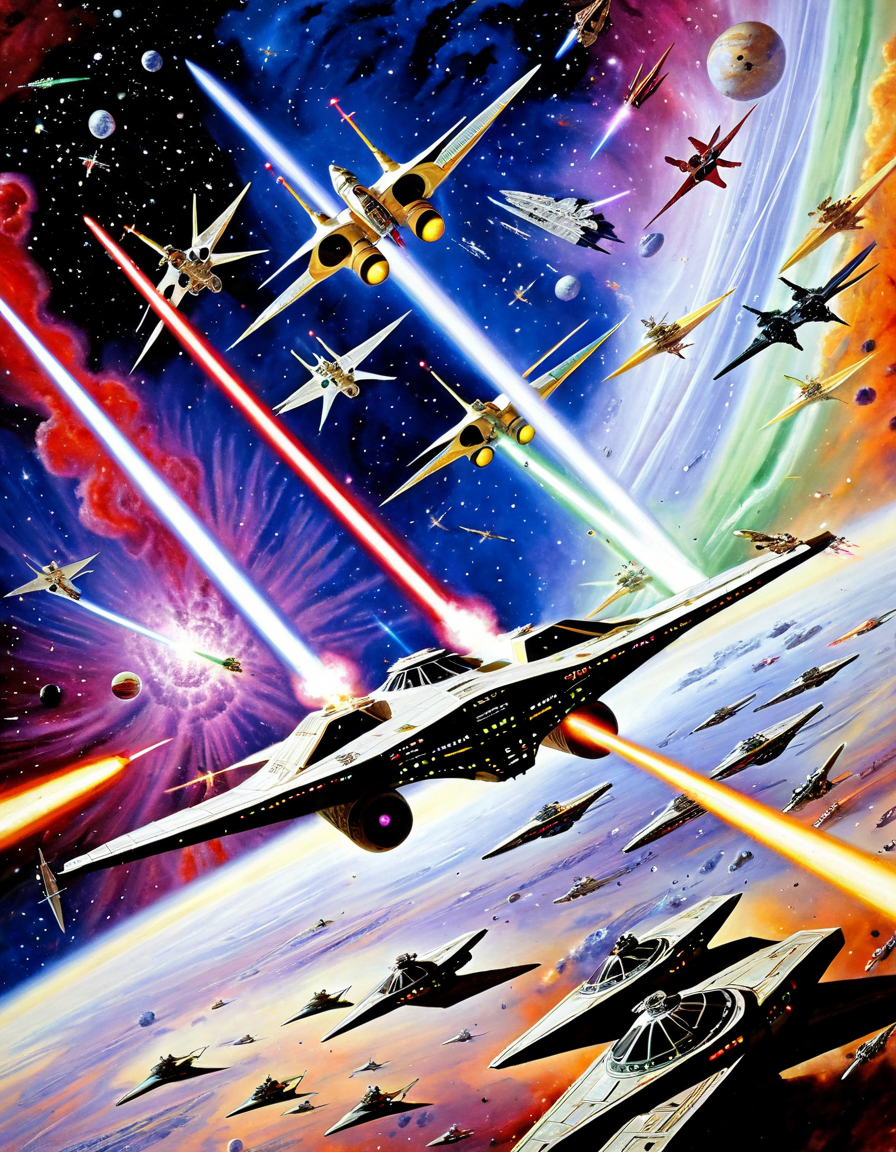
The Phantom Menace’s Legacy in Today’s Cinema Landscape
Looking at today’s sprawling cinematic universe, it’s clear “The Phantom Menace” established vital parameters for franchise management, paving the way for interconnected narratives in films we now recognize from Marvel and D.C. This film serves as a case study in audience engagement and complex character arcs that drive long-lasting franchises.
Woven through popular culture, “The Phantom Menace” reignited adrenaline for Star Wars and ignited new storytelling approaches. It broadened the contemplation of morality and legacy in filmmaking, challenging creators to engage their audiences on multiple levels with richly crafted narratives.
As audiences and filmmakers continue to evolve, the legacy of “The Phantom Menace” will remain a topic of intrigue and debate. The interplay of heroism, moral questions, and cultural significance guarantees that this film’s influence will persist, finding resonance with future generations of storytellers.
In summary, the impact of “The Phantom Menace” is undeniable. Its legacy guarantees a lasting presence in the ever-shifting landscape of cinema. The film resonates deeply across genres, embodying the complexities of legacy, how stories adapt to new audiences, and ultimately, how art enriches cultural discussions for years to come.
The Phantom Menace: Fun Trivia and Interesting Facts
Behind the Scenes Secrets
While The Phantom Menace Might be the first installment of the Star Wars prequels, it’s also responsible for introducing a tidal wave of new characters and concepts. Did you know that part of the film was shot in an abandoned mine? That’s right! The picturesque landscapes you see weren’t all from fancy sets; locations like the Blackwood Area provided a stunning backdrop that added an authentic feel to the galaxy far, far away. In an interesting twist, filming often collided with other productions, creating a unique challenge for everyone involved.
But that’s not all! The film also famously introduced audiences to CGI technology in a big way. The character of Jar Jar Binks was groundbreaking for its time and paved the way for characters like Firebird. It’s hard to imagine the Star Wars franchise without characters that pushed the limits of technology, don’t you think? Moreover, it was at The floor Of Lucasfilm’s visual effects division that they refined these techniques, making future films even more spectacular.
Character Highlights
One character that drew significant attention was Qui-Gon Jinn, portrayed by the talented Liam Neeson, whose performance indeed gave audiences a glimpse into the complexities of Jedi life. Interestingly enough, Neeson later got a surprising laugh in the film Birdman, showcasing his incredible range as an actor. Moreover, The Phantom Menace Also solidified the flamboyant, action-packed narrative that fans have come to love, setting the stage for Superman 1978-style heroism and adventure that’s bold and electrifying.
Speaking of bold choices, the filmmakers had to navigate between fan expectations and their visions. Major plotlines such as the trade disputes and the backgrounds of the Jedi were new territories for fans, reminiscent of themes one might find in today’s shows like Matzav. It really shows how The Phantom Menace Wasn’t just another movie; it was a cultural event, stirring discussions even years later about its legacy and the future of the franchise.
Cultural Impact
With its release, The Phantom Menace Became a cultural phenomenon, sparking everything from elaborate fan theories to passion projects, similar to those associated with the Tigerlily 90-day fiance Saga. Some fans even took drastic measures in their lives inspired by the franchise, with many joking about who would be the first to sell their homes after bankruptcy just to fund their cosplay adventures! It’s a testament to how deeply the Star Wars saga runs in the veins of popular culture.
As we look back, The Phantom Menace Isn’t just another chapter; it added a colorful palette to the Star Wars saga, influencing countless projects while continuing to fascinate enthusiasts all around the globe. Fans are still discovering layers and meanings hidden within its frames, making it a film that arguably set the tone for decades of storytelling ahead.
This article was produced with AI assistance. How Loaded Video uses AI.
Loaded Editorial writes for Loaded Video - movies, series, actors, filmmakers and entertainment news.