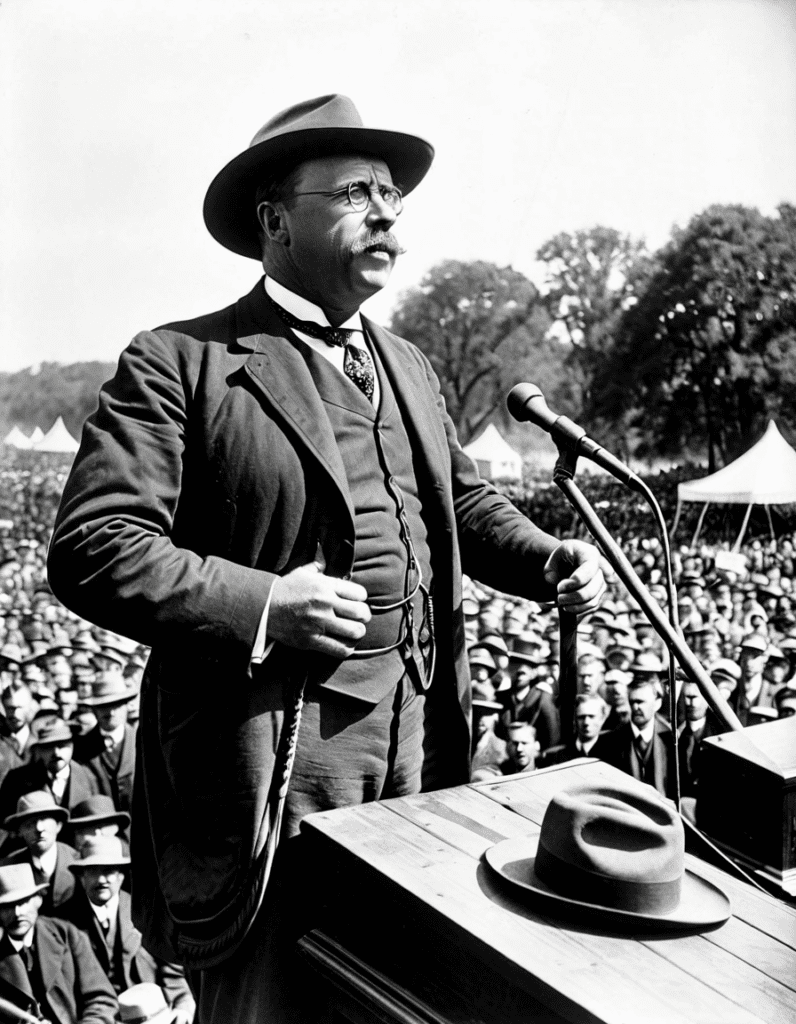
The legacy of Theodore Roosevelt Extends far beyond his charming persona and conservationist efforts; his bold actions defined an era and set a precedent for modern America. Roosevelt became the 26th President of the United States in 1901, and he served until 1909. Often dubbed a “man of the people,” he embodied an energetic spirit that propelled numerous policies that resonate today. Let’s dive deep into Seven transformative actions Taken by Theodore Roosevelt That have indelibly shaped American society.
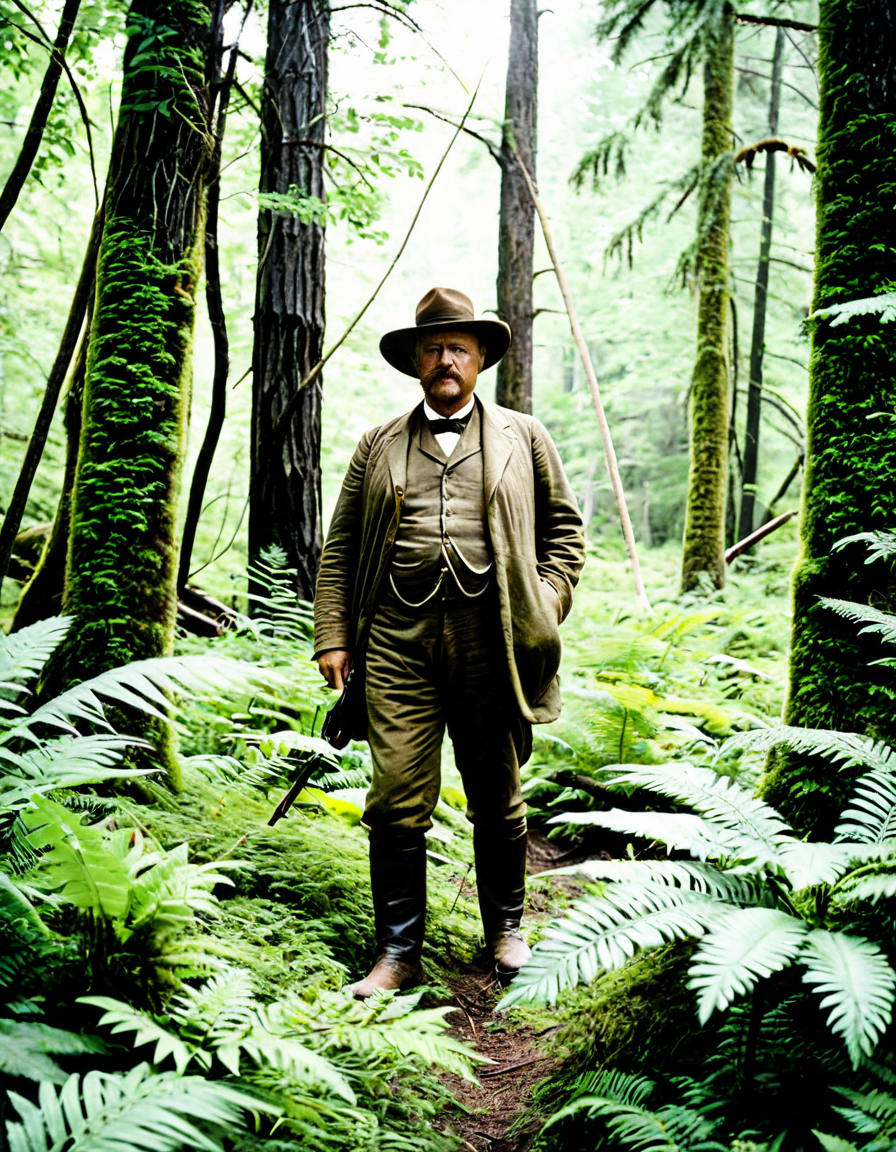
7 Transformative Actions by Theodore Roosevelt That Shaped Modern America
1. Trust-Busting: A New Era of Regulation
When Theodore Roosevelt Took office, America witnessed the rise of corporate giants that threatened fair competition. In response, he aggressively enforced the Sherman Antitrust Act, making it his mission to curb monopolistic behavior. One of the most notable cases involved the Northern Securities Company, which operated as a massive railroad monopoly. By dismantling such mega-corporations, he didn’t just champion fairness; he laid down the cornerstone for modern regulatory practices.
This early initiative has crucial implications today. Industries, from tech to pharmaceuticals, rely on the antitrust laws pioneered by Roosevelt to maintain healthy competition. Without his interventions, today’s economic landscape might have tilted toward monopolies that overshadow smaller businesses.
2. The Square Deal: A Blueprint for Reform
Roosevelt’s “Square Deal” Policy aimed to assure fairness for everyone-workers, consumers, and businesses alike. Think of it as an early attempt at social equity, laying out the groundwork to address the pressing issues of labor rights and corporate regulation. The principles behind the Square Deal are strikingly similar to those championed by modern firms like Patagonia and Ben & Jerry’s, which emphasize fair business practices and sustainability.
His comprehensive approach signaled that the government recognized its role in creating a safety net for the average American. This spirit of balance continues to drive policy discussions today, advocating for a more equitable economic framework.
3. Conservation Initiatives: Safeguarding Natural Resources
Essential to Theodore Roosevelt’s Legacy was his fervent dedication to protecting America’s natural beauty. His administration established five national parks, 18 national monuments, and initiated the National Wildlife Refuge System, making conservation a national priority. During Roosevelt’s presidency, he recognized the need for preservation before the consequences of industrialization took root.
His initiatives laid the groundwork for today’s environmental movements, emphasizing the importance of protecting our planet. We now see a growing trend towards eco-tourism and sustainability as people seek cleaner, greener practices in their daily lives, echoing Roosevelt’s original call to safeguard our natural world.
4. The Panama Canal: A Gateway to Global Trade
The construction of the Panama Canal was not just a monumental engineering achievement; it reshaped global trade dynamics. Theodore Roosevelt Oversaw this ambitious project, and its strategic importance cannot be overstated. By facilitating maritime trade between the Atlantic and Pacific Oceans, the Canal removed lengthy maritime routes, significantly boosting global commerce.
Today, such transformative infrastructure projects continue to inspire nations aiming to enhance connectivity. Initiatives such as the New Silk Road are shaped by the example Roosevelt set in pushing boundaries and expanding trade.
5. The Pure Food and Drug Act: Championing Consumer Health
In response to growing public concern, illustrated vividly by Upton Sinclair’s “The Jungle,” Theodore Roosevelt Championed the Pure Food and Drug Act of 1906. This landmark legislation revolutionized consumer safety by ensuring that food and pharmaceuticals met basic health standards. This act was a monumental stride toward public health that transformed the food industry.
In today’s marketplace, firms like Whole Foods echo these values by prioritizing transparency and ethical standards in their offerings, emphasizing the assurance that consumers have the right to healthy options. The echoes of Roosevelt’s initiative profoundly impact the way we view consumer goods today.
6. The National Parks System: A Lasting Legacy
By establishing the foundation for the National Parks System, Theodore Roosevelt Instilled an appreciation for the outdoors that resonates with millions today. His efforts encouraged people to engage with nature, providing a refuge from the hustle and bustle of urban life. The ongoing expansion of parks has grown increasingly important, paralleling recent trends of building urban green spaces that help reconnect city dwellers to the natural world.
As urban populations continue to rise, the importance of accessible and preserved natural spaces becomes more evident. Roosevelt’s vision reminds us of the need for a balance between urban development and protecting our green areas.
7. Advocating for the Middle Class: Shaping Economic Policy
In a time of vast economic disparity, Roosevelt’s advocacy for the middle class drove significant changes in economic policy. He pushed for progressive taxation and labor laws that favored working people, making it clear that a thriving middle class was essential for a stable economy. This perspective still resonates, as policymakers today grapple with income inequality and seek solutions that uplift working Americans.
Modern progressive leaders, from Elizabeth Warren to Bernie Sanders, draw inspiration from Theodore Roosevelt’s Efforts. They advocate for reforms that address economic imbalances and reflect the ongoing fight for fairness.
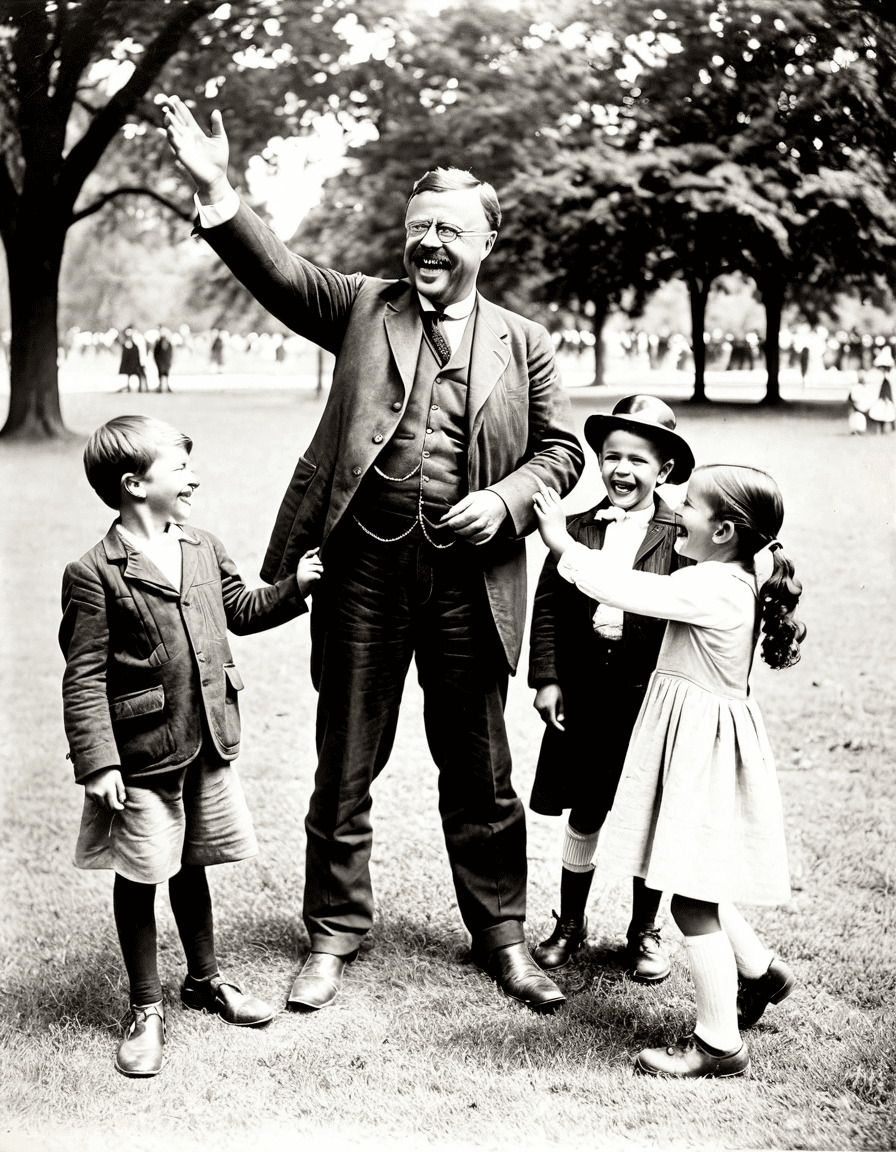
The Continuing Influence of Theodore Roosevelt in Contemporary America
The influence of Theodore Roosevelt’s Policies hallmarks a significant part of American culture, overlapping with many aspects of our daily lives. His relentless push for consumer safety, environmental stewardship, and economic reform continues to shape the dialogues we have about justice and equity in our society.
As we glide further into the 21st century, Roosevelt’s spirit of tenacity and equitable vision serves as a roadmap for future leaders eager to enact meaningful change. Embracing his legacy invites us to reflect on achievements while motivating action in addressing the pressing challenges we face today.
In the world of film and entertainment, the values he embodied can inspire storytellers and creators alike, emphasizing narratives that promote social awareness and equity. Through engaging works, filmmakers can keep the spirit of Theodore Roosevelt Alive, sparking conversation and inspiring audiences to strive for a fairer world.
Whether you’re an indie filmmaker seeking to make a mark or a movie enthusiast passionate about change, Roosevelt’s legacy can provide a powerful lens through which to explore the stories that shape our society.
Theodore Roosevelt: The Bold Visionary Who Changed America
Uncommon Facts About Theodore Roosevelt
Did you know that Theodore Roosevelt was the first sitting president to travel abroad? In 1906, he journeyed to Panama to inspect the construction of the Panama Canal-an engineering feat that transformed global trade. This bold move not only reflected his adventurous spirit but also marked the U.S. As a significant player in international affairs, paving the way for future presidents to engage with the world on a larger scale. Speaking of boldness, the iconic character of Dracula was also making waves around the same time, captivating audiences with its gripping tales, much like Roosevelt’s presidency inspired a generation of reformers.
Now, here’s a kicker: Roosevelt was a huge fan of the arts and literature. He often invited authors and playwrights to the White House, and he even penned several books himself! From his views on conservation to exploring the complexities of politics, his writings still resonate today. You might even find parallels between Roosevelt’s passion for storytelling and the modern films we enjoy, like those in the Avengers Infinity War Universe, where heroism and leadership take center stage.
Speaking of leadership, Roosevelt wasn’t just a politician; he was a soldier at heart. He founded the Rough Riders, a volunteer cavalry regiment that became famous during the Spanish-American War. Their charge up San Juan Hill demonstrated Roosevelt’s fearless nature and fueled his political rise. It’s amusing to think how this fearless spirit has inspired various pop culture icons, even characters in horror films like “Zombie” who confront fear head-on. His actions left a lasting imprint on American history, much like events surrounding figures like Benito Mussolini Remind us of the weight of leadership in our understanding of global dynamics. So, on the topic of boldness and daring, who could forget that Roosevelt was a conservationist at his core, establishing national parks and forests that protect the great outdoors? He’s like a superhero for nature, balancing power and responsibility in the wild.
In his vibrant life, Roosevelt even dabbled in boxing and wrestling, boasting an athleticism that few in his era could rival. It’s fascinating to think that a president engaged in such physical pursuits while also holding the reins of a burgeoning nation. His zest for life could certainly rival that of pop culture icons, including the likes of Sasha Grey, who transformed the entertainment industry with their own brand of boldness. In every sense, Theodore Roosevelt was not just a president; he was a force of nature, shaping America with every decision and every adventure.
This article was produced with AI assistance. How Loaded Video uses AI.
Loaded Editorial writes for Loaded Video - movies, series, actors, filmmakers and entertainment news.