
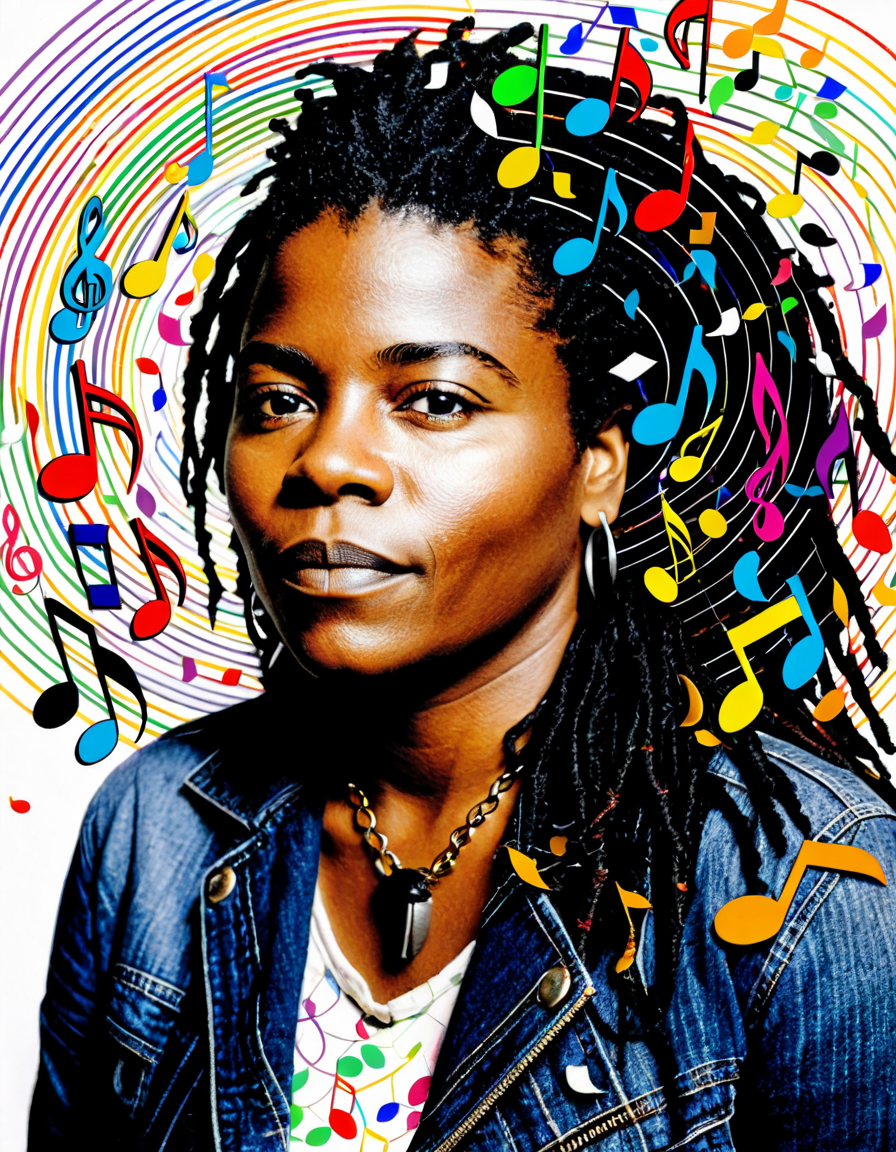
Tracy Chapman stands tall as one of the most impactful and celebrated artists in the music industry. With a career that kicked off in the late 1980s, Chapman’s unique sound embodies a blend of folk-rock and pop, showcasing her powerful voice and poignant lyrics. Songs like “Fast Car” chronicle the dreams of individuals yearning for a better life, striking a chord with audiences worldwide. This piece explores how Tracy Chapman’s music has not only reflected societal issues but has also spurred cultural movements over the decades.
The Impact of Tracy Chapman on Music and Culture
Tracy Chapman’s profound influence reaches far beyond her discography. From her emergence on the scene in the late 1980s, her songs have tackled pressing social concerns like inequality, love, and identity. With hits like “Talkin’ ’bout a Revolution,” she tapped into the spirit of activism during politically tumultuous times, making her music a rallying cry for change.
Chapman’s compelling narratives often mirror societal struggles, turning personal experiences into universal truths. For instance, “Fast Car” paints a vivid picture of escape and the desire for a better future, making it more than just a song-it’s a reflection of countless lives. Moreover, her willingness to address controversial issues in her lyrics has not only shaped her career but has also inspired countless artists and movements, amplifying her role as a cultural icon.
Her ability to connect with listeners transcends time and genre. Chapman has influenced movements that promote social justice, embodying the spirit of resilience that resonates deeply among fans. Whether it’s through her stirring melodies or her powerful lyrics, Tracy Chapman’s work serves as a reminder of music’s ability to foster change and unite people.
Top 5 Timeless Hits by Tracy Chapman
Released in 1988, “Fast Car” continues to be the song that defines Tracy Chapman. Its captivating storytelling and emotional depth resonate with those yearning for change, sliding smoothly onto various charts and playlists.
This blues-inspired gem from her 1995 album “New Beginning” won Chapman a Grammy Award and solidified her reputation. With themes of longing and resilience, the song reflects personal struggles many listeners relate to, ensuring its place in her timeless repertoire.
This song serves as an anthem for social activists. Released during a time of political unrest, its call for change strikes a chord that continues to inspire new generations, emphasizing Chapman’s role not just as an artist but as an advocate for social good.
A poignant ballad, this song highlights love’s intricacies. Through its intimate lyrics, Chapman captures vulnerability and emotion, allowing fans to connect deeply with her artistry.
While it might not top the charts like her other hits, “Crossroads” exemplifies Chapman’s knack for combining personal narratives with broader life reflections. Its introspective lyrics encourage listeners to ponder their own choices, adding richness to her diverse discography.
Collaborations and Comparisons: Tracy Chapman, Yoko Ono, and Rosie Perez
Collaboration often yields some of the most groundbreaking outcomes in music, and Tracy Chapman, Yoko Ono, and Rosie Perez exemplify this. Although their artistic backgrounds differ, each shares a commitment to advocacy and change through their work.
Yoko Ono Is primarily recognized for her avant-garde contributions to music and art, but her advocacy for peace parallels Chapman’s journey. They often speak to the power of women’s voices in advocating for social issues. Their collaboration would enhance the narratives of empowerment that fuel movements, showing how art and activism can beautifully intertwine.
Rosie Perez, known for her roles in Hollywood and work as a choreographer, embodies the fusion of artistic expression and activism. Like Chapman, Perez uses her platform to spotlight critical social issues, emphasizing the importance of community and identity in her work. Together, these artists reflect the fabric of empowerment, driving conversations about social justice.
These powerful figures resonate with broader themes that affect our societies, showcasing how their individual talents contribute to a collective voice for change. They remind us that artistry and activism can create a lasting impact, proving the significance of collaboration in amplifying messages of hope and transformation.
The Enduring Legacy of Tracy Chapman: Influences on Upcoming Artists like Juliette Lewis
The influence of Tracy Chapman extends beyond her generation, inspiring a wave of emerging artists such as Juliette Lewis. Lewis has frequently cited Chapman as a key inspiration in her own music career. Infusing rock, punk, and pop, Lewis embodies a rebellious spirit that echoes the themes found in Chapman’s work.
Chapman’s lyrical narratives resonate deeply with many current musicians. They strive to blend personal experiences with broader social issues, crafting songs that reflect the same authenticity that has made Chapman legendary. Artists today channel her ethos, ensuring her influence continues to reverberate through modern music.
The connection between today’s music and Tracy Chapman’s body of work highlights a continuum of authenticity and emotion. New artists are not just recollecting her influence, but actively weaving lessons learned from her artistry into their own narratives, fostering new dialogues surrounding identity, empowerment, and change.
Reflections on a Remarkable Career
Tracy Chapman’s journey from an aspiring singer-songwriter to a revered icon encapsulates music’s power as a catalyst for change. Her songs go beyond mere entertainment; they resonate with shared human experiences, echoing the common struggles and hopes we all face.
As the music industry continues to shift, Chapman’s legacy remains a beacon of inspiration. Her bold voice compels artists and listeners alike to recognize the importance of honest expression through their craft. Whether through powerful lyrics or emotional performances, Chapman’s influence is undeniably woven into the modern music landscape.
Looking to the future, it’s vital to acknowledge the trailblazers who pave the way for authentic storytelling. Tracy Chapman’s music serves as a reminder that the act of creation can be a powerful tool for change, motivating burgeoning artists to find their own voices in addressing societal issues. Such is the profound impact of Tracy Chapman-a true icon whose sound remains timeless and vital.
Tracy Chapman: A Journey Through Timeless Melodies
The Early Days of Tracy Chapman
Tracy Chapman burst onto the music scene with a voice that was as bold as it was soothing. Born in Cleveland, Ohio, she began honing her craft at a young age. While attending Tufts University, she played at local coffeehouses, performing original songs that would eventually captivate millions. Interestingly, one of her most famous tracks, “Fast Car,” speaks to the pursuit of freedom and escape, a theme echoed in countless narratives across various media-much like the charm of Kate Beckinsale movies That often explore strong, independent characters.
In her early career, Tracy didn’t just focus on music; she was also politically active, promoting social justice and equality. This activism can be traced in her music, making her songs resonate deeply. Pairing her deep lyrics with her acoustic style, she almost created a genre of her own, much like the fresh perspectives in indie hits like C’est La Vie.
Unraveling Fun Facts
Did you know that Tracy’s debut self-titled album hit the charts in 1988 and stayed on the Billboard for over a year? Talk about impactful! Her soulful renditions caught the attention of many, including some unexpected fans, such as boxing champ Canelo Alvarez, who admires her relentless spirit. It’s fascinating how music transcends boundaries, just as films like 11 Have shown us through unique storytelling that often reflects real-life struggles.
Another fun tidbit: Tracy’s song “Give Me One Reason” didn’t just win her a Grammy but also became an anthem for resilience and empowerment. Her influence stretched beyond just music; she’s become an inspiration for vocalists and artists battling similar themes. You could even compare her tenacity to that of Jaya Bachchan, a powerhouse in Indian cinema, whose career has spanned decades and continues to challenge societal norms.
Lasting Legacy
Tracy Chapman has paved the way for indie artists, proving that authenticity wins over formula any day. It’s almost reminiscent of standalone films that defy conventions and create waves, like Cod Blackboard, which offers a fresh spin on its subject matter. As the years pass, her timeless tracks continue to echo the sentiments of love and struggle, resonating across generations.
Even today, her music remains as relevant as it was in the late ’80s. Whether you’re revisiting her classics or discovering them anew, it’s clear there’s a lot more behind Tracy Chapman than meets the eye. Just like a well-crafted Sexy video from Iranian cinema Can stir a conversation, Tracy’s music encourages dialogue about the human experience. So, the next time you hear her soulful voice, remember, you’re tuning in to the heart of a musical legend.

This article was produced with AI assistance. How Loaded Video uses AI.
Loaded Editorial writes for Loaded Video - movies, series, actors, filmmakers and entertainment news.