1. Unpacking the Legacy of Who Framed Roger Rabbit
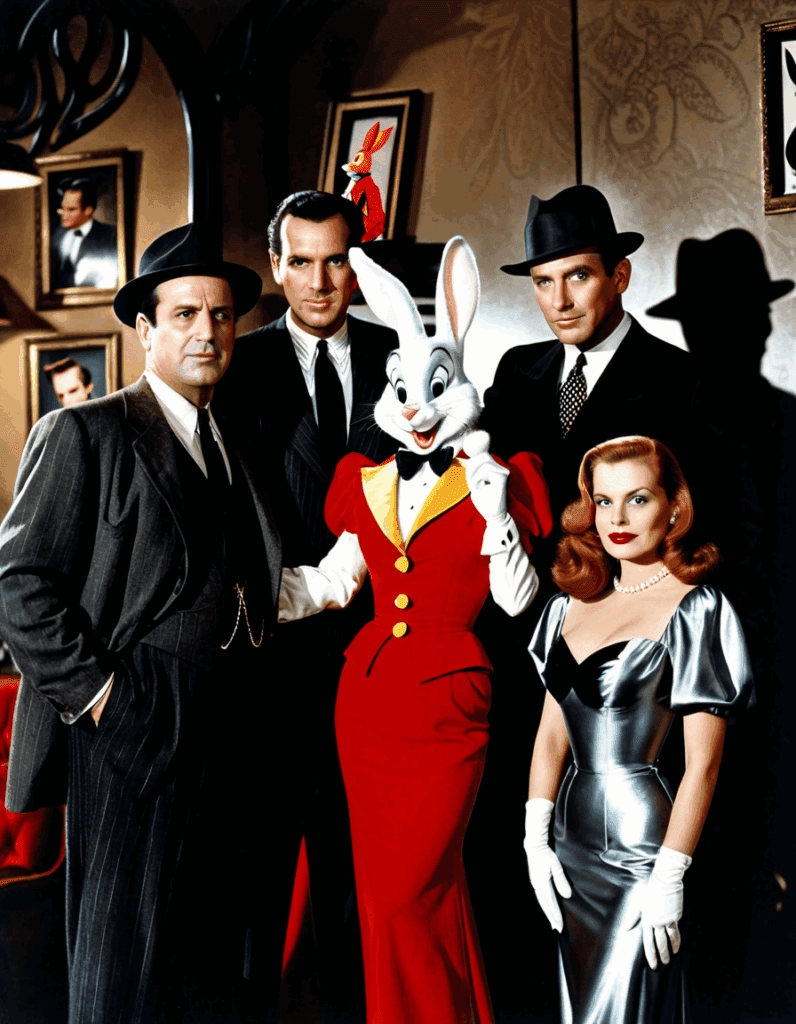
Released in 1988, Who Framed Roger Rabbit Did more than just revolutionize animation; it sparked a transformation in how audiences perceive the relationship between live-action and animated worlds. Directed by Robert Zemeckis and based on Gary K. Wolf’s novel, this film is often hailed as the cornerstone of modern animated features. Its blend of hard-boiled noir storytelling mixed with vibrant animation changed the game, paving the path for future classics like Space Jam. Remarkably, Who Framed Roger Rabbit Retains its cultural relevance today, continuing to inspire filmmakers and animators alike.
What set this movie apart? It wasn’t just the cutting-edge technology allowing animation to mix seamlessly with live-action; it was about creating an engaging universe filled with distinctive character arcs and a script that balanced humor with darker undertones. The film offered more than mere entertainment; it became a cultural icon, embraced across generations and cherished for its creative storytelling.
In understanding its legacy, we can’t overlook how Who Framed Roger Rabbit Kicked open the doors to new possibilities in filmmaking. The movie raised conversations about artistic ownership and the medium’s place within the cinematic landscape. It didn’t just revive interest in animation during a time when it was often overlooked; it sparked a movement, encouraging studios to explore artistic storytelling in new ways.
2. Top 7 Animation Innovations from Who Framed Roger Rabbit
The influence of Who Framed Roger Rabbit Extends far beyond its narrative triumphs, showcasing several animation innovations that redefined the genre. Here are the top seven groundbreaking techniques from the film:
2.1. The Use of Live-Action Interaction
A major achievement in Who Framed Roger Rabbit Was its pioneering method of combining live-action with animation. Characters like Roger Rabbit and Jessica Rabbit interacted with real actors in ways that felt natural. This was a result of meticulous planning by the crew, involving detailed storyboards and cutting-edge camera work that pulled viewers deep into this enchanting universe.
2.2. The “Animation within Animation” Concept
The film presented a unique layer of depth through animated characters who were aware of their animated environments-a meta-narrative that future films like The Lego Movie And Disney’s Wreck-It Ralph Would later adopt. This concept added complexity to storytelling, allowing audiences to appreciate the intricacies within the animated world itself.
2.3. Hand-Drawn Techniques
At a time when digital methods were gaining ground, Who Framed Roger Rabbit Celebrated traditional hand-drawn animation techniques. The warmth and artistry of these hand-drawn characters connect with audiences in a way that modern CGI often fails to replicate. Look no further than 2023’s Spider-Man: Across the Spider-Verse To see a resurgence of this beloved technique, emphasizing the nostalgia and charm of hand-drawn artistry.
2.4. Celebrity Cameos and Crossovers
Bringing together characters from various notable studios, Who Framed Roger Rabbit Created an early benchmark for the crossover phenomenon. Seeing legends like Mickey Mouse shaking hands with Bugs Bunny was virtually unheard of before. This unprecedented blending of worlds kicked off a trend for fan service that would later become a staple in big franchises, such as the Marvel Cinematic Universe.
2.5. A Noir Aesthetic in Animation
The movie’s infusion of a noir narrative structure-with all its mystery and moral ambiguity-was bold and unexpected for an animated feature. This darker aesthetic made the film appeal to adults as well, paving the way for future projects like The Incredibles And Zootopia, which also explored similar adult themes while remaining suitable for younger audiences.
2.6. A Diverse Character Palette
The film’s rich character array, featuring both beloved and obscure animated icons, set a precedent for character diversity in animation. Over time, this trend has expanded, with films like Coco And Frozen II Embracing vibrant cultural narratives and character designs that reflect the world we live in.
2.7. Groundbreaking Sound Design
The audio landscape of Who Framed Roger Rabbit Was innovative for its time. It combined various sound elements that helped enhance the merging of live-action and animation. This technique has evolved into contemporary masterpieces like Soul, where a sophisticated soundtrack complements character audio to create a fully immersive experience.
3. The Cultural Impact of Who Framed Roger Rabbit
The cultural impact of Who Framed Roger Rabbit Is colossal. It revived interest in animation at a time when industry fatigue threatened its existence. The film gave voice to the struggles of animators and studio rivalries, creating a narrative that resonated with audiences in profound ways.
Moreover, Who Framed Roger Rabbit Wasn’t just a film; it became a pop culture phenomenon complete with merchandise and theme park attractions. Its success solidified its status in animation history, inspiring contemporary filmmakers like Brad Bird and the Russo brothers, who harness the balance of storytelling and visual aesthetics in their projects.
At its core, Who Framed Roger Rabbit Brought attention to the significance of animation as a serious art form. By blending real-world implications with a heartfelt story, it raised valuable discussions about the place of animation within broader cinematic debates. Today, this film continues to encourage animated projects that embrace depth, humor, and artistic integrity.
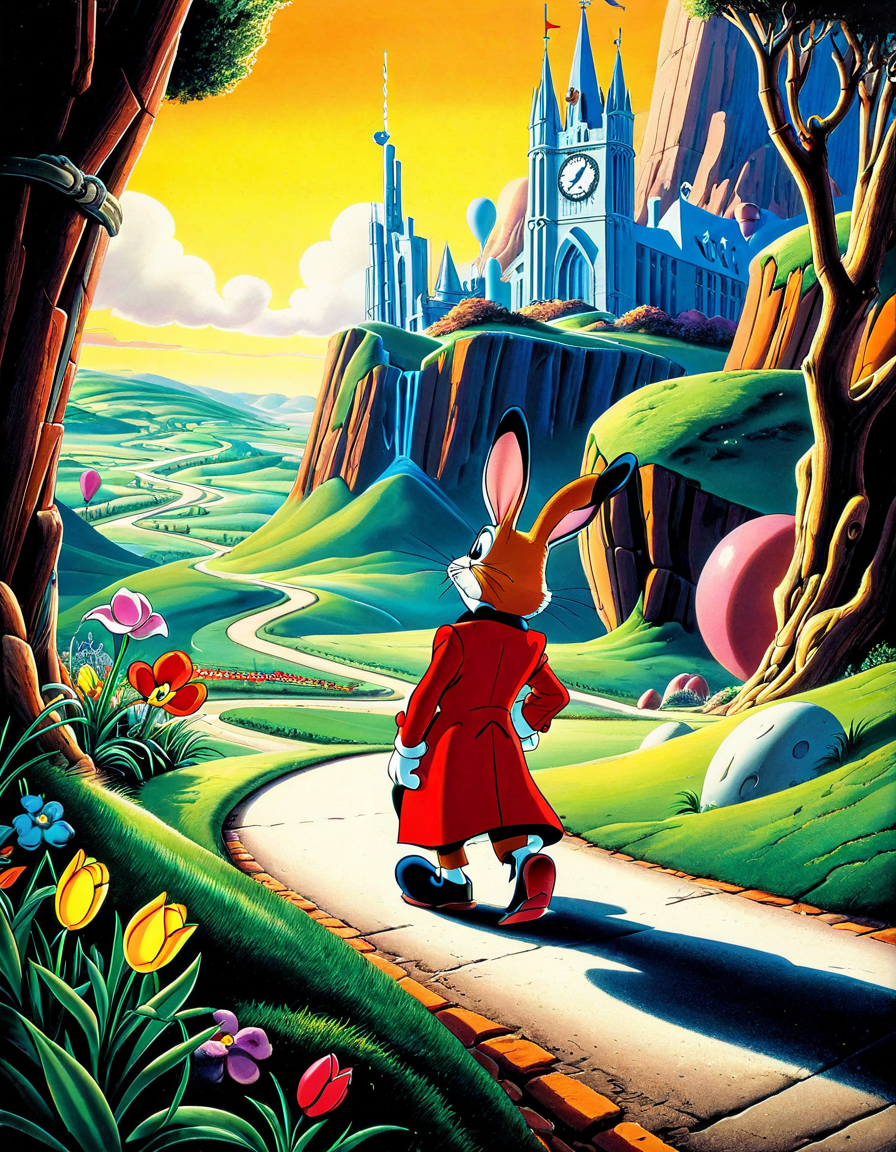
4. Looking Ahead: The Future of Animation Inspired by Who Framed Roger Rabbit
As we press on into the depths of the 2020s, recognizing how Who Framed Roger Rabbit Will inspire the next wave of filmmakers and animators is crucial. With the lines between animation and live-action increasingly blending-exemplified by recent adaptations like The Lion King And Space Jam Revival-this classic continues to serve as a foundational reference point for narrative creativity and artistic integration.
Emerging technologies like augmented reality and virtual environments present exciting new avenues for storytelling. Yet, the core tenets championed by Who Framed Roger Rabbit-imaginative storytelling, diverse character representation, and cultural commentary-will echo through the narratives and visual formats of future projects.
By promoting innovation, encouraging collaboration, and embracing varied artistic interpretations, Who Framed Roger Rabbit Stands as an essential piece of cinema history. Its charm and creativity will continue influencing the world of animation for generations to come. This film serves as a reminder that storytelling transcends mediums, captivating audiences and leaving a lasting impact across time and space.
To dive deeper into fascinating projects, explore the NHI Here. For insights into other aspects of the industry, check out our Movies out in Theaters Or get nerdy with our piece on Dragon Age: The Veilguard Here. Want to see the faces behind the magic? Discover the Cast Of Kingdom business Today.
Who Framed Roger Rabbit: Unleashing Animation Magic
A Unique Blend of Worlds
Behind the magic of Who Framed Roger Rabbit, there’s a fascinating mix of animation and live-action that was groundbreaking for its time. The film had a notorious reputation for bringing together various animation styles into one cohesive narrative. Interestingly, the creators drew inspiration from classic detective stories like the iconic Rockford Files. This mix of genres creates a rich tapestry that pays homage to both animation and noir, making it a must-watch for fans of either realm.
The film’s dynamic cast included a combination of well-known names from both animated and live-action worlds. You’d be surprised to know that the film features cameos from beloved Sesame Street Characters Alongside classic animated icons like Mickey Mouse and Bugs Bunny, making it a veritable playground of characters. This cross-pollination of universes highlights how storytelling breaks boundaries and creates unexpected friendships.
Animation Techniques and Trivia
Since its release in 1988, many viewers are still curious about how this film brought its whimsical world to life. The animators utilized a unique technique called “live-action rotoscope,” blending real actors with animated characters seamlessly. This innovation is comparable to how the John Wick cast Integrates action and drama, pulling viewers into a story that feels tangible yet fantastical. The dedication and skill of the animators were nothing short of impressive, capturing the essence of each character with heart and humor.
Another curious tidbit is that the film faced various hurdles during production, including battles over animation rights and voice actor contracts-classic Hollywood drama! Yet, these struggles gave rise to a film that not only entertains but challenges the perception of animation as a mere children’s medium. And speaking of pushing boundaries, the movie’s portrayal of characters touches on various themes, including the infamous Cryptid Lore lurking underneath its fun façade, making it relatable for audiences young and old.
As you dive into Who Framed Roger Rabbit, think about how it shaped the future of animated films and the incredible behind-the-scenes decisions made to keep viewers glued to their seats. Whether it’s the blending of different styles or the clever nods to classic media, it’s a firm reminder that great storytelling knows no limits!
This article was produced with AI assistance. How Loaded Video uses AI.
Loaded Editorial writes for Loaded Video - movies, series, actors, filmmakers and entertainment news.