
The Wolfman has traversed the landscape of folklore and film for centuries, capturing the imaginations of audiences worldwide. This legendary creature embodies the conflict between humanity and primal instincts, haunting our dreams while simultaneously inspiring empathy. Understanding the Wolfman-its origins, depictions in pop culture, and cultural significance-sheds light on why this enigmatic figure remains so captivating.
Unveiling the Myth: The Origins of the Wolfman
The Wolfman finds its roots deep in ancient mythologies, with tales of werewolves popping up in cultures around the globe. From the Greek legend of Lycaon, who transformed into a wolf as punishment from Zeus, to Norse traditions that discuss shape-shifters, the mysteries surrounding lycanthropy have permeated human history for generations. In medieval times, lycanthropy gained traction across Europe, reflecting social fears surrounding the unknown and the chaotic, while also embodying humanity’s fascination with duality.
As the 20th century rolled around, horror films embraced the Wolfman archetype, making it a staple in cinema. Universal Pictures’ 1941 classic “The Wolf Man” introduced a tortured character grappling with his monstrous side, paving the way for the modern depictions that would follow. The film catapulted the Wolfman into pop culture lore, captivating audiences who found themselves both terrified and sympathetic to the character’s plight.
Today, the Wolfman isn’t just a horror icon; he represents a mirror reflecting our own societal fears and struggles. Much like contemporary indie films that probe into human psychology-like Inventing Anna-the Wolfman’s narrative arc has transformed, tackling complex themes of identity and inner turmoil as filmmakers continue to reimagine this often misunderstood creature.
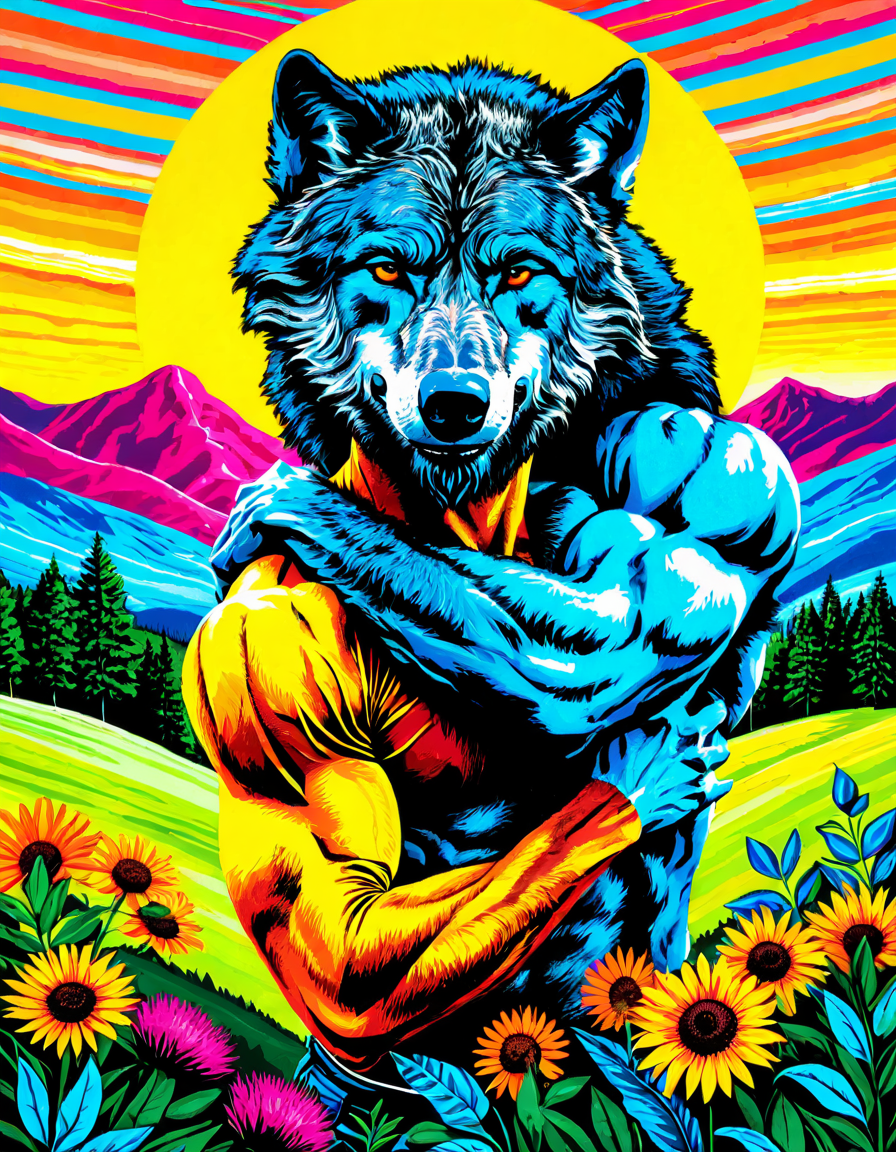
Top 7 Most Memorable Wolfman Depictions in Cinema and Pop Culture
Chaney’s haunting performance set the bar for future depictions. The atmosphere formed by the film’s score and eerie cinematography complements Chaney’s portrayal, giving the Wolfman a tragic humanity that resonates with countless viewers. His masterful display of inner conflict makes his iteration one of the most heart-wrenching.
This reimagined classic showcases del Toro’s intense struggle with his character’s internal demons. Advanced CGI and practical effects create a modern take on the werewolf mythos, enhancing the sense of horror and the emotional weight carried by the transformation. Del Toro’s portrayal strikes a balance between the terrifying monster and the deeply flawed man.
Nicholson presents a different take, embodying heightened senses without a full transformation into a beast. His character grapples with savage instincts while retaining his human form, highlighting the allure and seduction of power, much like how the “gravity falls cast” navigates through the magical and the mundane. Nicholson’s performance navigates themes of influence, identity, and seduction.
Combining humor and horror, John Landis’s classic features a transformative sequence that set a new industry standard, thanks to Rick Baker’s groundbreaking effects work. This film highlights not just bodily transformation, but the emotional toll it can take, balancing comedy with the darker elements of the Wolfman mythos. It turns the horror into a compelling narrative that lingers long after the credits roll.
Michael J. Fox became a household name through this lighter take on the Wolfman lore. This charming story combines teenage angst with supernatural powers, presenting a humorous and relatable spin on the mythical creature. It redefined the Wolfman while becoming a touchstone for teen films, providing solace to those grappling with identity-a theme echoed in works like “Haywire.”
Though not a traditional Wolfman film, “Gremlins” (1984) subtly reflects the transformation themes inherent in werewolf lore. The unpredictable nature of gremlins skews towards chaos, much like the internal struggle faced by a typical Wolfman character. Both stories tap into the darker aspects of humanity, challenging societal norms and showcasing the thin line between man and beast.
In this film, the Wolfman is feral and more animalistic. It explores primal instincts, delving into themes of humanity’s inherent savagery. “The Howling” also critiques society’s fears while presenting a compelling narrative that interacts with age-old wolf lore, much like the struggle evident in the tale of a “bulldog boxer mix,” showcasing an inner turmoil that mirrors human conflict.
The Wolfman in Folklore: Symbolism and Cultural Significance
The story of the Wolfman paints a complex portrait of duality, embodying the battle between our refined selves and our base instincts. This legendary figure serves as a reminder of the savage urges lurking beneath the surface of societal norms. Historically, folklore reflects crucial societal fears, from witch hunts to modern fears of tumultuous change, using the Wolfman as a symbol for the chaos that often resides within.
Throughout cultures, towering myths of the Wolfman resonate with those battling personal conflicts. This tension represents a crucial commentary on the human experience-who we are versus who we fear we might become. The byproducts of societal expectations and the quest for power manifest vividly during transformation, often paralleling individual struggles faced in everyday life.
Modern interpretations of the Wolfman narrative weave psychological elements into the storytelling framework, as seen in contemporary series bringing attention to addiction and trauma. By revisiting these age-old legends, filmmakers breathe new life into timeless stories. They highlight our fears and hopes while drawing parallels to historical events, such as the impact of the Holocaust, emphasizing how enduring mythology and cultural narratives influence modern life.
The Evolution of the Wolfman: From Legend to Modern Media
Tracking the Wolfman’s journey through time reveals its dynamic evolution. As society’s fears shift, the archetype of the Wolfman transforms, mirroring our ongoing explorations of identity, fear, and dominance. Today’s adaptations delve deeper into psychological struggles, exploring how exterior transformations mirror complex internal conflicts.
Films and series have opted for avant-garde storytelling approaches, showcasing nuanced characters that reflect the chaos of modern existence. Netflix’s “Midnight Mass,” for instance, taps into the wolf mythology to explore themes of addiction, spirituality, and redemption, illustrating that the Wolfman remains firmly planted in the psyche of contemporary audiences. These adaptations stay true to the essence of the myth, yet reframe it to address modern dilemmas, revitalizing interest in its legacy.
As indie filmmakers explore the Wolfman trope, they continue to push boundaries, presenting stories that provoke thought as well as feelings. This evolution transforms the emblematic Wolfman into a complex figure- a metaphor for struggles that resonate with filmmakers, industry professionals, and audiences alike, striking a chord amidst our shared humanity.
The Lasting Impact of the Wolfman
The Wolfman endures as a significant figure, straddling the line between fear and empathy. As filmmakers iterate on this captivating character, the Wolfman reveals insights about the darker facets of human nature, inviting us to confront the monstrous parts within ourselves. In doing so, the Wolfman evolves from a source of horror into a mirror reflecting our society’s deep-rooted fears and desires.
Whether through a lens of hysteria or humor-like in “Gremlins” or “Teen Wolf”-the Wolfman’s narrative remains relevant, illustrating the complexity of human experience while exploring age-old myths. By embracing the Wolfman, we engage in a dialogue about what it means to be human, as we reconcile the shadows lurking just beyond our consciousness.
In essence, as we explore the transformative nature of the Wolfman, filmmakers offer rich narratives that entertain while simultaneously engaging our emotions and reflections. The allure of the Wolfman persists, reminding us that as we uncover layers of mythology, we unearth our own humanity, transforming our fears into understanding, connection, and ultimately storytelling that resonates through time.
Wolfman: Secrets Behind the Legendary Creature
Beastly Inspirations
The lore of the wolfman dates back centuries and has roots in various cultures. Interestingly enough, the wolfman’s characteristics often echo certain breeds of dogs, like the Bulldog boxer mix, known for their strength and stocky build. This connection between canines and legends taps into our fascination with the animal kingdom and reinforces the primal fear humans hold towards nature’s more ferocious creatures.
Transformations in Cinema
When it comes to film, the wolfman has taken on various forms. Notably, movies like Haywire And the classic The Wolf Man Showcase transformations that blur the line between human and beast. But beyond cinematic portrayals, the concept of transformation itself is fascinating. Just as a Scarecrow Serves as a guard in the fields, the wolfman acts as a safeguard against the hidden dangers of the nighttime, symbolizing a darker aspect of our subconscious.
Behind the Scenes
Believe it or not, the actors who bring the wolfman to life often undergo intense training. Some even incorporate exercises designed to sharpen their physical skills, like the Single leg squat For balance and agility. Such commitment to the craft can be compared to voice actors from shows like Gravity Falls, who transform their voices to embody their characters fully.
In the world of animation, titles resonate differently, much like how Titan Snk Taps into the concept of a powerful force, paralleling the primal strength associated with the wolfman. And let’s not forget about stunning performances by stars such as Camille Razat, who reminds us that every character, no matter how monstrous, has layers that form their identity. This complexity gives the wolfman a depth that captivates audiences and spurs discussions on humanity’s dual nature.
This article was produced with AI assistance. How Loaded Video uses AI.
Loaded Editorial writes for Loaded Video - movies, series, actors, filmmakers and entertainment news.