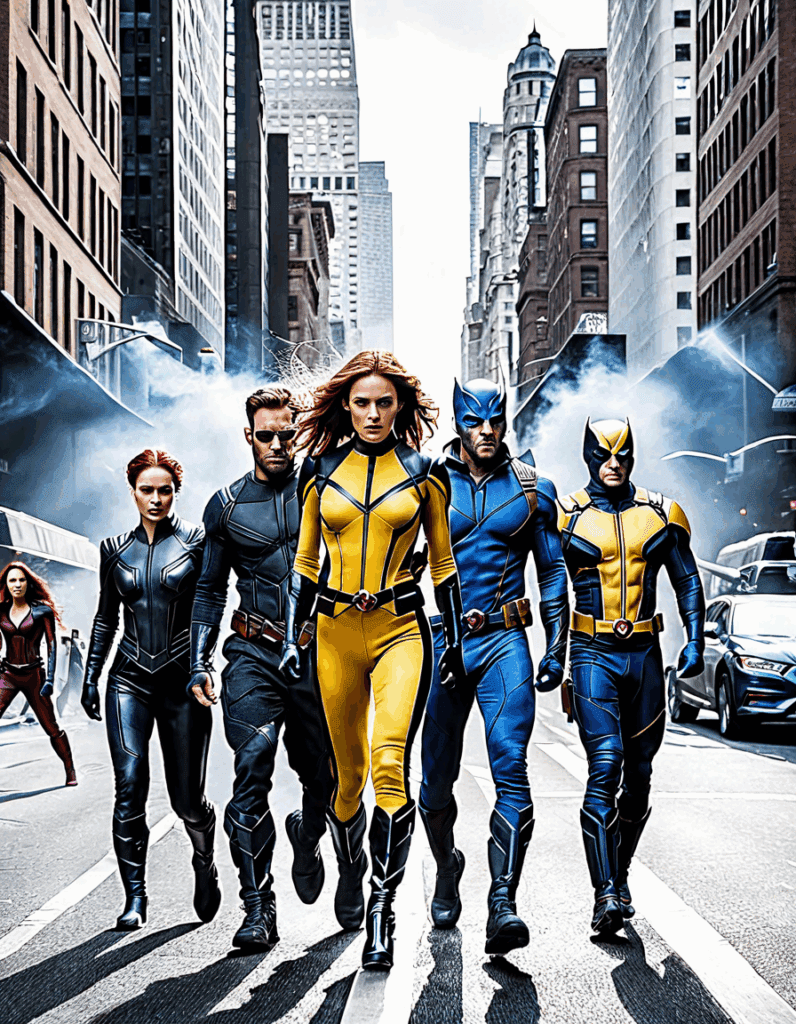
The “X-Men” franchise stands as a monumental pillar in superhero cinema, guiding both independent filmmakers and big studios in storytelling approaches that resonate widely. Understanding the X-Men movies in order Is essential to appreciate their evolved narrative arc and larger impact on the superhero genre. Since the first film hit theaters in 2000, the saga has touched on themes of identity, belonging, and the human condition, which are just as relevant today. Let’s dive into this journey through the X-Men Films, exploring their groundbreaking beginnings to their integration into the Marvel Cinematic Universe (MCU).
1. The Original X-Men Series: Groundbreaking Beginnings
X-Men (2000) Kick-started the superhero movie craze we know today. Directed by Bryan Singer, it introduced pivotal characters like Professor X, Wolverine, and Magneto, establishing a tone laden with moral dilemmas and societal metaphors. The film’s portrayal of mutants as marginalized individuals set a precedent for the exploration of discrimination, drawing parallels to real-world issues. This potent mix of action and commentary significantly influenced how future superhero films were crafted.
Then came X2: X-Men United (2003), expanding upon the foundations laid by its predecessor. This sequel delved deeper into the backgrounds of beloved characters, enriching our understanding of their struggles and strengths. With themes of acceptance and unity, it reflected the anxieties surrounding societal discrimination after events like 9/11. Critics hailed it as one of the best superhero films ever made, and rightly so!
However, X-Men: The Last Stand (2006) Saw a shift, attempting to tackle the infamous “Cure” storyline, a concept reflecting our societal fears about identity and conformity. Despite ambitious aims, the film struggled with balancing multiple arcs and characters, which left some fans feeling dissatisfied. It serves as a notable point of contention among the series, showcasing that even successful franchises can falter.
2. The Prequel Era: Rebooting the Legacy
Fast forward to X-Men: First Class (2011), a series reboot that successfully recast familiar characters. This film brought fresh energy and a historical context to the mutants, setting the story against the backdrop of the Cuban Missile Crisis. By doing so, it cleverly illustrated the socio-political climate of the ’60s while establishing the complex relationship between Charles Xavier and Magneto. This shift breathed new life into the franchise, earning both box office success and critical acclaim.
In X-Men: Days of Future Past (2014), we see a bold move to intertwine the original cast with the new generation, a complex narrative that successfully merged timelines. This film tackled ideas of fate and free will, utilizing time travel for an innovative storytelling approach. Critics praised its ability to balance humor, drama, and action. Additionally, it sparked discussions on generational trauma and identity.
However, X-Men: Apocalypse (2016) Faced challenges. While it explored themes of generational conflict and historical trauma through the ancient mutant Apocalypse, it struggled to resonate with audiences as its predecessors did. The film’s box office performance reflected this disconnect, arguably failing to deliver the same magic as the earlier installments. This divergence highlights the difficulty of maintaining interest over multiple entries in a longstanding franchise.
3. The Final Installments and Spin-offs: Expanding the Universe
In a marked departure, Logan (2017) Presented a gritty, poignant farewell to Wolverine. Far removed from the standard superhero formula, this film stood out as a character-driven piece that deeply resonated with audiences, showcasing raw vulnerability. Logan’s story wrapped up themes of loss and legacy beautifully, earning it critical acclaim and multiple awards.
On the other end of the spectrum, Deadpool (2016) and its sequel in 2018, shook up the comic book film landscape. Investing in irreverent humor and self-awareness, Deadpool pioneered the R-rated superhero genre. By breaking the fourth wall, it refreshed public perception of comic adaptations. Moreover, its commercial success paved the way for other R-rated films within the superhero genre, proving that audiences enjoy a range of storytelling styles.
Conversely, Dark Phoenix (2019) Attempted to adapt one of the beloved comic arcs but ultimately received mixed reviews. Critics pointed to challenges in crafting a cohesive narrative across the series, raising questions about a franchise’s sustainability. The lackluster reception of this film diverts attention from the earlier successes, illustrating the importance of a well-planned narrative in maintaining audience interest.
4. The New Era: Integration into the Marvel Cinematic Universe
Looking ahead, the acquisition of Fox by Disney has prompted exciting speculation about the X-Men’s entrance into the Marvel Cinematic Universe (MCU). Titles like “Deadpool 3” have already ignited discussions, as Marvel looks to blend existing characters with fresh storylines. They plan to deeply integrate the X-Men into the broader MCU narrative, expanding the storytelling potential for existing characters and new audiences alike.
Fan anticipation for new X-Men movies Incorporates character revivals alongside newer figures. As both franchises evolve, the fusion creates opportunities to explore intricate stories and relationships unforeseen in earlier tales. The future holds promise as Marvel continues to blur the lines between unique characters, paving the way for rich storytelling.
Innovative Wrap-Up: The Legacy Beyond the Screen
The “X-Men” saga mirrors the evolution of superhero storytelling, resonating on a nuanced level that transcends mere entertainment. Its exploration of identity, power, and morality speaks to diverse audiences, while the journey of these characters reflects struggles we face today. As we look to the future with high hopes for new X-Men movies in order, the cultural significance of this franchise evolves. The ongoing narrative persists, ensuring that its legacy inspires filmmakers and fans, while expanding beautifully with new adaptations and character developments.
Whether you’re a seasoned fan or a newcomer to the endless tales of mutants, the X-Men Franchise remains a vital part of cinema’s landscape. As we await its next steps in the expansive MCU, we can be sure the saga doesn’t stop here.
Explore more about storytelling in films or dive into unique topics like the Friday Night Funkin, and intriguing personality stories like those of Michael Boulos Or cultural commentary from Noam Chomsky. Every facet of cinema connects us closer, enriching the viewing experience as we decode the films we love!
X Men Movies in Order: A Complete Timeline of the Saga
Unraveling the X-Men Saga
It’s hard to believe that the “X-Men” franchise has been captivating fans for over two decades! The first movie, simply titled X-Men, hit theaters in 2000, and boy, did it change superhero films forever. It brought a blend of drama and action like never before, marking a shift for comic adaptations. Fun fact: this movie also paved the way for a series of interconnected films that fans still obsess over today, reminiscent of the way the storytelling in Nana Manga Intertwines various characters. Speaking of interconnections, did you know that the original comic series was partly inspired by social issues like racism? Kind of like how real-life trials, or even Murphys Law, sometimes unravel in unpredictable ways!
Behind the Scenes of Superhero Evolution
Moving along, X2: X-Men United Quickly became a fan favorite, grossing over $400 million worldwide. Talk about a smash hit! But here’s a quirky tidbit: the film’s director, Bryan Singer, was initially hesitant to include major characters to maintain balance-akin to maintaining harmony while researching How To stop Yourself From Throwing up After a thrilling rollercoaster ride! As for X-Men: First Class, it offered a fresh twist by serving as a prequel, revealing the origins of beloved characters. The stark contrast between the young and seasoned mutants reflected the dynamic nature of storytelling, much like the evolution of styles in Blondie’s music.
Box Office Knockouts and Cultural Impact
And who could ignore the box office bonanza of Deadpool? This film revitalized the franchise by introducing a wacky anti-hero, proving that sometimes a cheeky sense of humor can pack a punch-like the chemistry found in Sexy kissing Scenes that leave fans breathless! With its R-rating, Deadpool Fully embraced the comic book’s raw essence, revealing the franchise’s capacity for growth even after nearly two decades. Lastly, let’s give a shout-out to the diverse ensemble! Much like Long And Foster Navigating market trends, casting directors balanced various talents to create captivating on-screen dynamics. This intricate interweaving showcases the importance of unity, not just among superheroes but also in the storytelling universe.
So there you have it-the X-Men movies in order shaped a genre and brought something fresh into our lives. Each film not only contributed to the overarching saga but also reflected cultural narratives, creating a rich tapestry for us to enjoy!
This article was produced with AI assistance. How Loaded Video uses AI.
Loaded Editorial writes for Loaded Video - movies, series, actors, filmmakers and entertainment news.