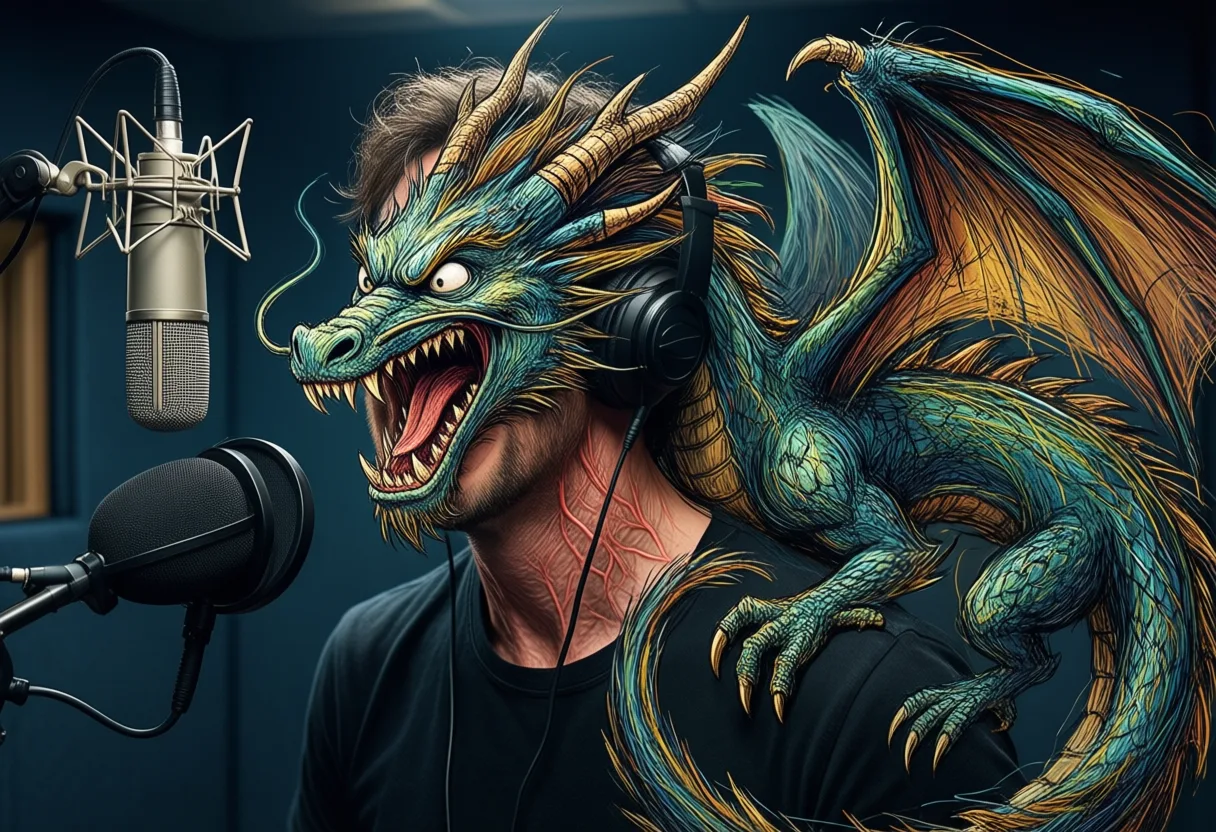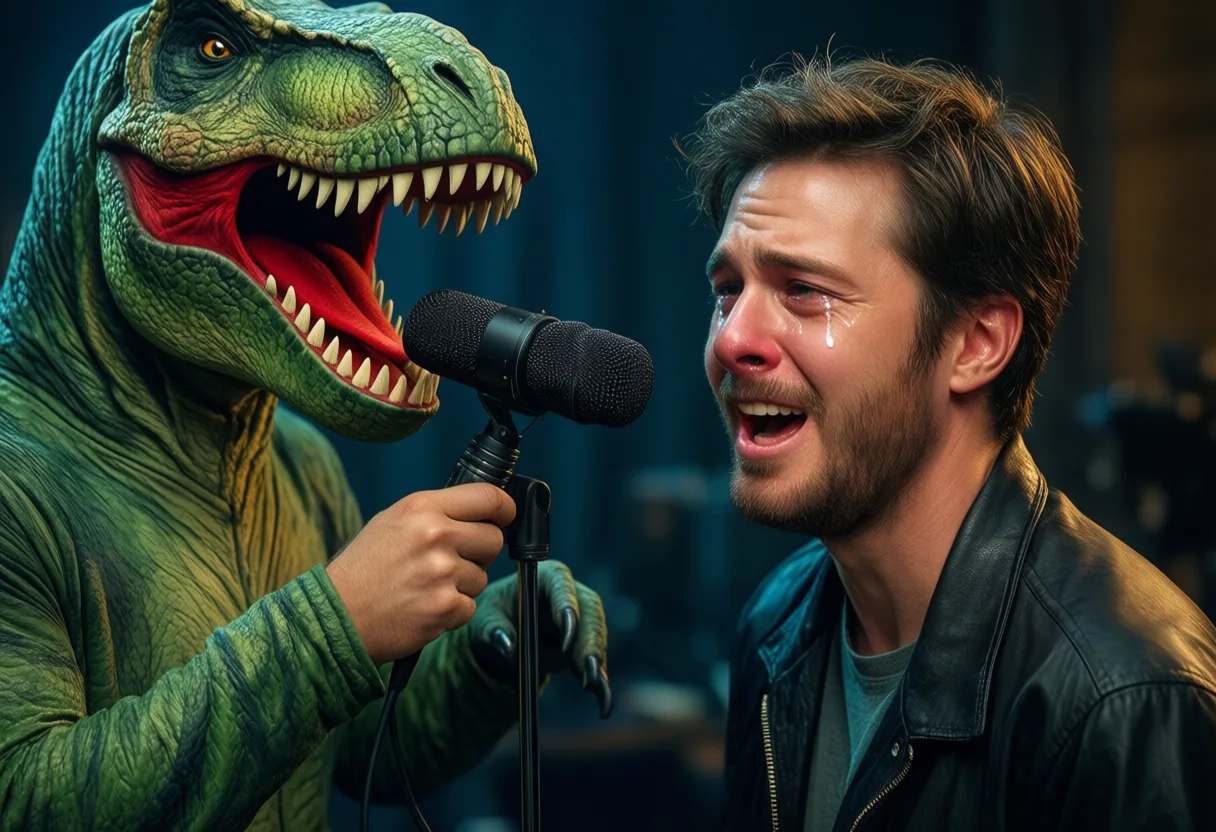

The legendary song “25 or 6 to 4” by Chicago not only resonates as an iconic tune but also embodies that timeless struggle faced by many musicians: the quest for artistic perfection during the early morning hours. This classic track, penned while trying to write a song at 25 or 26 minutes before 4 a.m., captures the essence of those late-night creative sessions that can lead to pure magic-or utter frustration. In this article, we’ll dive into the creative processes behind the beautiful music we love, through the lens of “25 or 6 to 4,” and explore the shared challenges that artists face when trying to craft their next masterpiece.
Music creation often thrives under the cover of darkness. The stillness of the night allows room for reflection, creativity, and spontaneity. But with this inspiration comes an array of struggles. How do today’s artists balance the urge to create with the challenges of nighttime inspiration? Let’s unfold some of these stories.
The Duality of Inspiration: 7 Real Life Artists Who Found Their Best Ideas Late at Night
Many iconic artists have found that their best ideas spark during late-night sessions, echoing the frustrations and triumphs articulated in “25 or 6 to 4.” Below are seven musicians who turned their nightly battles into unforgettable sounds.
Bowie’s electrifying track “Life on Mars?” Came to life during late-night jam sessions, where he found inspiration amid the stillness that only night can bring. The chaos of the nighttime world fueled some of his boldest creations.
As he crafted the groundbreaking album “Songs in the Key of Life,” Wonder often found himself writing in the tranquil hours before dawn, using that quiet to delve into themes that still resonate today.
Swift frequently writes late into the night, tapping into deeper emotions that emerge in the cover of darkness. Her reflective storytelling style, showcased on her album “Folklore,” is deeply rooted in these late-night bursts of creativity.
Mitchell’s night owl tendencies have led to rich, enduring songs like “A Case of You.” The profound stillness of night has long fueled her lyrical depth and distinct melodies.
Known for his fierce dedication and relentless work ethic, West embraces the sleepless hours. His late-night creative process during the making of “My Beautiful Dark Twisted Fantasy” has added to his legendary status.
Eilish often records hits like “When the Party’s Over” during late-night sessions in her brother’s bedroom studio. The intimate atmosphere encourages experimentation, resulting in deeply personal music.
The late music icon’s diverse discography was often birthed in the silence of night. Side anecdotes continuously emerge about him generating songs in the early hours, showing that the stillness fuels more than just creativity.
The Science of Music Creation: How Time Influences Creativity and Output
Working late isn’t just about personal preference; it taps into our biological rhythms and the ambiance of the night. Research suggests that artists often weave stress and late-night experiences into their work. Creating under the glow of moonlight can lead to unique breakthroughs.
For instance, studies indicate that midnight is a prime hour for innovation and deep thinking. This mirrors the struggles depicted in “25 or 6 to 4,” where the wee hours serve as fertile ground for creativity. According to neuroscientist Dr. Andrew Huberman, the brain’s default mode network lights up during these quieter hours, enabling free thought and diverse connections.
Nighttime creation isn’t just about talent; it’s about flipping the switch on inspiration and unlocking creativity through emotional depth and mental exploration. It goes to show that the environment plays a significant role in the art-making process.
Coping with the Struggles of Nighttime Creative Processes
Creating music into the night brings its own challenges, including mental fatigue, isolation, and the relentless pressure of deadlines. Artists wrestle with difficulties that can cloud the light of inspiration.
Prolonged late-night creative sessions can lead to burnout and anxiety. Artists like Eminem candidly discuss their mental health struggles, where creativity’s solitude can worsen feelings of isolation.
Existing under the suffocating weight of time constraints can be overwhelming. Many musicians feel the pressure of producing work that is seen as a commercial success, leading to unhealthy habits.
The challenge of balancing personal relationships with artistic endeavors has been deeply felt by artists like Lady Gaga. They often find themselves prioritizing creativity over personal life, which can strain crucial relationships.
The night is often a double-edged sword for musicians, serving as both a muse and a source of struggle. Finding the right balance remains critical for sustaining long-term creativity.
Crafting the Future Soundtrack: Embracing Technology in Late-Night Sessions
Modern technology is revolutionizing the way artists create after hours. With innovative tools and software available, late-night music creation becomes more accessible and effective.
Software like Ableton Live and FL Studio allows musicians to compose and experiment with sounds without leaving their homes. This accessibility encourages creativity regardless of the hour.
Artists such as Charli XCX take advantage of platforms like TikTok to share their creative processes and receive feedback late at night, creating a new dimension in the feedback loop of artistic creation.
Today’s musicians are exploring AI-generated sounds to inspire new material during nighttime sessions. This intersection of human creativity and technology mirrors the struggles illustrated in “25 or 6 to 4.”
Embracing these advancements doesn’t just streamline the creative process; it fosters a collaborative environment that connects artists with their fans even at odd hours.
An Artistic Legacy: The Lasting Influence of ’25 or 6 to 4′ on Music Culture
“25 or 6 to 4” stands as a metaphorical cornerstone in music creation. It encapsulates the late-night frustrations, revelations, and unyielding pursuit of artistic integrity experienced by countless musicians. As we move into 2024 and beyond, the struggles tied to nighttime creativity remain etched in the fabric of musical culture, permeating across genres and generations.
The legacy of this timeless track serves as a reminder that sleepless nights often yield the most compelling art. This essence of inspiration continues to encourage new artists as they find their voices amid the late-night hours, enriching the world with a diverse soundtrack reflective of human experience.
The creativity drawn from these nocturnal labors is a powerful testament to the dynamic dance between inspiration and perseverance. Just as musicians like Chicago have shown us, the journey toward crafting memorable music is often paved with both struggle and brilliance.
25 or 6 to 4: The Nightly Struggle and Fascinating Trivia
The Song’s Origins and Meaning
“25 or 6 to 4,” the iconic Chicago classic that captures the essence of late-night songwriting struggles, is named after a specific time: 25 or 26 minutes until 4 a.m. This not-so-subtle nod reflects the late-night creative process many musicians face. The song’s writer, Robert Lamm, has noted that it was inspired by his own experiences trying to compose in the wee hours, proving that those trying moments can lead to some of the most memorable tunes. It’s evocative of how 90s Kids Movies Often depicted quirky characters waiting for inspiration to strike, only to have it hit in the strangest moments.
Fun Facts about the Tune
Did you know that the catchy horn riffs in “25 or 6 to 4” were heavily inspired by jazz band arrangements? Chicago’s fusion of rock and jazz was groundbreaking, much like how 1980s Cartoons Mixed humor and adventure in innovative ways. Moreover, the song’s popularity soared after its release in 1970, becoming a staple in rock radio playlists. Its timeless appeal even caught the attention of notable figures like Aoki Simmons, who have channeled that late-night energy into their own creative endeavors.
Cultural Impact and Trivia
The legacy of “25 or 6 to 4” extends beyond just music; it’s been part of various films and TV shows, cementing its cultural relevance. Chicago’s talent doesn’t just end with this song. For instance, many musicians have turned their experiences at military bases like Fort Gordon Into album material, fostering strong narratives through their tunes. On a different note, the struggles of artists resonate widely, even connecting back to studies on mental health and the Highest suicide rate by state, reminding us all of the importance of artistic expression in coping with life’s challenges. In honoring the song’s journey, we also celebrate the innovators who pull from their inspirations and blend them into the fabric of pop culture, ensuring that gems like “25 or 6 to 4” remain beloved across generations.
What is the meaning of 25 or 6 to 4?
What key is 25 or 6 to 4?
Is 25 or 6 to 4 a good song?
Does brain stew sample 25 or 6 to 4?
What Led Zeppelin song sounds like 25 or 6 to 4?
What does the Chicago song mean?
How to play 25 or 6 to 4 on bass guitar?
What time signature is 25 or 6 to 4?
Does anybody know what time chords?
Is 25 or 6 to 4 about drugs?
What songs use 6 4?
Why did Peter Cetera leave Chicago?
What is the meaning behind the song 25 or 6 to 4?
What song sounds similar to 25 or 6 to 4?
Who sings 25 or 6 to 4?
How do you tell which key is which?
What key is four?
What key is four on six in?
What key is 6s to 9s in?
What is the meaning of 6 and 4?
What do you mean by 25?
Who wrote 25 or 6 to 4 by Chicago?
This article was produced with AI assistance. How Loaded Video uses AI.
Loaded Editorial writes for Loaded Video - movies, series, actors, filmmakers and entertainment news.