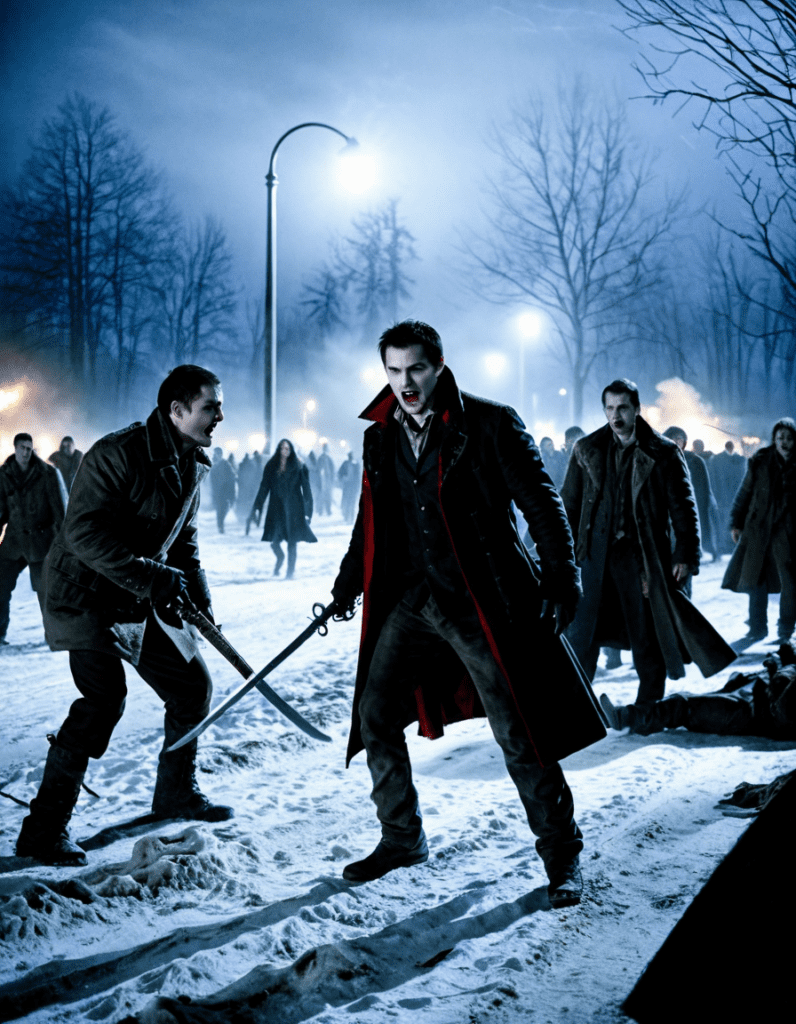
Dystopia has long captured the imagination of readers and filmmakers alike. It often paints a grim picture of society where individuals face oppressive regimes, environmental disasters, and societal collapses. These narratives tap into our deepest fears and anxieties, urging us to reflect on the direction our world is heading. In a time when reality often feels stranger than fiction, examining these dystopian themes in literature reveals much about our contemporary lives and anxieties.
7 Distinct Dystopian Themes That Shape Modern Fears
Dystopian narratives are more than just tales of despair. They serve as mirrors reflecting societal issues, pushing us to confront our current realities. Here’s a look at seven compelling themes that have emerged throughout dystopian literature, each offering insights into our modern fears.

1. Totalitarian Control: The Extent of Government Authority
George Orwell’s 1984 Offers a chilling depiction of government overreach through the surveillance of Big Brother. The fear of totalitarian regimes resonates strongly today, especially concerning countries like China, which have normalized extensive surveillance measures, exemplified by their Social Credit System. This theme challenges readers to consider how much freedom they might be sacrificing under the guise of security-reminding us that not all protection is beneficial.
Totalitarian control in dystopian fiction enlightens us on the subtle ways authority can manipulate public perception. The phrase “Big Brother is watching you” has transcended literature, now symbolizing real-world issues of privacy invasion. It compels us to remain vigilant against governmental encroachments while questioning the compromises we accept in exchange for safety.
2. Environmental Catastrophe: Climate Change Realities
Octavia Butler’s Parable of the Sower Depicts a world deeply scarred by climate change. As we grapple with unprecedented weather events and rising global temperatures, her portrayal hits home-creating a sense of urgency. We find ourselves wrestling with ecological realities that echo Butler’s world, facing dire consequences if we do not make sustainable choices.
These narratives serve as a wake-up call, propelling discussions about environmental responsibility. Books like Butler’s encourage readers to consider their role in tackling climate change and advocating for policy reforms. As we confront our current ecological crisis, the importance of these stories becomes increasingly evident, offering hope that change is possible through collective action.
3. Technology and Human Disconnect: The Rise of AI
Ray Bradbury’s Fahrenheit 451 Critiques the desensitizing effects of technology on human relationships. In today’s hyper-connected world, social media governs our interactions, often replacing face-to-face communication with virtual engagement. The book emphasizes how reliance on devices can lead to disconnection from one another, causing us to question our reality.
As artificial intelligence evolves rapidly, readers may again find themselves pondering technology’s role in shaping human experiences. Are we enhancing our lives or stunting meaningful connections? Bradbury’s warnings force us to reflect on the balance between technology and authentic emotional bonds, reminding us of the value of true interaction in an increasingly digital landscape.
4. The Dismantling of Individual Identity: Collective Fear
In Aldous Huxley’s Brave New World, individuality is sacrificed for the sake of stability. This theme resonates strongly in our polarized political climate, where dissenting opinions meet with fierce backlash. Huxley’s vision serves as a warning against conformity, where the authenticity of individual identity risks being lost amid pressure to fit in.
Many today feel that expressing differing views leads to social ostracism, prompting introspection about the essence of identity. The collective fear of nonconformity alerts us to cultural trends that stifle uniqueness. Exploring Huxley’s themes invites discussions about the importance of personal expression in navigating today’s homogenizing culture.
5. Economic Disparity: The Divide Between Classes
Suzanne Collins’ The Hunger Games Series starkly contrasts wealth and poverty within its dystopian setting. The series mirrors real-world issues of income inequality, where the gulf between rich and poor grows wider. This narrative resonates amid growing concerns that social mobility is becoming more inaccessible.
The story encourages readers to empathize with those at the bottom of the socioeconomic ladder while reflecting on systemic injustices. The contrasts depicted evoke a sense of urgency for change and serve as a reminder that, just like in the fictional districts of Collins’ world, real-world disparities demand our attention and action.
6. Pandemics and Public Health: Societal Breakdown
Emily St. John Mandel’s Station Eleven Explores the aftermath of a global flu pandemic, showcasing societal breakdown and human resilience. Following COVID-19, the themes have taken center stage, revealing existing vulnerabilities in health systems. These narratives prompt discussions about preparedness and the fragility of societal structures when faced with health crises.
The interplay of human relationships during disasters highlights that community bonds can be our saving grace. As we reflect on pandemic experiences, we can draw lessons from literature, envisioning a future where health infrastructure and societal solidarity are prioritized. The fear of pandemics strengthens calls for better preparedness-a goal worth striving for.
7. Loss of Free Will: The Influence of Corporations
Margaret Atwood’s The Handmaid’s Tale Highlights the loss of autonomy within a corporate-dominated society, evoking fears of consumer manipulation. With tech giants increasingly dictating public opinion, readers are prompted to consider how their choices are influenced by external corporate interests. Are our decisions truly our own?
As corporations exert more power over daily lives, Atwood’s warnings resonate deeply, urging us to examine biases in our consumption. Recognizing these influences can help us reclaim our autonomy in a marketplace where choices are often pre-determined. Contemplating our responsibilities as consumers fosters a more thoughtful approach to engagement in a corporately driven world.
Dystopia’s Enduring Impact on Society
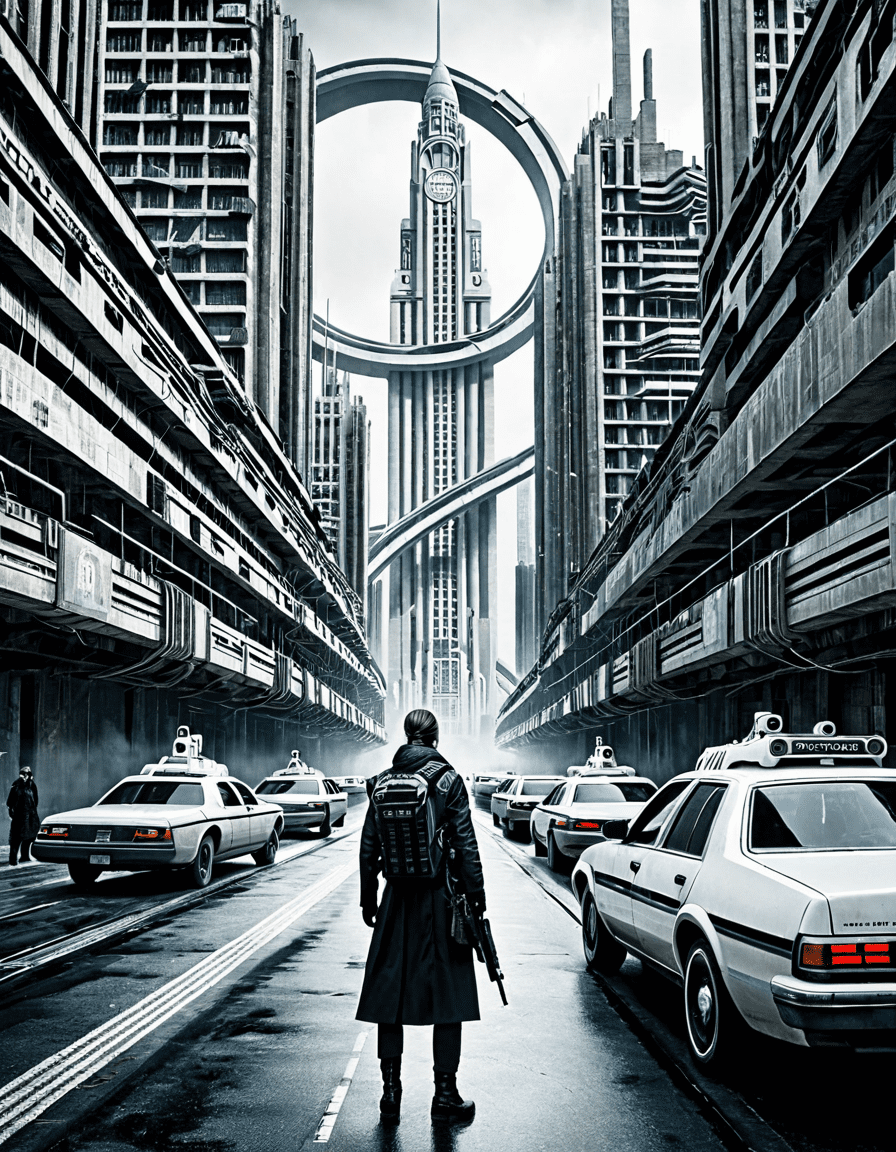
Dystopian literature serves more than an entertainment purpose-it holds up a mirror to societal fears, prompting reflection and dialogue. As cultural dynamics shift, these stories remain relevant, encapsulating urgent discussions about our future. By tackling themes like oppressive surveillance, environmental collapse, and social disparity, they compel us to confront realities that affect our lives today.
Each narrative invites us down a path of self-discovery and responsibility. Engaging with dystopian fiction helps us not only acknowledge fears but also envision a more resilient reality. Understanding these themes encourages proactive responses to the challenges we face, transforming our insights into actionable change. Through the lens of fiction, we gather the courage to effect change in our tangible world.
In a society grappling with uncertainties, Dystopia Challenges us to confront our fears while inspiring hope. By recognizing the devastating consequences while advocating for a brighter future, we uphold the spirit of resilience that these tales embody. Its impact, much like a classic Carvel ice cream cake On a celebratory occasion, reminds us that even in dark narratives, hope remains a flavorful promise patting us on the back.
As you navigate your journey in film, literature, or life, the lessons of dystopia serve as a clarion call-to engage, to reflect, and to reshape our reality before it spirals down a path far more grim. Whether referencing the enigmatic world of Kermit The Frog Or the myriad expressions of pop culture, we find hope in dialogue, action, and the unmistakable human spirit.
Diving into the profound depths of dystopia leads us not only to grappling with our existential fears but also to igniting dynamic conversations about the future we want to create.
Dystopia: A Mirror to Our Fears
The Haunting Origins of Dystopia
Dystopia isn’t just a genre; it’s a cultural lens through which we explore society’s worst fears. From George Orwell’s chilling vision in 1984 To the chaotic realms of The Hunger Games, dystopian narratives force us to confront our darkest thoughts. Interestingly, the term “dystopia” itself was coined as an ironic response to Utopia, a concept we often associate with the likes of Thomas More. The stark contrast serves as an unsettling reality check, reminding us of the fragility of civilization. Speaking of fragility, did you know that X-Men, a revolutionary comic series, tackles themes of fear and prejudice, mirroring societal issues similar to those depicted in dystopian literature?
Dystopia in Pop Culture
Dystopia has reached far beyond the pages of books and movies. It’s prevalent in pop culture, blending into various aspects of our lives. Take Brigham Young, for instance, whose teachings and societal structuring resonate with those struggling against oppressive regimes, imaginative as they may seem. It’s fascinating how the echoes of dystopian fears seep into everyday conversations, especially when discussing complicated topics like economics-like the fluctuating Naira To dollar Exchange rates, which reflect a society’s stability and governance. These elements ground the fantastical in reality, making us think twice about the state of our world.
Pets in Dystopian Scenarios?
Believe it or not, even our beloved pets have a role in these narratives. Imagine a Dog breed That Looks like a mop Reflecting the chaotic yet endearing aspects of dystopia. These peculiar companions can symbolize the absurdity of maintaining normalcy amidst a decaying world. Additionally, the idea of Hell, whether imagined or real, is a frequent motif in dystopian works, often symbolizing the consequences of societal collapse-a theme that hooks readers and viewers alike. And for a feel-good twist, it’s great to see the spirit of Christmas Chronicles, infused with hope and resilience, standing in stark contrast to bleak dystopian tales. It reminds us that while fear is a predominant theme, so is the desire for redemption and joy.
Dystopia may conjure images of bleak futures, yet it also sparks crucial conversations about our present. This genre captivates us with its chilling projections, compelling us to reflect on societal trends while valuing the rays of hope that persist despite adversities.
This article was produced with AI assistance. How Loaded Video uses AI.
Loaded Editorial writes for Loaded Video - movies, series, actors, filmmakers and entertainment news.