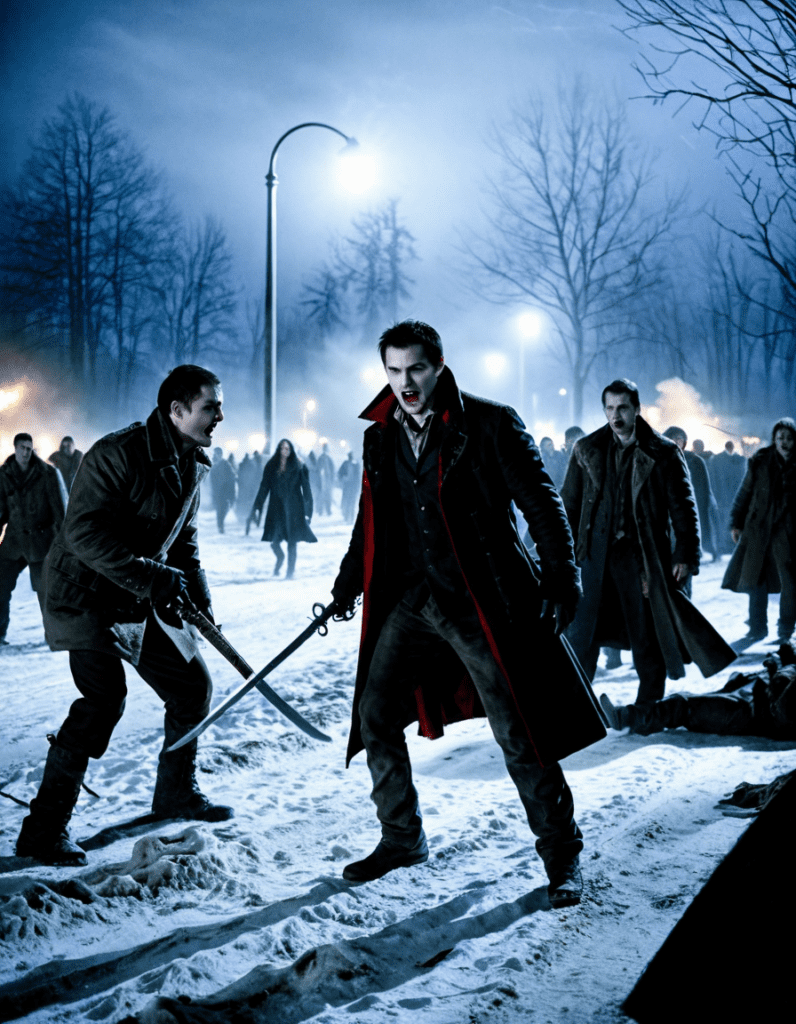

Unveiling the Secrets of Hell: A Look into Underground Mysticism and The Occult
Hell-just the mention of it conjures up images of flames, demons, and eternal suffering. But beneath this common perception lies a complex tapestry of myths and interpretations that span cultures and centuries. From ancient scriptures to modern literature, hell has captured our imaginations and shaped our understanding of morality, justice, and the human condition. Buckle up; we’re about to dive into the stories and ideas surrounding hell that will boggle your mind.
1. The Dark History of Hell: 7 Myths Debunked
Hell isn’t just a creation of medieval imaginations; its history is rich with diverse interpretations and misunderstandings. Let’s dissect seven of the most prevalent myths about hell that reveal the ongoing evolution of its concept.
Many envision hell as a blazing inferno thanks to Dante Alighieri’s “Inferno,” but ancient civilizations like the Sumerians depicted it as a gloomy, shadow-laden afterlife. Rather than being torched endlessly, souls in these mythologies faced a dreary existence.
Popular culture often attributes hell’s governance solely to the Devil. However, beliefs from Zoroastrianism highlight a more complex landscape, where beings like Angra Mainyu counterbalance good and evil. Hell reflects a battleground, not just a dominion.
Many cultures boast their own viewpoints on punishment in the afterlife. Egyptian beliefs introduce the Duat, while Hinduism offers Naraka. Such interpretations showcase universal notions of justice that transcend the Christian narrative.
Unlike the rigid Christian idea of eternal damnation, certain Buddhist sects propose ideas of cyclical existence. This perspective transforms the concept of suffering and allows forgiveness, reshaping our understanding of hell.
Modern psychological theories suggest that hell could be a state of mind. Instead of a fiery pit, it may symbolize unresolved trauma, signifying that hell might be a personal experience rather than a specific place.
Many beliefs propose that even virtuous lives can face hellish experiences. Existentialist philosophies indicate that moral ambiguities often lead to inner turmoil, emphasizing hell as a product of one’s life choices.
While we might think of hell as a universally accepted concept, each culture presents a different interpretation. For instance, Japanese “Jigoku” illustrates moral teachings and societal reflections, suggesting that hell is deeply entrenched in cultural identity.
2. 5 Unconventional Representations of Hell in Film and Literature
Hell has been depicted in various creative works, presenting fresh insights and perspectives rather than conforming to traditional imagery. Here are five remarkable interpretations that provoke thought.
Visually enchanting, this film portrays hell as a reflection of one’s personal struggles and anguish. Instead of flames, it illustrates a haunting, imaginative landscape where hell becomes an extension of one’s worst fears.
Far beyond a mere tale of punishment, Dante’s work serves as a reflection of societal anxieties and moral quandaries during his time. Readers find themselves grappling with ethical questions, turning the narrative into a philosophical exploration.
In this horror classic, hell is depicted not just as punishment, but as a labyrinth of desires. It challenges audiences to confront their darkest urges, intertwining pain with pleasure, blurring the lines between horror and ecstasy.
This novel uniquely navigates hell-not as mere torment but as a space highlighting grief and acceptance. Our protagonist’s journey portrays hell as a bridge between life and afterlife, resonating with the themes of loss and healing.
Gaiman’s exploration of mythology offers a varied perspective on hell, where ancient beliefs clash with modern interpretations. Characters like Mr. Wednesday illustrate how divine narratives evolve, taking shape in contemporary contexts and cultures.

3. The Psychology of Fear: Why Hell Resonates in Our Society
The notion of hell taps into our fears but also reveals profound psychological layers behind this persistent theme. Let’s uncover why hell continues to resonate deeply in our collective consciousness today.
Fear of hell can often nudge us to adhere to moral codes. Studies reveal that reminders of hellish concepts lead to improved ethical behavior, showing how fear can act as a compass for moral decision-making.
Engaging with narratives that explore hell enables audiences to confront their existential fears. This experience becomes more than entertainment; it fosters emotional healing and nurtures conversations around difficult topics like loss and forgiveness.
The reflections on hell extend into cultural frameworks, shaping social norms. The fear of hell can influence everything from laws to traditional practices, emphasizing its role in guiding community values and moral conduct.
4. Cultural Perspectives on Hell: How Different Religions Interpret Damnation
Examining hell from various religious doctrines broadens our understanding of how these traditions influence moral teachings and societal values. Let’s explore the perspectives of different cultures on hell and punishment.
Christianity generally portrays hell as a place of eternal separation from God, whereas Buddhism introduces Naraka-a temporary state influenced by one’s karma. This contrast underlines varied perceptions of justice and redemption across faiths.
For Hindu believers, hell serves a critical role in cosmic justice, reflecting the consequences of one’s actions in the cycle of rebirth. This interconnectedness promotes a broader understanding that transcends dualities of good versus evil.
Many indigenous cultures perceive hell through the lens of natural consequences rather than supernatural punishment. Their emphasis on balance and harmony contrasts sharply with more rigid constructions of hell found in Western beliefs.
5. Modern-Day Hell: A Look into Contemporary Discussions around Punishment and Justice
As society advances, our ideas of justice and punishment reflect an evolution of the hell concept to align with contemporary ethics. Here, we’ll discuss how hell is resurfaced in discussions about justice today.
Debates about capital punishment echo notions of hell on Earth-indicating societal judgments rooted in moral accountability. This raises significant discussions about ethical responsibilities and the implications of punitive fears.
A shift toward rehabilitation emerges in modern discussions about punishment. Many advocate for healing and restoration rather than traditional punitive measures, challenging longstanding perceptions of justice.
As social movements grow, conversations about oppression and injustice elucidate modern-day hells faced by marginalized communities. Acknowledging these realities calls for empathy and requires society to confront its moral shortcomings.
In wrapping up our exploration of hell, we uncover that this ancient concept carries a multitude of interpretations, from the tales we tell in films to the discussions we have about justice. The representation of hell, whether glowing or shadowed, often serves as a reflection of our fears, desires, and moral questions. By peeling back the layers of these narratives, we offer ourselves a chance to understand the complexities of the human experience and foster empathy that transcends the idea of mere punishment. Rather than a straightforward portrayal of doom, hell emerges as a thought-provoking crossroads of existence, offering us deeper insights into our collective journey.
As we navigate our shared narrative, it’s essential to remember that understanding these secrets might just illuminate paths to empathy and compassion in our ever-evolving world.
Hell’s Fiery Secrets That Will Shock You
Hell in Pop Culture
Hell has always played a major role in storytelling, influencing everything from poetry to movies and music. Think about it-how many flicks have portrayed hell as a fiery underworld? This imagery often reflects the fears and moral dilemmas of society. For instance, films featuring characters like Tom Blyth Show a stark contrast between good and evil, driving home the idea of hell as a punishment for those who stray off the righteous path. Interestingly, the “X-Men” series dives into themes of acceptance and prejudice, arguably hinting that societal hell can exist right here on Earth. The blending of these ideas captures the imagination, urging audiences to confront their own beliefs about good and evil.
The Music Connection
Move over, Broadway; hell has found its way into chart-topping songs, too! A classic example is the catchy track “Bleeding Love,” which strangely captures despair and heartache as if it were its own version of hell. Music taps into those intense emotions, resonating with listeners long after the music stops. Moreover, Olivia Newton-John’s tunes may seem like bright pop anthems, but they also carry an edge, highlighting the struggles many face while searching for light amid darkness. The unexpected twists in lyrics can lead us to ponder our personal ‘hells’-the moments that feel particularly tough to bear.
Depictions and Impressions
Moving along the timeline, the portrayal of hell has shifted dramatically throughout history. From Dante’s vivid interpretations to modern film narratives, such as those featuring Samara Weaving, the depiction has been anything but static. Today’s audiences experience hell through the lens of DystopiaN storytelling, showcasing societies where personal freedoms are vanquished-a figurative hell on Earth. Such narratives challenge viewers to empathize with those trapped in oppressive conditions. Meanwhile, whimsical characters like Kermit The Frog Remind us that even in the darkest tales, there’s room for lightheartedness, emphasizing that hell’s presence can often be tempered by humor and resilience.
So there you have it-a engaging peek into the many facets of hell across culture and music. This exploration invites us to reflect on our own journeys and the metaphoric hells we navigate daily, providing a rich backdrop for discussing our shared human experiences.
This article was produced with AI assistance. How Loaded Video uses AI.
Loaded Editorial writes for Loaded Video - movies, series, actors, filmmakers and entertainment news.