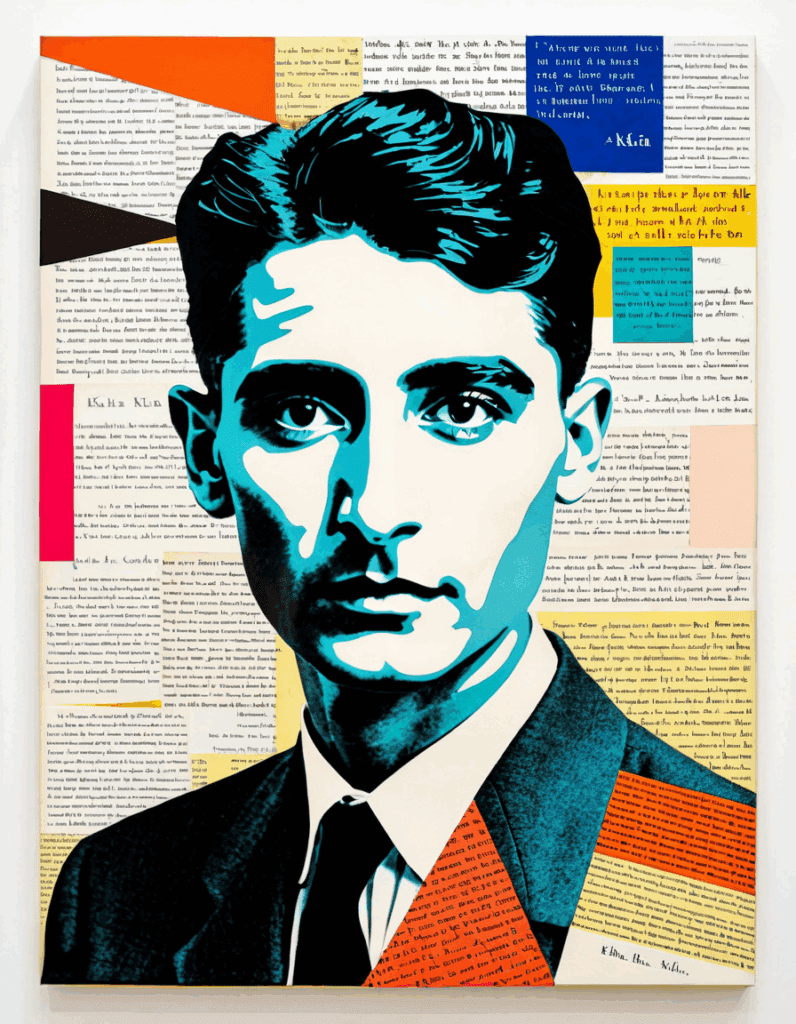
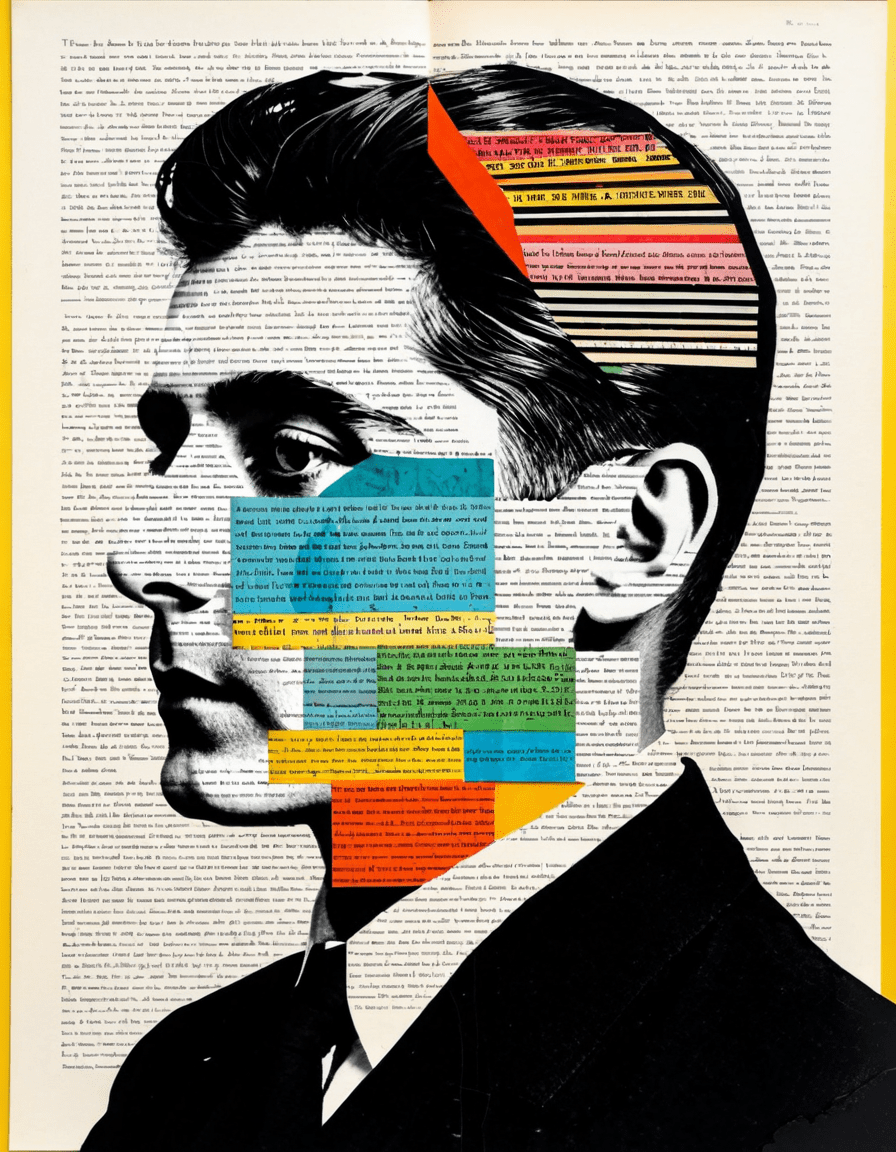
Franz Kafka stands as a towering figure within the literary canon. Born in Prague in 1883, Kafka’s life and works resonate deeply with both contemporary and historical audiences. His unique narrative style, existential themes, and exploration of the human condition have left an indelible mark on writers, filmmakers, and thinkers across the globe. Here’s an in-depth examination of Kafka’s life, the major themes of his work, and the unparalleled legacy he has left behind.
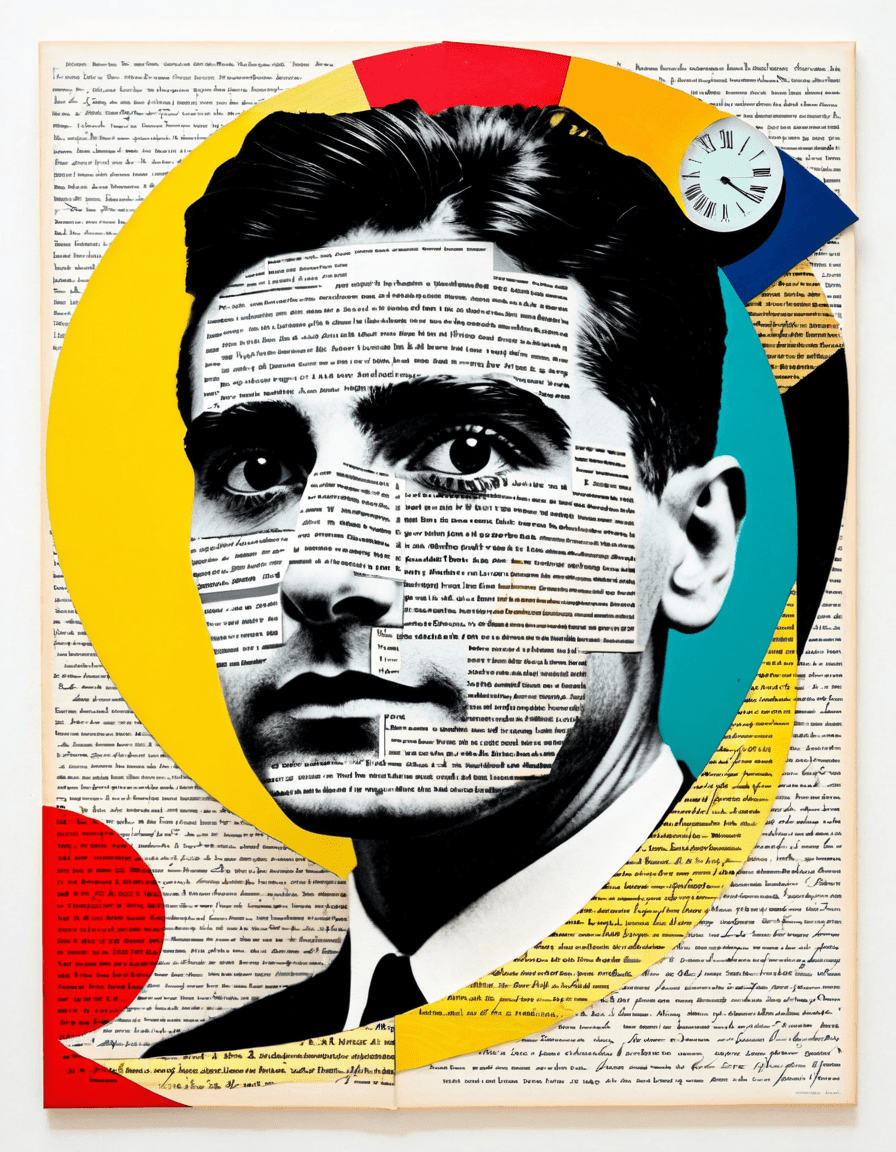
7 Key Aspects of Franz Kafka’s Influence on Modern Literature and Art
1. Existentialism and Absurdism
Kafka’s works typically delve into existential themes, notably the struggle of the individual against an incomprehensible and often indifferent universe. For example, in The Metamorphosis, the protagonist Gregor Samsa’s surreal transformation into a giant insect serves as a poignant metaphor for alienation. This situation resonates deeply with thinkers like Jean-Paul Sartre and Albert Camus, who also grappled with similar themes in their philosophies. Modern filmmakers, such as Charlie Kaufman, have embraced this Kafkaesque essence, with movies like Synecdoche, New York Exploring identity and existential dread.
2. The City as a Character
Urban settings often take center stage in Kafka’s narratives, presenting modernity tinged with desolation. In The Trial, the city functions as a labyrinth, mirroring the bureaucratic nightmares Kafka critiques. This portrayal has inspired directors like Fritz Lang, whose iconic film Metropolis Captures the alienation inherent in city life. Thanks to Kafka, the theme of the urban environment as a character is prevalent in contemporary narratives like Salem’s Lot, where cities reflect the psychological landscapes of their inhabitants.
3. Dream Logic and Surrealism
Kafka’s unique narrative style echoes the subconscious, utilizing dream-like logic to untangle complex human emotions and desires. His work set the stage for modern surrealists, particularly David Lynch, whose films like Mulholland Drive Resonate with Kafkaesque sensibilities. The impact of dream logic extends into contemporary literature, influencing writers like Haruki Murakami, who artistic fusion of the surreal with mundane reality illustrates a continuation of Kafka’s transformative approach.
4. Isolation and Alienation
A key theme in Kafka’s work is the profound sense of isolation experienced by his characters. This theme resonates with today’s fast-paced, digital world where many feel disconnected. Writers like Albert Camus echo these sentiments, and even graphic novels such as Daniel Clowes’ Ghost World Illustrate this alienation. By mirroring Kafka’s struggles with social connections, these modern narratives prompt us to reflect on our own experiences of loneliness.
5. Legal and Bureaucratic Nightmares
Kafka’s intense scrutiny of legal systems shines through in The Trial, igniting discussions surrounding justice and bureaucracy-topics that remain incredibly relevant today. The term “Kafkaesque” has entered the cultural lexicon to describe surreal, illogical situations tied to institutional frameworks, penetrating various aspects of society. This influence extends to films like The Chancellor, directed by Benny and Josh Safdie, which critically examines bureaucratic dysfunction through a darkly comedic lens.
6. Themes of Identity and Transformation
Franz Kafka’s narratives frequently prioritize the exploration of identity and transformation. Characters like Gregor Samsa endure monumental ruptures in their sense of self, which sparks a larger conversation around identity, migration, and cultural transformation. This exploration is echoed in works by Chimamanda Ngozi Adichie, whose novel Americanah Examines the nuances of cultural identity in today’s globalized society.
7. Cultural Resurgence in a Digital Age
In the 21st century, Kafka’s influence has seen a significant revival, marked by reinterpretations across literature, film, and visual arts. The Kafka Project By artist Anja Brunner exemplifies how contemporary artists are reimagining Kafka’s worlds. Moreover, as digital platforms facilitate discussions about his impact, his legacy not only endures but thrives within contemporary cultural narratives, encouraging new generations to engage with his work.

The Enduring Legacy of Kafka in Contemporary Culture
Franz Kafka’s profound influence on literature and art is woven intricately into modern thought and creativity. His examination of existential dilemmas, absurd societal norms, and fragmented identities continue to resonate in today’s discourse, echoing through the works of contemporary creators. We find ourselves in a world rife with bureaucratic entanglements, overwhelming digital isolation, and psychological struggles; Kafka’s insights are more relevant than ever.
Kafka’s genius persists as a guiding light, beckoning those daring enough to confront the difficult questions of existence. Through his stories, we glean insights into our complexities, opening pathways for deeper reflections on the human experience. Artists and writers of all kinds draw upon Kafka’s innovative narrative techniques, ensuring his legacy endures and thrives in new contexts and interpretations, much like the themes of identity and transformation depicted in Gandhi.
As we look forward, understanding the extraordinary life and work of Kafka not only enriches our appreciation for literature but also inspires filmmakers, writers, and artists to continue pushing boundaries within their own crafts. Embracing Kafka as part of the cultural zeitgeist keeps our conversations about existence alive, allowing his profound influence to resonate across generations. From the surreal to the absurd, Kafka remains an emblematic figure whose works remain as engaging today as they were at their inception.
Kafka: Fun Trivia and Interesting Facts
Kafka’s Peculiar Inspirations
Did you know that Franz kafka Had a penchant for the bizarre? This literary genius was deeply influenced by his life experiences, but it’s his affinity for the uncanny that stands out. For instance, while he was working at an insurance company, kafka felt crushed under the monotony, mirroring themes that often appeared in his work. Speaking of peculiar, the Lien holder meaning Resonates with kafka’s obsession with entrapment and the bureaucratic nightmare that defines some of his most famous stories, like The Metamorphosis.
Fun fact - kafka was famous for his nocturnal writing habits. He often penned his most haunting tales after dark, spinning yarns that would leave readers both perplexed and enchanted. In a way, his creative process almost feels like a game, much like the dynamic strategies found in Beyblade x, where players twist and turn into unforeseen outcomes. Kafka’s ability to surprise his readers is akin to those twisty battles.
Kafka’s Legacy and Influence
Beyond the written word, kafka’s impact has seeped into various cultural mediums. His works inspired adaptations across film, theater, and even modern art! You might associate kafka with films that capture the absurdity of life, much like the comedic mischief found in Paul Blart, where the protagonist navigates a surreal world in his own right. This intersection of reality and absurdity has made kafka a source of endless inspiration for storytellers over the decades.
Interestingly, his influence extends as far as contemporary pop culture. For instance, you can spot Kafka-esque themes in popular franchises, perhaps even in surprising places, like the great performances from stars as diverse as the Unprisoned cast, which tackle intricate personal struggles. Moreover, his legacy is mirrored in today’s society with figures like Lucky Blue smith, embracing their artistic sides while remaining mired in complexities akin to those kafka often portrayed. It’s fascinating how a figure from the early 20th century continues to resonate with modern audiences.
Kafka in Today’s Culture
Today, kafka is more relevant than ever, echoing through various mediums - even in music! Who would’ve thought that his themes align with the catchy beats of Bts? Their lyrics explore existential struggles that wouldn’t feel out of place in a kafka novel. It’s this connection that keeps kafka alive in our conversations, making us reflect on our own identities.
If you’re a fan of horror, you might find commonality in Salem’s Lot, where characters grapple with the eerie unknown, reminiscent of the uncertainty found in kafka’s work. His tales may haunt you, but they also compel readers to confront their own fears and dilemmas, making kafka an essential figure in understanding the human experience. So the next time you pick up a kafka book, remember: you’re not just reading; you’re entering a world that’s still shaping cultural narratives today!
This article was produced with AI assistance. How Loaded Video uses AI.
Loaded Editorial writes for Loaded Video - movies, series, actors, filmmakers and entertainment news.