

The red carpet still gleams under spotlights, but the real premiere now often happens in silence-behind login screens, inside data centers humming with unseen algorithms. For independent filmmakers, the path from festival buzz to audience eyes has quietly rerouted through a new kind of gatekeeper: mid-tier Streaming platforms Backed by late-stage venture capital. These services don’t dominate headlines like the giants, but they’re rewriting the rules of who gets seen-and how.
The Indie Distribution Landscape Before the Streaming Surge
For decades, Independent cinema Lived on the margins of a rigid system. Getting a film into theaters required the blessing of a few powerful distributors, each with their own taste, timing, and territorial logic. Festival laurels meant little without a handshake deal, and even award-winning films could vanish into obscurity if they didn’t fit the mold of what was deemed commercially viable.
Distribution was a game of gatekeepers and geography. A breakout at Sundance might earn a seven-figure deal, but more often, Filmmakers Faced years of festival hopping, DVD sales, and patchwork VOD releases just to recoup their budget. Theatrical runs were brief, often limited to a handful of cities, and national exposure felt like a lottery win.
Marketing was another hurdle. Without studio muscle, word-of-mouth had to travel slowly, carried by Film critics, college screenings, and grassroots campaigns. A film’s success depended not just on quality, but on persistence, connections, and luck. The dream of wide reach felt distant for most creators working outside the system.
How Niche Platforms Began Challenging Traditional Release Models
Then came the quiet rise of Digital-first platforms Built not for blockbusters, but for stories the mainstream overlooked. These services didn’t need marquee stars or $20 million budgets-they thrived on authenticity, specificity, and the loyalty of underserved audiences. At first, they operated like curated boutiques, offering a home for documentaries, regional cinema, and experimental narratives.
Their model was simple: lower overhead, global delivery, and direct access. Instead of waiting for a distributor to option rights, filmmakers could now pitch directly to Platforms That valued data over pedigree. A film about rural weaving traditions in Oaxaca could find its audience not in New York or LA, but in pockets of viewers scattered across Europe, Australia, and Japan.
These platforms didn’t just distribute-they cultivated. They built communities around genres, languages, and themes, turning niche into network. A microbudget horror film shot on a smartphone could gain traction through algorithmic discovery, then snowball into a cult following. The power to reach viewers no longer required a studio stamp.
Why Mid-Tier Streamers Are Now Gatekeepers for Festival Films
Today, the most sought-after meetings at film festivals aren’t with A-list producers-they’re with acquisition scouts from mid-tier streaming services. These platforms, often backed by Series C funding rounds, have the capital to make bold bets on unproven talent. They move fast, offer clear terms, and promise visibility within months, not years.
They’ve become the new tastemakers, shaping what independent cinema looks like in the 2020s. Where traditional distributors once filtered films through a narrow commercial lens, these streamers use behavioral data to identify hidden demand. A quiet drama about grief and gardening might seem risky to a legacy distributor-but if analytics show strong engagement in similar titles, it becomes a calculated opportunity.
Festivals now serve as talent incubators for these platforms. Films that once dreamed of a theatrical run are acquired for global digital release before the closing credits roll. The shift has democratized access, but it’s also changed the rhythm of discovery-success measured not in standing ovations, but in watch-time metrics and retention curves.
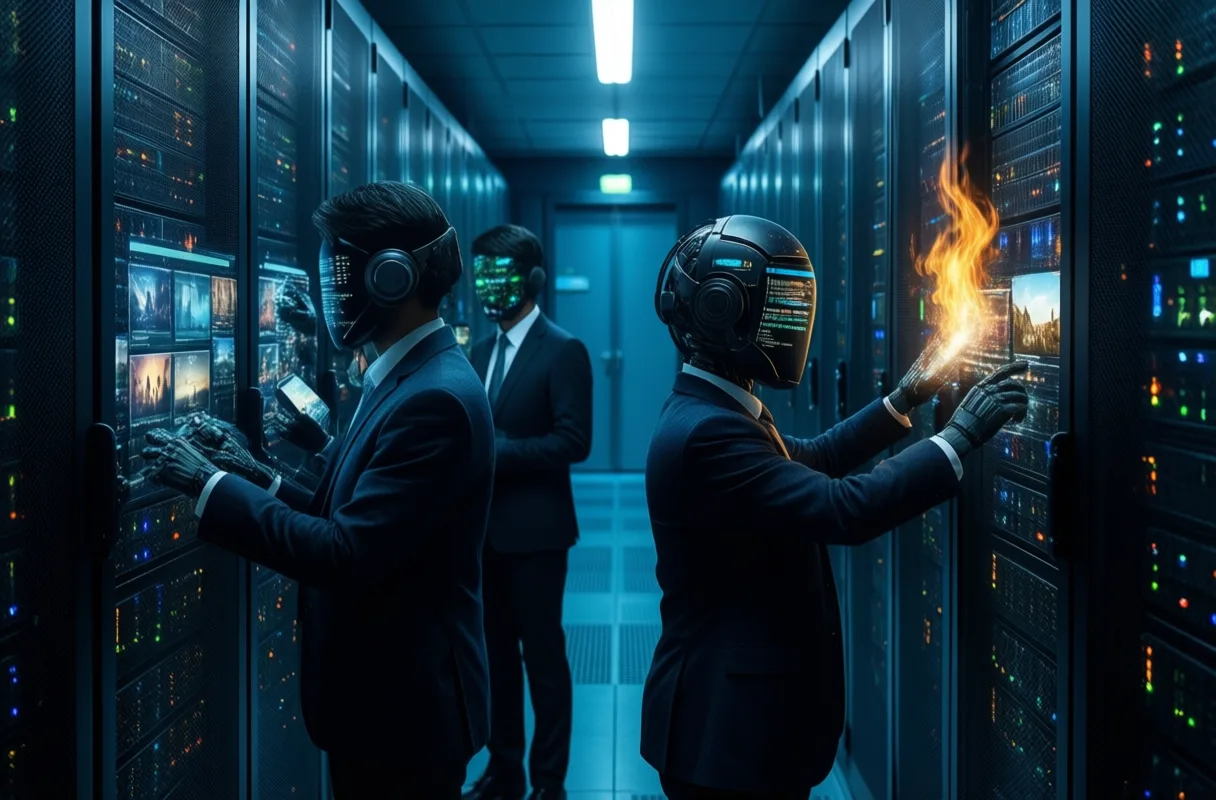
The Rise of Data-Driven Acquisition Strategies at Smaller Platforms
Gone are the days when acquisition decisions relied solely on gut instinct or critical acclaim. Mid-tier streamers now deploy sophisticated analytics to evaluate everything from audience demographics to completion rates. A film that holds viewers past the 30-minute mark is more likely to be picked up-even if it lacks festival buzz.
These platforms track viewing patterns across regions, languages, and devices. They know when a user pauses, rewinds, or abandons a film-and use that data to refine future acquisitions. A documentary about urban beekeeping might perform modestly overall, but if it resonates deeply with viewers in Scandinavian countries, that insight becomes a roadmap for the next slate.
This data-first approach has leveled the playing field. Filmmakers without industry connections can still break through if their work aligns with emerging trends. A coming-of-age story set in Lagos might not fit the Hollywood mold, but if data shows rising interest in African narratives, it becomes a priority acquisition.
- Platforms prioritize Audience retention Over star power
- Regional performance can trigger Targeted marketing pushes
- Completion rates often outweigh Critical reviews In decision-making
When Global Reach Outweighs Theatrical Prestige for Indie Filmmakers
For many indie creators, the allure of a Cannes premiere has dimmed. The real victory now is not a standing ovation, but a notification: Your film has been watched in 47 countries. Theatrical runs still matter, but they’re no longer the only measure of success.
Streaming offers something festivals never could: longevity. A film can debut at Sundance and disappear in weeks. But on a global platform, it can find new viewers for years, surfacing through search, recommendations, or seasonal playlists. A winter drama might resurface during a cold snap in Buenos Aires; a summer romance could trend during monsoon season in Mumbai.
The screen is now everywhere-on buses, in kitchens, on cracked phone screens in remote villages. Filmmakers no longer have to choose between artistic integrity and reach. A deeply personal story about loss and resilience can travel farther than a studio-backed franchise if it connects on a human level.
And for audiences, this means access to stories once deemed “too small” or “too foreign.” The global village is no longer a metaphor-it’s a viewing queue.
How Revenue Splits Have Shifted in Favor of Creators Lately
Once, streaming deals meant surrendering rights for a flat fee and little else. Filmmakers took the money and hoped for exposure, while platforms reaped long-term value. But as competition heats up, the balance is shifting.
Mid-tier platforms now offer more favorable terms: higher revenue shares, transparent reporting, and even backend participation. Some allow creators to retain ownership while licensing distribution rights, giving them control over future deals. Others provide dashboards where filmmakers can track views, earnings, and audience demographics in real time.
This transparency builds trust. When a director sees that her film earned $12,000 in its first quarter-and knows exactly how-she’s more likely to partner again. These platforms aren’t just distributors; they’re collaborators, investing in long-term relationships.
- Revenue splits now range from 30% to 50% for creators
- Real-time analytics replace Opaque royalty statements
- Ownership retention is becoming a Competitive advantage

The Hidden Costs of Platform Dependency for Independent Studios
But this new era comes with trade-offs. Relying on a single platform can be risky-algorithm changes, interface updates, or sudden shifts in content strategy can bury a film overnight. A title featured on the homepage one month might vanish the next, with no explanation.
Some platforms lack robust customer support or clear communication. Filmmakers report difficulties updating metadata, correcting errors, or even removing content. Once a film is uploaded, it can feel like it’s been swallowed by a machine with no off switch.
And while global reach is possible, it’s not guaranteed. Without marketing support or promotional placement, even strong films can languish in obscurity. Being on a platform isn’t the same as being seen. The dream of discovery still depends on luck, timing, and the whims of recommendation engines.
What Filmmakers Overlook When Signing Streaming Exclusive Deals
Many creators sign exclusive deals without realizing the long-term implications. A two-year exclusivity clause might seem reasonable-until a film gains traction and the filmmaker wants to screen it at festivals or sell physical copies. Suddenly, they’re locked in.
Metadata matters more than most realize. A poorly written synopsis, incorrect genre tags, or low-quality thumbnails can doom a film’s discoverability. Yet many platforms give creators little control over these elements, leaving them powerless to fix issues that hurt visibility.
And not all platforms are equal in their reach. A service popular in North America might have minimal presence in Asia or Africa. Filmmakers who assume “global” means “everywhere” may be surprised to find their audience concentrated in just a few regions.
- Exclusivity can block Festival participation
- Poor metadata reduces Search visibility
- Regional limitations undermine True global access
Why Audience Fragmentation Is Actually Helping Microbudget Projects
Paradoxically, the splintering of audiences has become a lifeline for microbudget films. In the age of mass entertainment, standing out was nearly impossible. But now, with viewers scattered across dozens of platforms, niches have become sanctuaries.
A film about traditional boat-building in the Pacific Northwest doesn’t need millions of viewers-just a few thousand deeply engaged ones. On a niche platform, it can become a cornerstone title, featured in collections, recommended alongside related content, and embraced by a community that values its specificity.
These micro-audiences are loyal, passionate, and eager for authenticity. They don’t care about box office numbers or star power-they care about connection. And for filmmakers, that connection is more valuable than virality.
Streaming hasn’t just expanded access-it’s redefined success. A film can be small in budget and scale, yet enormous in impact, if it finds the right eyes.
The Misconception That Bigger Platforms Guarantee Better Visibility
There’s a myth that landing on a major platform ensures success. But on services with tens of thousands of titles, even acclaimed films can vanish into the scroll. A microbudget drama might get lost beside a Marvel spinoff, no matter how strong its story.
Mid-tier platforms, with smaller catalogs, often offer better discoverability. A film can be featured on the homepage, included in editorial picks, or highlighted in themed collections. These placements matter-viewers are more likely to click on something that feels intentional, not algorithmic noise.
Visibility isn’t about size-it’s about curation. A platform that treats every film as a potential gem, not just content, creates space for discovery. And for filmmakers, that attention can be transformative.
Smaller doesn’t mean lesser. Sometimes, the quietest platforms host the loudest voices.

Context: How Funding Rounds Translate to Content Opportunities
Series C funding rounds aren’t just financial milestones-they’re creative inflection points. When a streaming service secures late-stage investment, it often signals a shift from survival to expansion. That capital fuels content acquisition, marketing pushes, and platform improvements.
For filmmakers, this means more opportunities. A platform that once acquired five films a year might now greenlight twenty. It can offer higher advances, better terms, and more support. The influx of capital turns ambition into action.
But funding also brings pressure. Investors expect returns, which can lead to safer programming choices or a focus on metrics over artistry. The very independence that defined these platforms can erode if growth becomes the only goal.
Still, for now, the window is open. And for indie creators, that window is wide enough to walk through.
Practical Takeaways for Producers Navigating Today’s Digital Marketplaces
Producers must think like strategists. Not all platforms are created equal-research their audience, curation style, and track record with similar films. A platform’s size matters less than its alignment with your project’s spirit.
Negotiate with clarity. Push for transparency in reporting, flexibility in rights, and input on metadata. Your film’s discoverability depends on details most overlook. And never sign exclusivity without understanding the long-term cost.
Build your own audience, too. A strong social presence, email list, or community can amplify your film’s reach, regardless of platform algorithms. Distribution is a partnership-not a handoff.
- Know your platform’s audience Before signing
- Retain rights when possible
- Treat metadata as part of your creative work
Where the Power Balance Stands Now-And Where It’s Headed
The balance of power in indie film is shifting-not to studios, not to algorithms, but to creators who understand the new landscape. Mid-tier streamers have disrupted the old order, offering real alternatives to the gatekeepers of the past.
But the system remains fluid. As platforms grow, consolidate, or fold, filmmakers must stay agile. The tools for distribution are more accessible than ever, but so is the noise. Standing out requires not just talent, but strategy, patience, and self-awareness.
On Loaded.ai, the future of independent film isn’t predicted-it’s practiced. Every upload, every watch, every conversation is a thread in a larger tapestry. The revolution isn’t coming. It’s already streaming.
How Niche Platforms Are Changing the Game
The Rise of the Underdog Streamers
Forget the giants-smaller streaming platforms backed by Series C funding rounds are stepping up with serious clout. These services aren’t just surviving; they’re actively acquiring indie films that bigger players overlook, giving bold new voices a real shot at audiences. With deeper pockets from later-stage venture capital, they can offer filmmakers competitive licensing deals, marketing support, and global reach without demanding full ownership.
Some of these platforms specialize in hyper-targeted genres or regional stories, creating loyal followings you won’t find on mainstream services. One such platform saw a breakout hit when a low-budget horror film from Puerto Rico racked up millions of views in its first month-proving that authenticity often trumps big budgets. These wins aren’t flukes; they’re reshaping how indie creators think about distribution, turning niche appeal into measurable success. Explore more stories, videos, and creators on Loaded.
This article was produced with AI assistance. How Loaded Video uses AI.
Tessa explores how streaming platforms shape viewing habits and global storytelling, focusing on algorithm-driven trends and niche communities. She blends data with human stories to reveal the evolving relationship between audiences and digital content, making the invisible forces of streaming feel personal and immediate.