The camera rolls. The lights stay hot. A new story unfolds over eight tight episodes, not two compressed hours. Streaming has shifted the landscape-Indie filmmakers Now have a direct line to global audiences, bypassing traditional gatekeepers. But access doesn’t guarantee attention. On platforms where content floods in by the terabyte, only the sharpest, most intentional series survive.
This isn’t about mimicking Hollywood’s playbook. It’s about Leveraging independence as an advantage-agility, authenticity, and creative control. For indie creators, the streaming series model offers a rare trifecta: narrative room to breathe, lower entry barriers, and the chance to Build loyal Followings one episode at a time. The challenge? Standing out without a seven-figure budget.
Welcome to the new era of Storytelling. Here’s how to make it count.
Why Indie Filmmakers Are Turning to Streaming Series
Streaming platforms Have democratized distribution. No longer must filmmakers wait for festival luck or studio approval. A finished series can reach viewers in Lagos, Lisbon, or Louisville with equal speed. This Direct-to-audience pipeline cuts out layers of bureaucracy, giving indies control over release timing, artwork, and metadata.
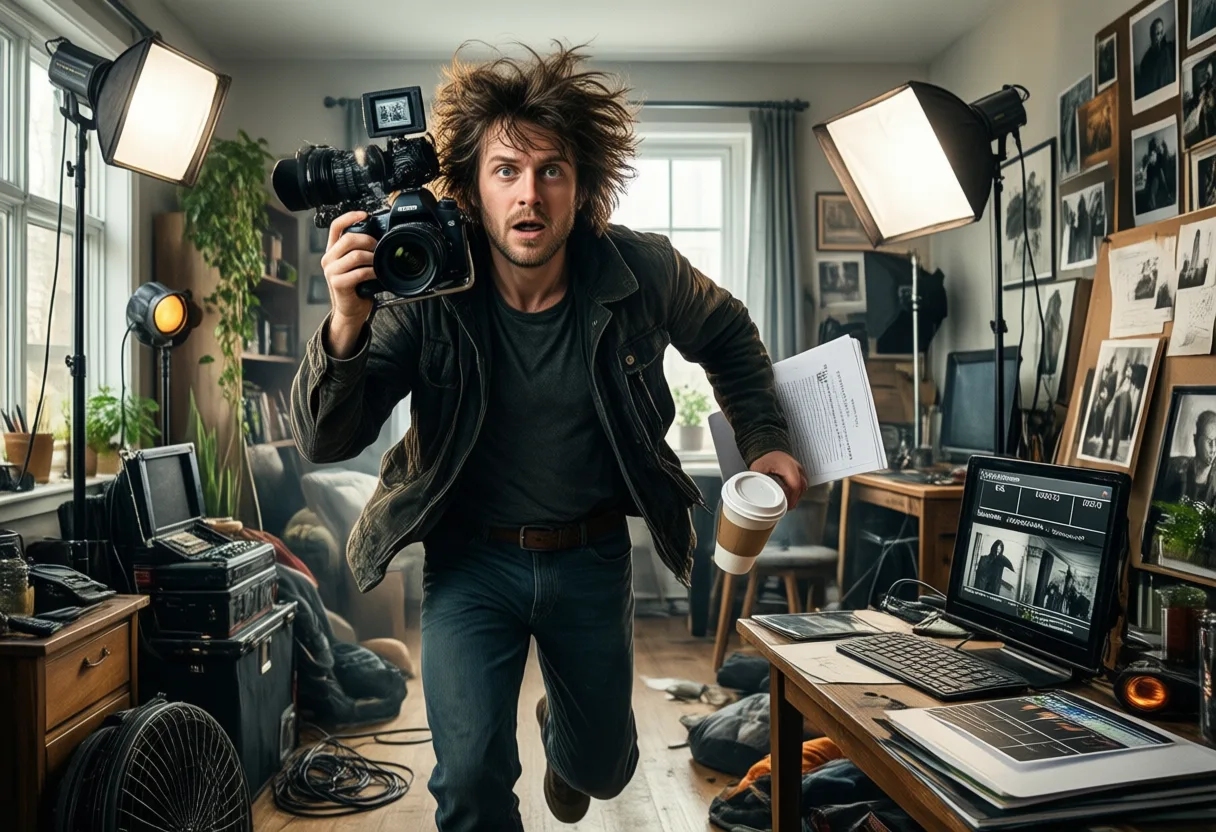
Budgets remain tight, but tools are cheaper and more powerful than ever. 4K cameras fit in backpacks. Editing software runs on laptops. Sound design suites live in the cloud. What once required a soundstage and union crews can now be achieved with A lean team, a clear vision, and relentless execution.
The format also suits indie strengths. Series Allow deeper character exploration, layered worldbuilding, and slow-burn tension-elements often sacrificed in feature-length constraints. For filmmakers with serialized ideas, streaming isn’t just an option. It’s the natural home.
What Makes a Series Stream-Worthy in a Saturated Market?
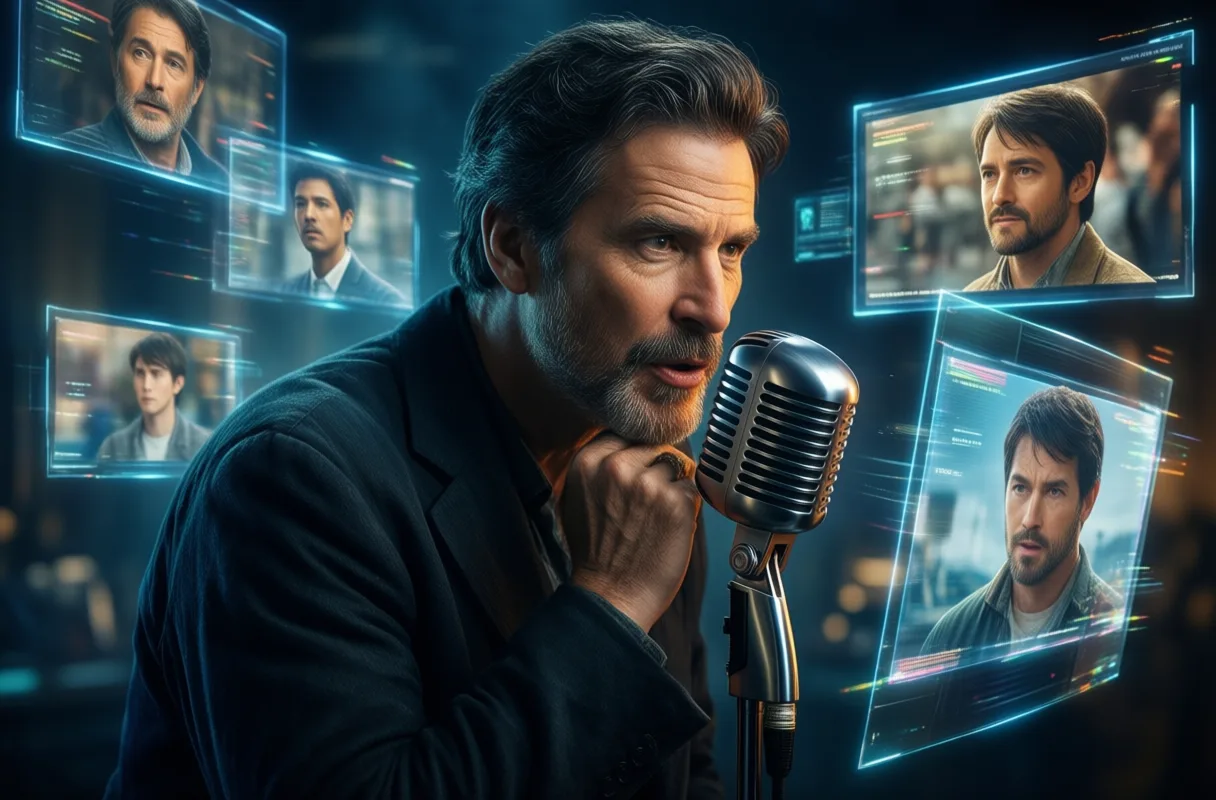
Originality isn’t enough. In a market where thousands of series compete for attention, Distinctiveness, consistency, and clarity Separate the seen from the unseen. A stream-worthy series doesn’t just tell a story-it holds viewers in a rhythm, rewarding each click to the next episode.
Audiences binge not just for plot, but for Tone, texture, and trust. They return because the world feels lived-in, the stakes real, the pacing intentional. Indie series that succeed often master a singular mood-whether it’s the quiet dread of a rural mystery or the chaotic energy of a city comedy.
Success also hinges on technical polish. Viewers forgive low budgets but not poor sound, inconsistent lighting, or confusing edits. A stream-worthy series looks and sounds professional, even when made on a shoestring. That means Prioritizing audio quality, color grading, and clear visual storytelling From episode one.
1. Start with a Compelling Hook That Fits the Format
A feature film has ten minutes to grab attention. A streaming series has Ninety seconds-the average time a viewer gives before scrolling away. The opening scene must establish tone, character, and conflict immediately.
Use visual shorthand. A cracked rearview mirror. A text message left on read. A door left ajar. These details convey backstory without exposition. Let the audience lean in, piece things together. Trust them to keep up.
The hook should also reflect the series’ format. A slow-burn drama might open on a quiet moment that foreshadows rupture. A comedy could launch with a disastrous first date. Match the energy to the genre-and the binge.
2. Build a Cohesive Visual Style on a Budget
Consistency beats spectacle. A single, well-defined visual language-achieved through lighting, framing, and color-can unify a series more than any expensive set piece.
Use natural light whenever possible. Shoot during golden hour. Embrace shadows. A dimly lit hallway with a single practical lamp can feel more cinematic than a flatly lit studio set. Limit your palette-stick to three core colors in costumes and production design.
Repurpose locations. A diner can double as a police station with a few props and a change in lighting. Use camera angles to hide limitations. A low-angle shot can make a cramped apartment feel monumental. Style is not expense-it’s intention.
3. Write for Bingeability Without Sacrificing Depth
Bingeable doesn’t mean shallow. It means Each episode ends with a reason to click “Next”-a revelation, a betrayal, a question that can’t wait.
Structure episodes like chapters. End on reversals, not resolutions. Let subplots simmer. Introduce a character in episode two whose importance isn’t clear until episode six. Reward attentive viewers.
But avoid overplotting. Too many twists feel chaotic. Let moments breathe. A silent reaction shot can land harder than a monologue. Balance momentum with meaning.
4. Cast Smart: Talent and Chemistry Over Star Power
A-list names draw eyes, but Authentic performances build loyalty. Indie series thrive when the cast feels real, not cast.
Hold chemistry reads. Pair actors in improvised scenes. Watch how they listen, react, share space. A perfect lead who doesn’t connect with their co-star kills the spell.
Prioritize reliability. Shooting a series demands stamina. An actor who shows up on time, knows their lines, and adapts to changes is worth more than a “name” who stalls production. Talent is skill. Chemistry is magic. Both are non-negotiable.
5. Optimize for Platform Algorithms Without Selling Out
Algorithms favor completion rates, watch time, and engagement. Design your series with these in mind-but don’t distort your vision.
Keep episodes tight. Most platforms reward series with Consistent runtimes under 30 minutes For dramas, under 25 for comedies. Trim fat. Every scene must advance plot, character, or tone.
Use clear, searchable titles and thumbnails. Avoid abstract names. “The Last Bus to Holloway” signals genre and stakes. Pair it with an image of a lone figure on a dark road-Visual clarity drives clicks.
But never sacrifice story for metrics. A forced cliffhanger or artificial twist will alienate viewers. Play the system without letting it play you.
6. Leverage Real Locations and Lean Crews Strategically
Real locations add authenticity-and save money. A working bar, a functioning apartment, a real subway station brings texture no set can replicate.
Negotiate for off-hours access. Shoot a restaurant after closing. Use a friend’s house for two days. Permission is cheaper than construction.
Keep the crew small but versatile. One electric can handle lighting and rigging. A production designer can also art direct. Cross-train where possible. Fewer people mean faster decisions, fewer delays.
But don’t cut corners on key roles. A skilled sound recordist is worth every dollar. So is a sharp script supervisor. Lean doesn’t mean under-resourced-it means efficient.
7. Design a Pilot That Stands Alone but Teases More
The pilot is your audition. It must work as a self-contained story-With a clear arc, climax, and resolution-while planting seeds for future episodes.
Introduce the central conflict early. Show the world before it breaks. Let the audience understand the stakes before raising them.
End with a shift. Not necessarily a shock, but a change in direction. A character makes a choice. A secret surfaces. A relationship fractures. The status quo is altered-and the viewer wants to know what comes next.
8. Use Music and Sound Design to Elevate Limited Resources
Sound is 50% of the experience. A well-mixed scene with subtle ambient noise-a distant siren, a flickering bulb-feels more immersive than one with perfect visuals and flat audio.
Use music sparingly. A recurring motif can tie episodes together. A single instrument-piano, synth, cello-can define the series’ emotional core. Less music often means more impact.
Source tracks from emerging composers. Many are open to collaboration for credit or backend points. Avoid generic royalty-free beds. Sound should enhance, not decorate.
9. Plan Distribution from Day One, Not After Completion
Too many indie series are finished with no clear path to viewers. Distribution is not an afterthought-it’s part of development.
Research platforms early. Some favor genre content. Others prioritize diverse voices or international stories. Tailor your pitch accordingly.
Build an audience during production. Share behind-the-scenes clips. Post mood boards. Tease character names. Engagement starts long before launch.
Consider hybrid models. Release the first episode free. Offer the rest via a microtransaction or subscription. Use platforms that support indie creators directly.
10. Protect Rights While Maximizing Exposure
Never sign away all rights for a quick payout. Retain ownership of your master, music, and underlying IP Whenever possible.
Use licensing deals, not outright sales. Grant rights for specific territories or timeframes. Allow for reversion if the platform doesn’t promote the series.
Register your script. Copyright your score. Keep chain-of-title documents clean. Exposure matters, but control matters more.
11. Learn from Past Successes Without Imitating Them
Study breakout indie series. Note their pacing, character work, and release strategies. But don’t copy their plot, tone, or aesthetic.
Success often comes from Filling a gap, not following a trend. If everyone’s making gritty crime dramas, try a surreal workplace comedy. If sci-fi dominates, offer a grounded family saga.
Let influences inform, not dictate. Your voice is your advantage. Originality isn’t about being different-it’s about being honest.
The Hidden Pitfall: Mistaking Virality for Viability
A viral clip can get thousands of views. But Views don’t equal viewership. A 15-second moment shared out of context might draw clicks, but it won’t sustain a series.
Virality is fleeting. Viability is built. It comes from consistent quality, audience retention, and long-term engagement. A series that keeps viewers to the finale is worth more than one with a million superficial hits.
Focus on completion rates, not just premiere numbers. Track how many watch past episode three. That’s the real metric of success.
What It Really Takes to Break Through the Noise
Talent. Vision. Luck. All matter. But Execution is everything. The best ideas fail without discipline. The simplest concepts succeed with precision.
Break through by being clear, not loud. By finishing, not just starting. By treating every episode like a promise kept.
Streaming rewards consistency. Show up. Deliver. Repeat.
Next Steps: Turning Your Series Idea into a Streamed Reality
Start small. Write the first three episodes. Shoot a proof-of-concept teaser. Test it with trusted viewers. Refine before you scale.
Build a team that believes in the project, not just the paycheck. Find collaborators who will fight for the edit, the mix, the final frame.
Then release it. Learn from the response. Iterate. The first series is never the last.
For indie filmmakers, the future isn’t in theaters or studios. It’s in episodes, uploaded, shared, watched. The story is yours. Now tell it.
What It Takes to Make a Series That Sticks
The Binge Factor Isn’t Just Luck
Streaming platforms don’t just guess what to promote-data plays a huge role behind the scenes. One surprising fact? Many successful indie series get noticed because they hook viewers fast: if a show keeps people watching past the first 10 minutes, algorithms are more likely to push it. That means your opening scene isn’t just about style-it’s a make-or-break moment for visibility. Think tight pacing, immediate tension, or a bold visual choice that grabs attention before the title card even rolls.
Shorts That Grow Into Series
Some of today’s breakout streaming hits started as proof-of-concept shorts on film festival circuits. One well-known example began as a seven-minute project shot on a weekend with borrowed gear. It screened at a regional festival, caught the eye of a producer browsing submissions, and eventually became a full-season series. That path isn’t rare-many platforms actively scout festivals for fresh voices, especially when the short demonstrates strong character work and a clear tone. Your micro-budget project might not just win a prize; it could be your pilot in disguise.
Sound Matters More Than You Think
Here’s a behind-the-scenes truth: poor audio is one of the top reasons viewers abandon a stream early. Even with stunning visuals, muffled dialogue or background hum can kill immersion fast. Many indie creators save on gear but invest in solid lavalier mics or clean recording environments-and it shows. One viral series gained praise not for its effects or cast, but for crisp, theater-quality sound achieved by recording dialogue in a closet lined with towels. It’s a reminder that smart, scrappy solutions often beat expensive shortcuts. Explore more stories, videos, and creators on Loaded.
Frequently Asked Questions
What makes an indie series stand out on streaming platforms?
A stream-worthy series combines distinctiveness, consistency, and clarity. It maintains a singular mood, has technical polish in sound and visuals, and rewards viewers with intentional pacing and a lived-in world.
How important is the opening scene for a streaming series?
The opening scene is crucial, as viewers decide within ninety seconds whether to continue. It must establish tone, character, and conflict quickly using visual shorthand and immediate tension.
Can a low-budget series succeed on streaming?
Yes, success comes from consistency, smart use of real locations, lean crews, strong sound design, and authentic performances. Technical quality and storytelling intention matter more than budget size.
Why is sound design critical for indie streaming series?
Poor audio is a top reason viewers stop watching. Crisp, immersive sound-even achieved creatively, like recording in a closet lined with towels-can elevate a low-budget series and maintain viewer engagement.
This article was produced with AI assistance. How Loaded Video uses AI.
Orin dives into the unsung crafts that bring productions to life, from set design to sound editing. He approaches each story as a puzzle, uncovering how creative collaboration solves logistical and artistic challenges, revealing the hidden architecture behind memorable screen moments.