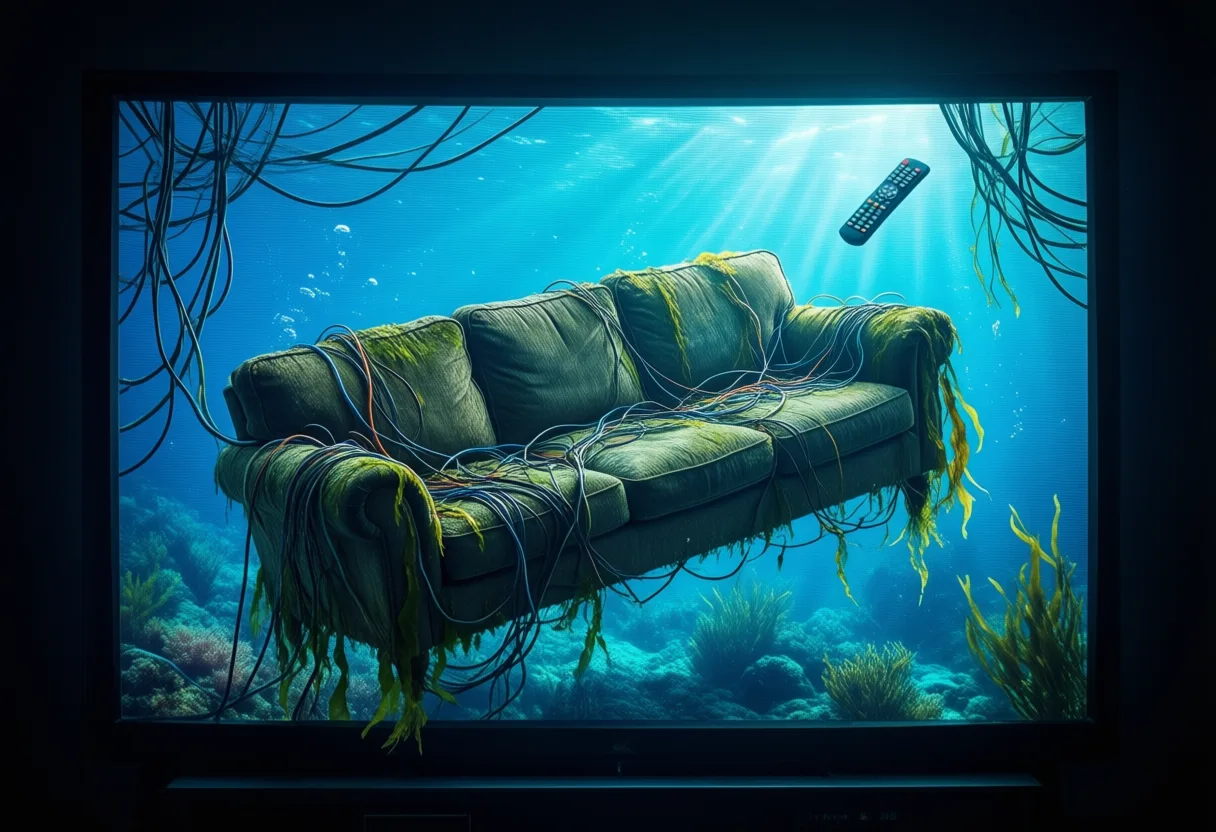
Binge culture Didn’t arrive with a press release. It crept in with quiet servers, endless scrolls, and the click of “Next Episode.” What began as a convenience has reshaped how stories are told, consumed, and remembered.
The Era of the Marathon Watch
Television used to unfold like clockwork. Episodes aired once a week. Fans Gathered at the same time, talked about cliffhangers the next day, and waited seven days to see what happened. That rhythm defined decades of storytelling.
Then came on-demand access. Viewers no longer needed to align their lives with broadcast schedules. They could watch entire seasons in hours if they wanted. The power shifted from networks to audiences.
Marathon viewing turned into expectation. Finishing a season over a weekend became normal. Some fans treated it like a personal achievement-clearing episodes like levels in a game. The box set mentality migrated from DVDs to cloud libraries.
Streaming platforms enabled this shift. Without fixed air times, there were no rules. No enforced pauses. Just story after story, queued and ready. The binge became not just possible-it became the default.
Why Did Viewers Stop Waiting for Weekly Episodes?
Waiting used to build tension. A killer’s identity, a character’s fate-these mysteries simmered in public conversation. Now, answers are only a play button away.
Instant gratification rewired viewer patience. When you can uncover every twist in one sitting, why delay? The thrill isn’t in speculation-it’s in momentum. Each episode pulls you forward, feeding a need to know what comes next.
Social media amplified this impulse. Spoilers spread fast. No one wanted to be the last to know. Falling behind meant missing out on real-time reactions, memes, and debates. Staying current meant keeping up-fast.
Some viewers also felt ownership over their time. Work schedules, parenting duties, or irregular routines made weekly tracking difficult. Binging offered control. You decide when to start. You decide when to stop. Or not stop at all.
The Streaming Surge That Changed Everything
Streaming didn’t just change where we watch-it changed how we think about television. The model flipped: instead of shows chasing audience attention, platforms began designing systems to keep viewers glued.
All-at-once releases became a signature move. Drop a full season and let the buzz build through volume. One weekend could launch a global phenomenon. Word traveled fast. Social feeds lit up with reactions, theories, and fan edits.
Platforms invested heavily in original content. More shows meant more reasons to subscribe. More reasons to stay. Libraries grew dense. Choices multiplied. Decision fatigue set in-but the promise of “just one more episode” kept people scrolling.
This surge disrupted traditional metrics. Ratings based on live viewership lost meaning. Engagement now measured completion rates, rewatch numbers, and watch time per user. Success wasn’t just popularity-it was retention.
From Appointment TV to On-Demand Obsession
Appointment TV relied on shared experience. Families gathered. Coworkers traded spoilers. Shows like Friends Or Lost Created cultural touchstones because millions watched together, in real time.
Now, obsession happens in private. Headphones on, lights low, screen glowing. The ritual is solitary. The emotional payoff remains-but it’s internalized. There’s no collective gasp when a character dies. Just a silent pause before clicking “Play.”
The intimacy of solo viewing has its perks. No distractions. No arguments over plot points mid-episode. You absorb the story on your terms. But something is lost too-the energy of communal surprise.
Watercooler moments still happen, but they’re delayed. Someone finishes a show weeks after release and joins the conversation late. By then, the peak of discussion has passed. Hype cycles compress and collapse faster than ever.
What Happened to the Watercooler Moment?
The watercooler moment was television’s heartbeat. Monday mornings crackled with debate. Who shot J.R.? Was Darth Vader really Luke’s father? These questions unified offices, schools, even nations.
Today, those moments scatter across digital space. Twitter erupts within hours of a premiere. TikTok recaps dissect twists before lunch. The conversation peaks early-and fades just as fast.
Not everyone watches at once anymore. Some save shows for vacation. Others wait for reviews. A few avoid spoilers so thoroughly they stay offline for days. This fragmentation dilutes the shared impact.
Still, some shows manage to reignite mass engagement. When executed well-a tightly written mystery, a shocking death, a visual spectacle-they cut through the noise. But these events are rarer now. And harder to sustain.
Binge-Watching as Default Behavior
Binging isn’t just common-it’s expected. Platforms highlight “top binged shows” in year-end wrap-ups. Media outlets publish lists of “best weekend marathons.” The behavior is normalized, even celebrated.
Auto-play features grease the wheels. Ten seconds to cancel. Most don’t. The next episode starts. Then another. Then another. Frictionless design keeps viewers locked in.
Completion rates climb when shows are easy to finish. Platforms track this closely. A high finish rate signals strong engagement. It tells algorithms what to promote-and what to greenlight next.
Viewers, too, feel pressure to keep pace. Seeing “98% completed” on a friend’s profile sparks competition. Finishing a season becomes a badge of dedication. Not watching feels like falling behind.
The Algorithm’s Role in Shaping Viewing Habits
Algorithms don’t just recommend-they influence. They learn what keeps you watching. Fast pacing. Cliffhangers. Emotional spikes. Over time, they favor shows engineered for bingeability.
Content begins to adapt. Writers craft episodes without natural breaks. Act-outs mimic film transitions, not TV pauses. Mid-season finales vanish. Even commercial-free formats erase traditional breathing points.
Suggestions feed consumption. “Because you watched…” queues up similar titles. One thriller leads to another. Before long, three hours have passed. You didn’t plan to watch that much. But the path was clear.
These systems optimize for time spent, not depth of experience. A show doesn’t need to linger in memory. It needs to hold attention Now. That shapes everything-from editing rhythms to character arcs.
When Finishing a Season Felt Like a Personal Challenge
For many, finishing a season became a test of endurance. Could you make it through all ten hours without pausing? Could you resist sleep, chores, responsibilities?
Social media turned viewing into performance. Screenshots of final episodes tagged with “DONE” flooded timelines. Reactions ranged from triumph to exhaustion. Some felt proud. Others hollow.
The sense of accomplishment was real-even if the stakes weren’t. Completing a narrative arc in one stretch created a unique kind of immersion. You lived inside the story, uninterrupted.
But burnout followed. Characters blurred. Plot twists lost impact. By episode seven, emotional bandwidth ran thin. The finale arrived with fatigue, not excitement. The victory felt empty.
Creative Freedom and Narrative Consequences
Streaming gave creators freedom. No network notes. No runtime limits. No need to stretch stories across 22 episodes. Writers could build complex worlds without compromise.
Long-form storytelling flourished. Character development deepened. Subplots expanded. Pacing could breathe-or accelerate-based on intent, not mandate. Some shows reached cinematic heights.
Yet freedom brought risks. Without weekly feedback, creators couldn’t adjust. No mid-season course corrections. No gauging audience reaction. A misstep in episode four wouldn’t surface until the whole season dropped.
And some stories simply didn’t suit the binge format. Mysteries unraveled too fast. Emotional beats landed flat when stacked back-to-back. Tension dissipated without pauses to reflect.
How Storytelling Evolved Without Weekly Constraints
Weekly releases forced discipline. Each episode needed a mini-arc. Payoffs mattered. Cliffhangers had to earn their place. Now, with full-season drops, structure loosened.
Episodes began to feel like chapters in a novel. Some opened slowly. Others ended ambiguously. Traditional act breaks faded. The line between episodes blurred.
Pacing became a gamble. Some series moved at a sprint. Others meandered. Without enforced breaks, momentum could stall. Viewers might lose interest by episode six, even if episode nine delivered.
Writers experimented. Nonlinear timelines. Dense exposition. Multiple protagonists. These choices worked in theory-but not always in practice. Binge conditions exposed flaws quickly.
The Rise of Pacing Problems in Long-Form Series
Too much story. Too little space to breathe. That’s the trap some binge-heavy shows fell into. Plots stretched thin across twelve episodes when eight would’ve sufficed.
Filler emerged. Repetitive conflicts. Side characters with nowhere to go. Romantic subplots that added drama but not depth. All designed to pad runtime, not enrich narrative.
Binge viewing magnifies these issues. In a weekly format, a weak episode might be forgiven. Next week brings redemption. But in a binge, flaws compound. One dull stretch can derail the entire experience.
Audiences notice. They skip. They quit. Completion rates drop. Algorithms take note. The cycle tightens: future shows get tighter scripts, faster starts, fewer risks.
The Myth of Universal Binge Success
Not every genre thrives in a binge format. Comedies with standalone episodes lose charm when rushed. Procedurals depend on reset buttons that feel stale after five cases in a row.
Serialized dramas benefit most. So do limited series with clear endings. But even they can suffer. Emotional weight demands reflection. Grief, betrayal, transformation-these need time to settle.
Some stories demand space between installments. A character’s death hits harder when you sit with it for a week. A revelation lingers. Rumors grow. Fan theories evolve.
Releasing all episodes at once assumes uniform viewing habits. But audiences aren’t monoliths. Some savor. Others skim. Treating everyone as a binge machine ignores diversity in engagement.
Not Every Show Benefits from All-at-Once Release
Certain genres rely on suspense built over time. Crime sagas, political thrillers, slow-burn horrors-they thrive on anticipation. Dropping everything kills the tension before it peaks.
Take a murder mystery. If all clues are available immediately, fans solve it by episode three. The rest of the season feels redundant. Weekly drops preserve mystery. They allow red herrings to work.
Comedies face different challenges. Jokes land better when spaced out. Running gags build over weeks. Inside jokes form between viewers. Binging flattens the humor.
Even world-building suffers. Fantasy or sci-fi series introduce complex rules. New languages. Political systems. Binging forces audiences to absorb too much too fast. Confusion replaces wonder.
When Momentum Fizzled Without Natural Breaks
Some shows start strong-then fade. Episode one shocks. Episode two intrigues. By episode five, the engine sputters. Without natural breaks, viewers push through out of obligation.
Mid-season breaks used to recharge interest. Promotional pushes revived buzz. Fan art surged. Cast interviews dropped. Now, silence follows release. No second wind.
Momentum depends on rhythm. Pauses create hunger. Absence fuels desire. When a story never stops, it risks becoming background noise.
Platforms are noticing. Completion data reveals drop-off points. Episodes seven and eight often see dips. The middle sags. The finish lacks punch. Design flaws emerge under binge conditions.
Audience Burnout and the Resurgence of Weekly Drops
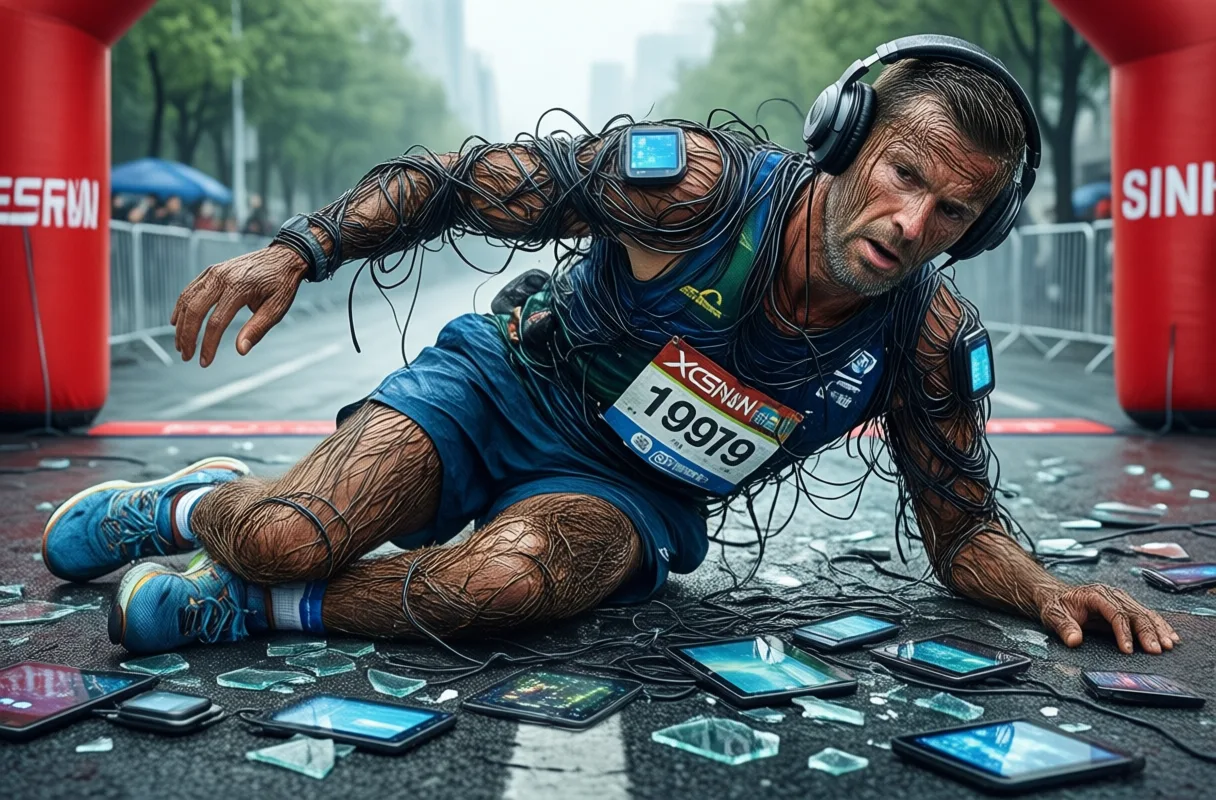
Burnout is real. Eyes strain. Brains overload. Emotionally intense series leave viewers drained. Some report feeling “emptied out” after finishing a show in one go.
More creators speak up. They want audiences to Feel The story, not race through it. They argue for space between episodes. For reflection. For breath.
Weekly releases are making a comeback. Not everywhere. Not for every show. But selectively. Especially for event series, prestige dramas, or limited runs.
Platforms test hybrid models. Drop two episodes upfront, then one per week. Give fans a taste of both worlds. Immediate access plus sustained engagement.
Why Some Creators Now Push Back Against Binging
Showrunners are rethinking release strategies. They see bingeing as a double-edged sword. Yes, it drives initial buzz. But no, it doesn’t guarantee lasting impact.
They worry stories get lost. Themes go unnoticed. Performances overlooked. When everything moves fast, nothing sticks. Art becomes content. Content becomes noise.
Creators want their work seen-not just consumed. They care about timing, tone, emotional resonance. They craft episodes with intention. Binging can override that intention.
Some now advocate for staggered rollouts. Not as limitation-but as respect. For the audience. For the craft. For the story itself.
Striking a Balance Between Access and Anticipation
The future isn’t all binge or all weekly. It’s choice. Flexibility. Options that serve different types of stories and viewers.
Platforms experiment. They study data. They test windows. They listen to creators. The goal isn’t to eliminate binging-but to coexist with other rhythms.
Access remains key. People should be able to watch when they want. But anticipation still has power. Delayed gratification builds deeper connection.
Hybrid models may lead the way. Limited series released weekly. Sitcoms dropped all at once. Genre dictates format. Audience decides how to engage.
What Comes After the Binge?
The binge era reshaped television. It broke old rules. Freed creators. Empowered viewers. But it also exposed limits. Not all stories fit the mold.
Now, the industry recalibrates. It asks: What do we gain by slowing down? What do we lose by rushing through?
Storytelling is evolving again. Not backward-but forward. With lessons learned. With tools refined. With data and instinct guiding the way.
The next chapter won’t reject binging. It will refine it. Integrate it. Place it alongside other forms of engagement. Because TV isn’t just about watching. It’s about remembering.
Reimagining Engagement in the Streaming Age
Engagement goes beyond completion rates. It’s about discussion. Rewatch value. Cultural staying power. A show that lingers matters more than one that merely trends.
Platforms like loaded.ai spotlight this shift. They celebrate independent films that thrive on nuance. Blockbusters that command attention. Industry news that tracks change in real time.
The focus expands. Not just what we watch-but how we watch. Why we return. What makes a story stick.
The streaming age isn’t ending. It’s maturing. And as it does, it honors both the rush of the binge and the weight of the wait.
| Release Model | Audience Behavior | Impact on Storytelling | Platform Benefit |
|---|---|---|---|
| Weekly episodes | Builds anticipation, encourages discussion | Enforces structured pacing, mini-arcs, cliffhangers | Sustains long-term engagement, allows feedback |
| Full-season drop | Enables bingeing, fast consumption | Looser structure, fewer breaks, marathon pacing | Drives initial buzz, high completion rates |
| Hybrid release | Balances immediate access with ongoing interest | Allows strong start and sustained momentum | Combines binge appeal with lasting cultural impact |
The Rise of the Couch Marathon
Binge-watching wasn’t invented by Netflix, but the platform sure perfected it. Before streaming took over, catching up on a show meant waiting week to week or hunting down DVDs. Now, entire seasons drop at once, turning what used to be a slow burn into a full weekend flameout. It’s not unusual for fans to polish off a 10-episode season in less than 48 hours-some even race to be the first to finish, turning viewing into a competitive sport.
Hidden Easter Eggs and Secret Endings
Streaming platforms love to reward dedicated viewers. Some series drop subtle clues across episodes that only become clear after a full binge-like hidden character connections or foreshadowing that’s easy to miss when waiting a week between episodes. Even more fun? A few shows have experimented with alternate endings or post-credits scenes that only appear if you watch continuously, turning the final seconds into a surprise for the truly committed. These little treats make marathoning feel like unlocking a secret level in a video game.
Another quirky side effect of binge culture: the “rewatchability” factor has skyrocketed. When a show’s plot twists pile up fast, fans often restart from episode one just to catch what they missed. It’s not just about enjoying the story again-it’s detective work, spotting clues hidden in plain sight. That second watch? Sometimes it feels like a whole new show. Explore more stories, videos, and creators on Loaded.
Frequently Asked Questions
How did binge culture change TV storytelling?
Binge culture removed the need for weekly episode structures, leading to looser pacing, blurred episode breaks, and narratives that unfold like novel chapters. Writers began crafting stories without traditional act breaks or mid-season finales, adapting to uninterrupted viewing.
Why do some creators prefer weekly releases over full-season drops?
Some creators believe weekly releases allow audiences to reflect on emotional beats, preserve suspense in mysteries, and sustain engagement. They argue that staggered rollouts respect the craft and deepen connection to the story.
What impact did algorithms have on how shows are made?
Algorithms favor content that maximizes watch time, promoting fast pacing, cliffhangers, and emotional spikes. This influences writers to design episodes for bingeability, often eliminating natural pauses to keep viewers engaged.
Are all TV genres suited for binge-watching?
No. Serialized dramas and limited series benefit most from bingeing, while comedies, procedurals, and slow-burn thrillers often lose impact when rushed. Some stories need time between episodes to build tension or let humor develop.
This article was produced with AI assistance. How Loaded Video uses AI.
Orin dives into the unsung crafts that bring productions to life, from set design to sound editing. He approaches each story as a puzzle, uncovering how creative collaboration solves logistical and artistic challenges, revealing the hidden architecture behind memorable screen moments.