How One Series Brought a Nuclear Nightmare Back to Life
In the stillness before dawn, a warning hums beneath the surface of everyday life. It’s the kind of silence that precedes collapse-imperceptible at first, then inescapable. The Streaming Series Chernobyl Doesn’t dramatize disaster so much as it resurrects it, layer by layer, breath by breath, in a way that feels less like storytelling and more like remembrance.
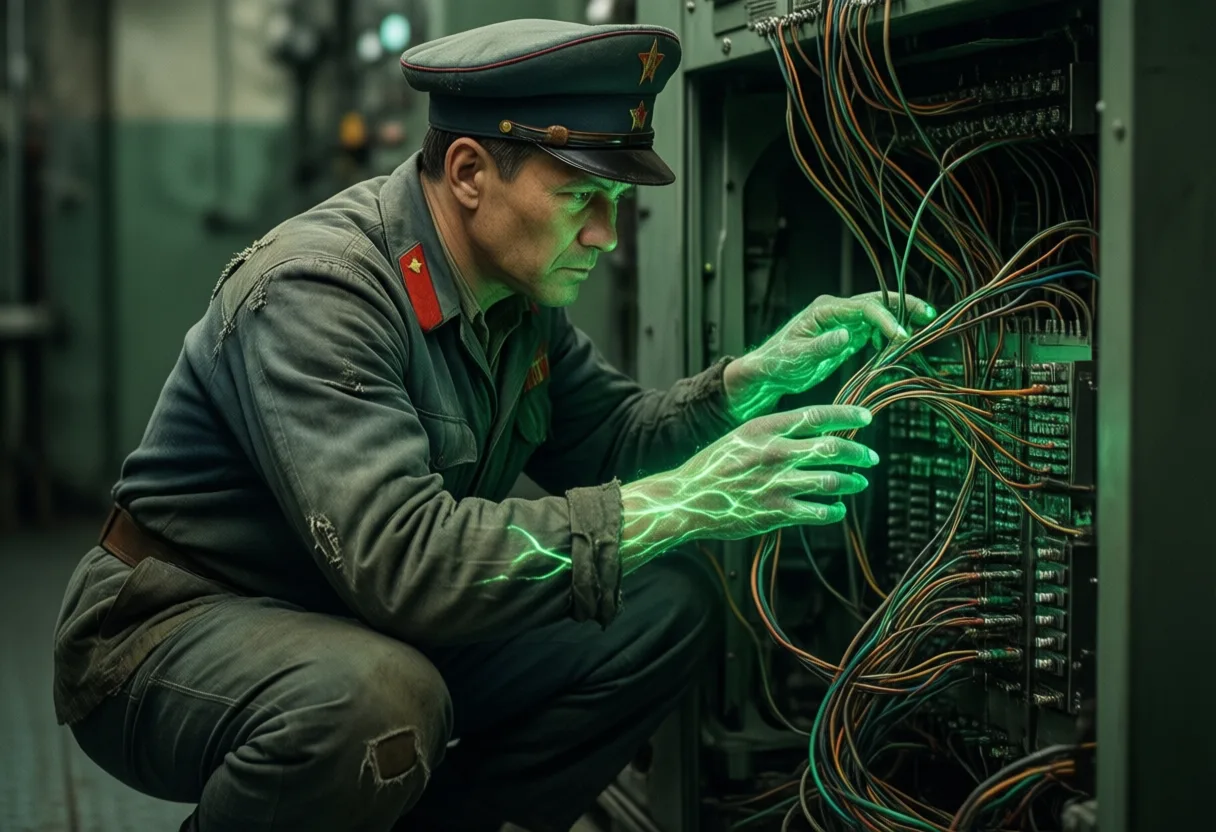
This is not a tale built for spectacle. Instead, it unfolds with the weight of evidence, each scene assembled like a piece of forensic testimony. The production design mirrors Soviet-era infrastructure with chilling precision-the concrete corridors, flickering fluorescents, and clunky control panels all evoke a world already on the brink of failure. There’s no Digital gloss To soften the edges; the visuals are raw, grounded, almost archival in their restraint.
The creators leaned heavily on survivor accounts, technical reports, and declassified documents to shape the narrative. Every decision, from Costume textures To the acoustics of reactor halls, was filtered through a commitment to authenticity. Even the air feels thick with something unspoken-dust, fear, or perhaps radiation itself made visible through sheer atmospheric intent. It’s a world where the ordinary becomes ominous, and the mundane turns deadly.
Why This Retelling Feels More Like a Memory Than Fiction
There’s a moment early on when a firefighter kneels beside a glowing fragment of graphite, unaware that he’s touching the heart of a dying reactor. He picks it up, fascinated. No alarm sounds. No voice warns him. The horror isn’t in the Explosion-it’s in the quiet ignorance that follows. That moment, small and devastating, captures why this story lingers like a half-remembered dream.
The series avoids the trap of over-explaining. It trusts the audience to sit with discomfort, to feel the dread build without needing a score to tell them when to flinch. Dialogue is sparse, often delivered in flat, bureaucratic tones that mirror the Soviet mindset-where Truth Was not denied, but buried beneath layers of procedure and denial. The effect is unnerving: we are not watching history from a distance. We are inside it.
This intimacy comes from a refusal to simplify. Characters aren’t heroes or villains, but people caught in systems too large to control. A plant supervisor isn’t evil-he’s trained to believe the reactor is infallible. A government official doesn’t lie out of malice, but because the system demands silence. The tragedy isn’t just technological. It’s human, systemic, and deeply familiar.
- Decisions are made in dimly lit rooms where doubt is treated as disloyalty
- Workers follow orders even as their bodies begin to fail
- Parents sing lullabies to children they know are dying
It’s this psychological fidelity that makes the series feel less like fiction and more like a collective memory we never lived but somehow recognize.

What Most Adaptations Get Wrong-And How This One Avoided the Trap
Many disaster stories fall into the same pattern: a countdown, a climax, then resolution. The explosion becomes the centerpiece, the moment everything changes. But real catastrophe doesn’t unfold in clean arcs. It seeps. It lingers. It repeats. Most adaptations mistake scale for truth, trading accuracy for awe. This series understands that the real horror wasn’t in the blast-it was in the hours, days, and years after.
Rather than sensationalizing the explosion, the narrative treats it as a beginning, not an end. The aftermath is the story-the cover-ups, the confusion, the slow realization that something invisible is killing people. There’s no single villain to blame, no rogue scientist or greedy executive. Instead, blame spreads like contamination, touching everyone who chose silence over truth.
The series resists the urge to offer catharsis. There are no triumphant speeches, no last-minute saves. Justice, when it comes, is muted and incomplete. A trial occurs, but it changes nothing. The reactor is entombed, but the lies remain. This refusal to tidy up the narrative is what gives it such emotional power. It honors the complexity of what actually happened.
By focusing on the Banality of bureaucratic failure, the series reveals how easily truth can be erased-not with force, but with hesitation, with paperwork, with the simple act of not asking the right questions. It’s a lesson not just about nuclear energy, but about power, language, and the cost of obedience.
A Scene-by-Scene Reconstruction of the Explosion’s Aftermath
The morning after the explosion begins with confusion, not chaos. Workers report to shifts as usual. Smoke curls from the reactor, but no alarm sounds. Firefighters arrive without protective gear, treating it like any other blaze. The first responders don’t run toward danger-they walk into it, unaware they’re stepping into history.
One sequence, in particular, stands out: the helicopter drop of sand and boron over the open core. From above, the reactor glows like a wound in the earth. The pilots fly low, again and again, exposed to lethal doses. There’s no music, no slow motion-just the thud of bags hitting concrete and the steady beat of rotors. The camera stays wide, distant, as if even it Cannot bear To get closer.
Later, we see the decontamination lines-soldiers hosing down vehicles, workers stripping off clothes, animals being shot in the fields. These moments aren’t dramatized. They’re presented with a clinical eye, almost like footage from a documentary. The horror isn’t in what’s shown, but in what isn’t said. No one explains why the dogs must die. No one comforts the farmer who watches his livestock fall.
- First responders collapse days later, their skin blistering, their hair falling out
- Nurses remove their uniforms and burn them, knowing they’ll never return home
- Children play in radioactive dust, unaware it clings to their clothes and hair
Each scene builds on the last, not with rising tension, but with deepening sorrow. The disaster isn’t contained in one moment. It spreads, quietly, relentlessly, like fallout on the wind.
The Science Behind the Horror: Radiation Made Visible
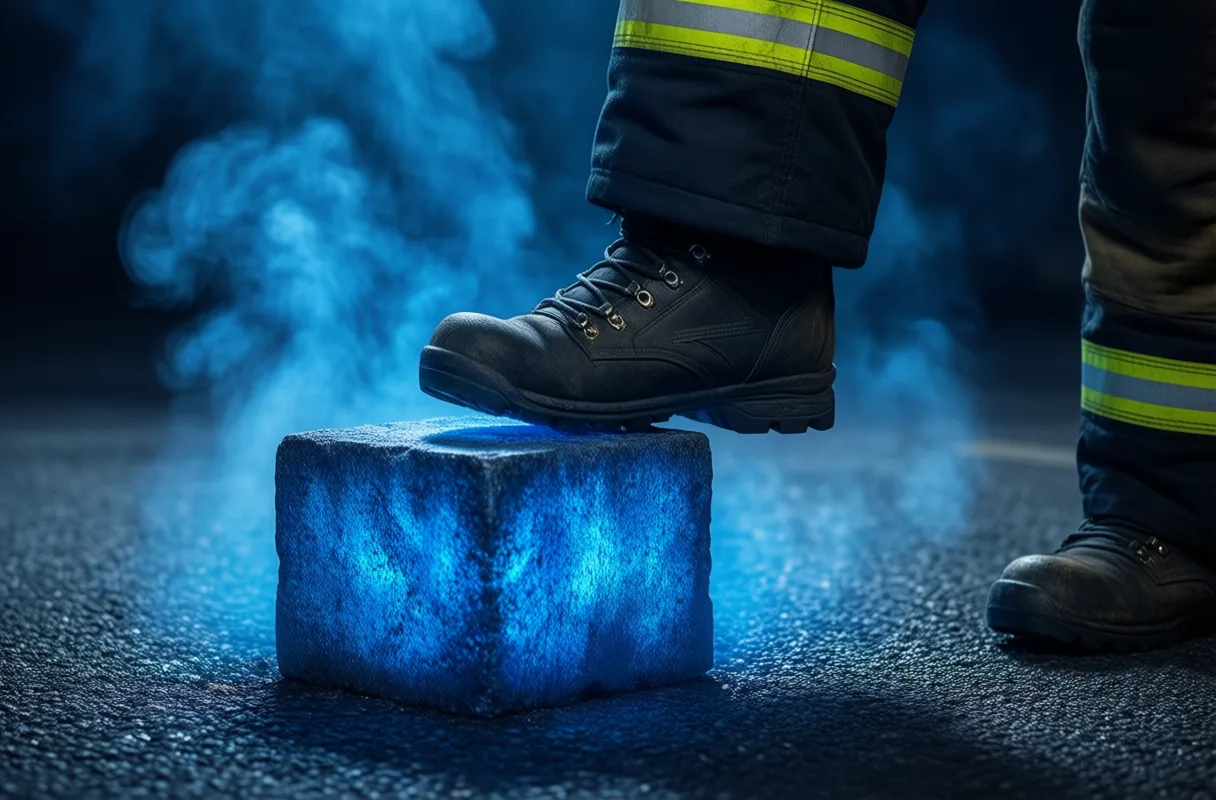
Radiation is invisible. It has no smell, no sound, no immediate sensation. And yet, the series makes it feel tangible-present in every breath, every shadow, every silence. It does this not through special effects, but through behavior. Characters check Geiger counters like nervous tics. They flinch at static on radios. They avoid touching certain surfaces, certain people.
The show consulted with physicists and medical experts to portray the effects of acute radiation syndrome with unflinching accuracy. The progression is methodical: nausea, then vomiting, then burns, then organ failure. One character describes it as “the feeling of being erased from the inside.” There’s no metaphor needed-the reality is terrifying enough.
Even the lighting reflects the science. Interiors are bathed in cold, greenish tones, mimicking the glow of ionizing particles. Shadows stretch unnaturally, as if the world itself is decaying. Sound design amplifies the unease-hums, clicks, distant alarms-reminding us that something is always watching, always measuring.
The brilliance lies in how the series turns abstract science into emotional truth. We don’t just learn about radiation-we feel its presence. It’s in the way a mother hesitates before hugging her child. In the way a doctor removes his gloves slowly, deliberately, as if afraid of what might be on his skin. The invisible becomes visible through restraint, not spectacle.
When Silence Speaks Louder Than Dialogue
There’s a scene where a dying firefighter’s wife is told she cannot hold him, cannot kiss him, cannot even stand too close. She sits by his bed, whispering words he can barely hear. The camera holds on her face-no tears, no outburst. Just stillness. And in that stillness, everything is said.
Silence in this series isn’t empty. It’s heavy with what cannot be spoken-the guilt of survivors, the shame of leaders, the grief of those who watched helplessly. Conversations end abruptly. Characters pause too long before answering. Whole scenes pass without a word, filled only with the hum of machinery or the rustle of protective suits.
This use of silence mirrors the way trauma lives in the body. It doesn’t always scream. Sometimes it sits quietly, waiting. The series understands that some truths are too large for language. How do you explain that the air itself is poison? How do you tell a parent their child will die slowly, painfully, from something they can’t see?
- A scientist stares at a map of fallout patterns, saying nothing
- A nurse removes a child’s contaminated clothes, her hands steady but her eyes hollow
- A bureaucrat signs a document, then sits in silence for a full minute
These moments aren’t meant to shock. They’re meant to linger. They ask us to sit with the weight of what was lost, and what was never said.
How Language Became a Tool of Power and Deception
In the hours after the explosion, officials use words to contain the truth. “Minor incident.” “Under control.” “No danger to the public.” These phrases aren’t lies in the traditional sense-they’re evasions, built from half-truths and omissions. Language becomes a shield, protecting the system from accountability.
One character, a scientist, struggles to explain the scale of the disaster using technical terms. His superiors cut him off, demanding simpler language-language that won’t cause panic. But simplification becomes distortion. The truth is buried not in outright denial, but in the careful shaping of words.
The series highlights how easily language can be weaponized. Reports are rewritten. Testimonies are edited. Press releases are drafted to reassure, not inform. Even the names of things are changed-“reactor accident” becomes “technical malfunction.” Each shift in phrasing moves the story further from reality.
This manipulation isn’t limited to officials. Ordinary people begin to doubt their own experiences. If the radio says everything is fine, but their skin is burning, who do they believe? The series shows how propaganda doesn’t always shout. Sometimes, it whispers, gently, until people stop trusting what they see, what they feel, what they know.
What Survivors Said When They Watched the Reenactment
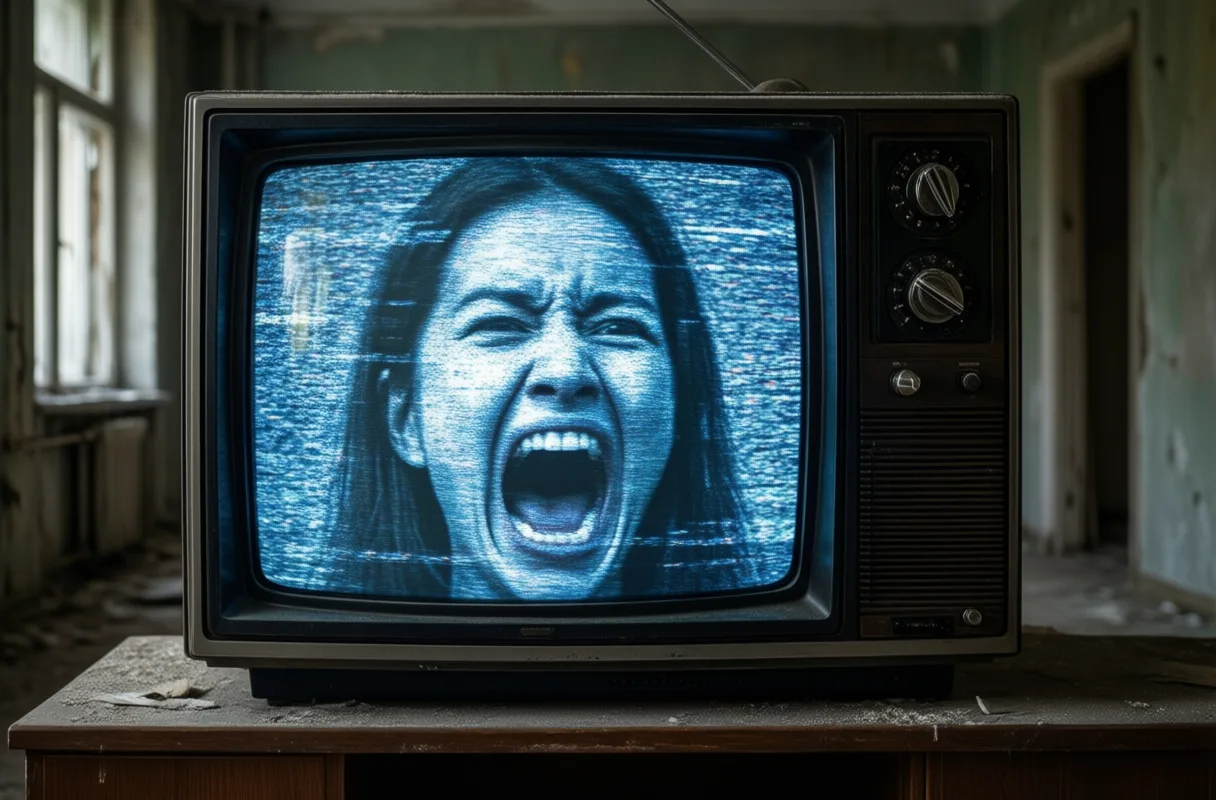
Accounts from those who lived through the disaster suggest a complex response to the series. Some praised its accuracy, recognizing moments from their own lives-the taste of metal in the air, the way the sky looked different that morning, the way people kept saying, “It will be fine.”
Others found it too painful to watch. Not because it was exaggerated, but because it was true. The sounds, the uniforms, the way officials dismissed early warnings-it all brought back memories they had spent decades trying to forget. For many, the series wasn’t entertainment. It was a reckoning.
A few survivors noted that while the physical details were correct, the emotional truth was harder to capture. How do you convey the numbness that followed? The guilt of surviving when others did not? The lifelong fear of illness, of passing something on to your children?
Still, many agreed on one thing: the series broke the silence. For years, the full story was buried, denied, minimized. Now, it’s being seen, discussed, remembered. That alone, for some, felt like a form of justice.
The Lasting Glow: Why This Story Still Matters
The story of Chernobyl is not just about a nuclear accident. It’s about what happens when institutions value image over truth, when systems fail not because of malice, but because of routine, because of silence, because of the simple refusal to listen.
Today, as climate change, misinformation, and technological risk shape our world, the lessons of Chernobyl feel urgent. The same patterns repeat-denial, delay, deflection. The same questions remain: Who do we trust? What do we believe? When do we act?
The Streaming series Chernobyl Doesn’t offer easy answers. It doesn’t need to. Its power lies in its refusal to look away. It asks us to bear witness, not just to a disaster from the past, but to the fragility of truth itself.
On Loaded, where independent voices and bold storytelling converge, this series stands as a reminder of what film can do at its best-not just entertain, but illuminate. Not just recreate, but reveal. In its quiet, unrelenting gaze, we see not just what happened, but what could happen again. And perhaps, what we must still prevent.
Behind the Scenes of Chernobyl
Research That Shaped the Story
The creators of Chernobyl Spent years digging into declassified documents, survivor testimonies, and scientific reports to piece together a timeline that felt true to what actually unfolded. They didn’t just rely on official records-interviews with liquidators, plant workers, and residents from nearby towns helped shape the emotional weight of the series. One striking detail? The infamous “Bridge of Death,” where locals supposedly watched the burning reactor and later died from radiation exposure, is more legend than fact. The show includes it not as literal truth but to capture the widespread disbelief and lack of awareness at the time.
Real Voices, Real Impact
To nail the accents and delivery, actors studied recordings of Soviet-era news broadcasts and interviews. Jared Harris, who played Valery Legasov, based parts of his performance on real scientists’ mannerisms-measured speech, restrained emotion, and that distinct way of holding oneself under pressure. Meanwhile, Stellan Skarsgård (Boris Shcherbina) transformed his posture and tone to reflect how officials of that rank carried authority, even when out of their depth. The result? A cast that doesn’t just act like they’re living in 1986-they sound and move like they belong there.
Small Details, Big Truths
Watch closely during the evacuation scenes: the belongings left behind were chosen carefully. Dolls, slippers, and half-packed suitcases weren’t random props-they mirrored actual items found in Pripyat apartments when people fled with minutes to spare. Even the color grading wasn’t arbitrary. The show’s washed-out palette reflects how high radiation can fog photographic film, giving old images from the zone a ghostly, faded look. These touches don’t scream for attention, but they quietly reinforce the eerie reality of a world altered by invisible danger.
Frequently Asked Questions
How accurate is the portrayal of the Chernobyl disaster in the series?
The series uses survivor accounts, technical reports, and declassified documents to recreate the disaster with forensic precision. Details like costumes, control panels, and dialogue reflect Soviet-era authenticity.
Did the show include real events like the 'Bridge of Death'?
The 'Bridge of Death' is more legend than fact, but the show includes it to capture the disbelief and lack of awareness at the time, not as literal truth.
How did the actors prepare for their roles in Chernobyl?
Actors studied Soviet-era broadcasts and real recordings. Jared Harris based his performance on scientists' mannerisms, while Stellan Skarsgård adapted his posture and tone to reflect Soviet officials.
What impact did the series have on actual Chernobyl survivors?
Some survivors praised the series for its accuracy and recognition of small details, while others found it painful to watch because it brought back repressed memories of the event.
This article was produced with AI assistance. How Loaded Video uses AI.
Sylvie focuses on actors’ emotional range and career evolutions, conducting deep interviews that highlight vulnerability and transformation. She frames performances within broader cultural currents, showing how personal journeys intersect with shifting industry landscapes and audience expectations.