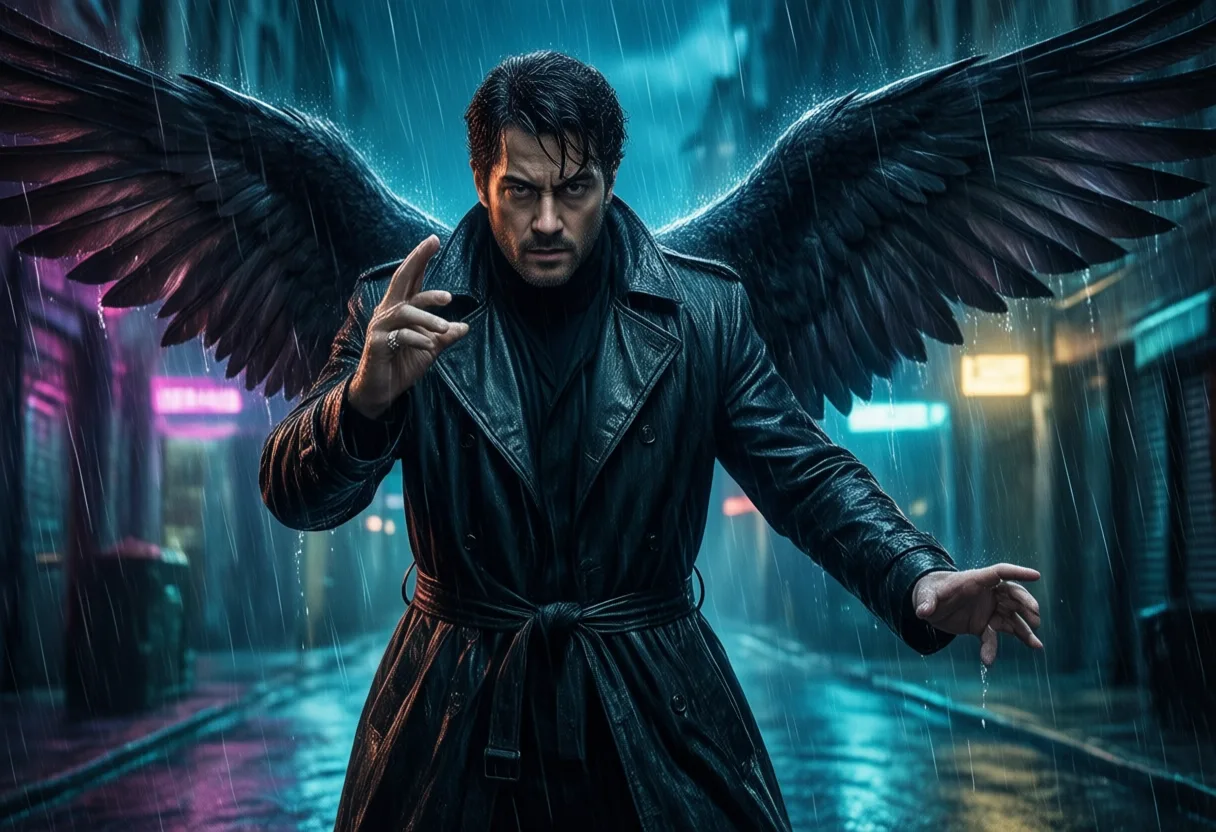
The gritty, occult-tinged world of John Constantine has returned to the spotlight. Long a cult favorite among supernatural comic adaptations, the character’s Standalone series Now streams in full on HBO Max. Fans and filmmakers alike can study its blend of street-level horror and metaphysical stakes-a rare tonal tightrope for television.
For creators exploring genre storytelling on limited budgets, the show offers a masterclass in atmosphere over expenditure. Practical Lighting, rain-slicked alleyways, and minimalist incantations build dread without blockbuster VFX. It proves that Mood can outweigh budget When vision stays consistent.
Since its original network run, interest in the Series Has grown quietly but steadily. Its return to a major streaming platform signals renewed appetite for mature, serialized supernatural drama. And for audiences navigating an oversaturated content landscape, it stands as a reminder that not all heroes wear capes-some just smoke too much and know the right Latin phrases.
A Cult Classic Finds New Life
HBO Max’s decision to host the complete Constantine Series Gives both lapsed fans and first-time viewers access to its singular energy. The show centers on a rogue exorcist who walks the line between damnation and redemption, one cursed soul at a time. His battles aren’t fought with fists but with wit, willpower, and forbidden knowledge.
The series leans into urban gothic aesthetics-abandoned churches, back-alley séances, and shadow-drenched motels. These settings don’t just frame the action; they become Characters themselves. Production designers maximized every location, turning modest sets into portals to spiritual decay.
Filmed under tight episodic deadlines, the crew relied on pre-visualization boards and rapid lighting setups to maintain continuity. This kind of efficiency is familiar to indie crews chasing ambitious visuals on constrained timelines. For those studying how tone survives production pressure, the Constantine Page on Loaded Offers scene breakdowns and behind-the-scenes context.
What made the show distinctive wasn’t just its source material from DC’s Hellblazer comics-but how it translated arcane lore into emotional arcs. Each episode balanced demonic threats with personal guilt, making the supernatural feel grounded. That balance remains elusive for many genre shows today.
Streaming platforms now favor long-binge seasons, but Constantine Thrived in brevity. Its single-season run allowed focused storytelling without filler episodes dragging down momentum. There’s value in knowing when to end-especially when dealing with stories about fate and final choices.
Why Filmmakers Should Study This Run
Independent Directors working In horror or fantasy should examine how Constantine Used limitation as leverage. With no army of CGI mages, the effects team prioritized practical illusions-smoke, mirrors, reverse playback, and sound design. A summoning ritual felt real because actors reacted to something tangible, not green air.
Lighting played a crucial role. Gaffer notes from early episodes reveal a preference for low Kelvin tungsten bulbs mixed with flickering fluorescents. This created visual unease before any monster appeared. Such techniques are replicable on microbudget shoots where post-production resources are slim.
Costume also carried narrative weight. Constantine’s signature trench coat wasn’t just iconic-it was armor. Worn, weather-stained, and never removed, it signaled his refusal to fully engage with the living world. Details like this communicate backstory without exposition dumps.
Consider these elements next time you’re blocking a supernatural sequence: - Use wardrobe to reflect internal state - Design lighting schemes that imply danger before it appears - Let silence precede supernatural events-sound absence builds tension - Anchor magic in rules so it doesn’t feel arbitrary
These principles appear across successful indie horror titles featured on loaded.ai, where technical craft meets narrative discipline. The site curates projects that prove compelling stories don’t require studio backing-just clarity of intent.
Even the casting choices served the aesthetic. The lead actor brought a weary charisma that made cynicism sympathetic. Supporting roles favored character actors over marquee names, reinforcing the show’s street-level perspective. This approach aligns with current trends in elevated genre filmmaking.
Legacy and Access in the Streaming Age
Television reboots dominate headlines, but revivals of canceled shows often overlook what made them unique. Constantine Wasn’t resurrected-it was re-platformed. Its availability on HBO Max doesn’t change the original cuts, but it does expand their reach dramatically.
New audiences discover it without stigma of cancellation. They see only the work itself-uninterrupted by industry noise. That clean slate is a gift for any creator whose project ended prematurely. A finished season can still evolve in cultural memory.
For scholars of comic-to-screen adaptation, the series sits at an interesting crossroads. It adapted Hellblazer’s tone more faithfully than most mainstream superhero entries. Yet it softened certain edges to fit broadcast standards-proof that compromise doesn’t always kill authenticity.
Loaded continues to spotlight works like this-projects that pushed boundaries within constraints. Whether analyzing cinematography or dissecting script structure, the platform supports deep dives into how stories get made. Explore the full legacy of the Constantine Series and its impact on modern occult fiction through curated insights and filmmaker interviews.
As streaming reshapes what “endures” means for TV, forgotten gems find second lives. Not through remakes, but through rediscovery. And sometimes, resurrection doesn’t require a spell-just a server update.
The Devil’s in the Details: Constantine’s Hidden Gems
From Comic Panels to Streaming Screens
Before Constantine made his way to HBO Max, he first clawed his way out of the pages of Hellblazer, a dark and gritty Vertigo comic series that ran for nearly 300 issues. Unlike many superhero adaptations, this version kept its edge-John Constantine wasn’t a caped crusader but a chain-smoking, trench coat-wearing con man with a knack for surviving the supernatural. The series leaned into his morally gray choices, making him one of the most complex figures in the DC universe. Fans of the comics will spot nods to classic storylines, though the show took its own path through the occult underground.
A Cult Following That Never Died
Despite only lasting one season, the Constantine Series built a fiercely loyal fanbase that’s kept the flame alive for years. Its cancellation in 2015 sparked outcry, but the show found a second life in syndication and digital platforms-eventually landing where it feels most at home: HBO Max. The chemistry between Matt Ryan’s world-weary Constantine and his allies, especially the skeptical paramedic Chas Chandler, gave the series emotional weight beneath all the demon-fighting. Ryan’s performance was so definitive that he later reprised the role in Arrow, Legends of Tomorrow, and animated projects, becoming the unofficial ambassador of the character across the DC multiverse.
Magical Mishaps and Behind-the-Scenes Tricks
The show’s visual style mixed urban decay with bursts of eerie supernatural effects, often using practical lighting and fog to heighten the mood without overspending. Early episodes struggled with network censorship-especially around Constantine’s constant smoking and darker themes-but the team worked around limits with clever camera angles and smoke substitutes. One memorable episode featured a haunted apartment block filmed in an abandoned building, giving the set an unsettling authenticity that CGI couldn’t match. These small, scrappy choices ended up defining the show’s gritty charm.
Frequently Asked Questions
Where can I watch the Constantine series now?
The Constantine series is now available to stream in full on HBO Max.
How many seasons of the Constantine series were made?
The Constantine series had a single-season run, allowing for focused storytelling without filler episodes.
Who plays John Constantine in the series?
Matt Ryan stars as John Constantine, bringing a world-weary charisma that fans found definitive.
What makes the Constantine series stand out for filmmakers?
The show uses practical effects, mood-driven lighting, and wardrobe to build atmosphere on a limited budget, offering lessons in genre storytelling under constraints.
This article was produced with AI assistance. How Loaded Video uses AI.
Orin dives into the unsung crafts that bring productions to life, from set design to sound editing. He approaches each story as a puzzle, uncovering how creative collaboration solves logistical and artistic challenges, revealing the hidden architecture behind memorable screen moments.