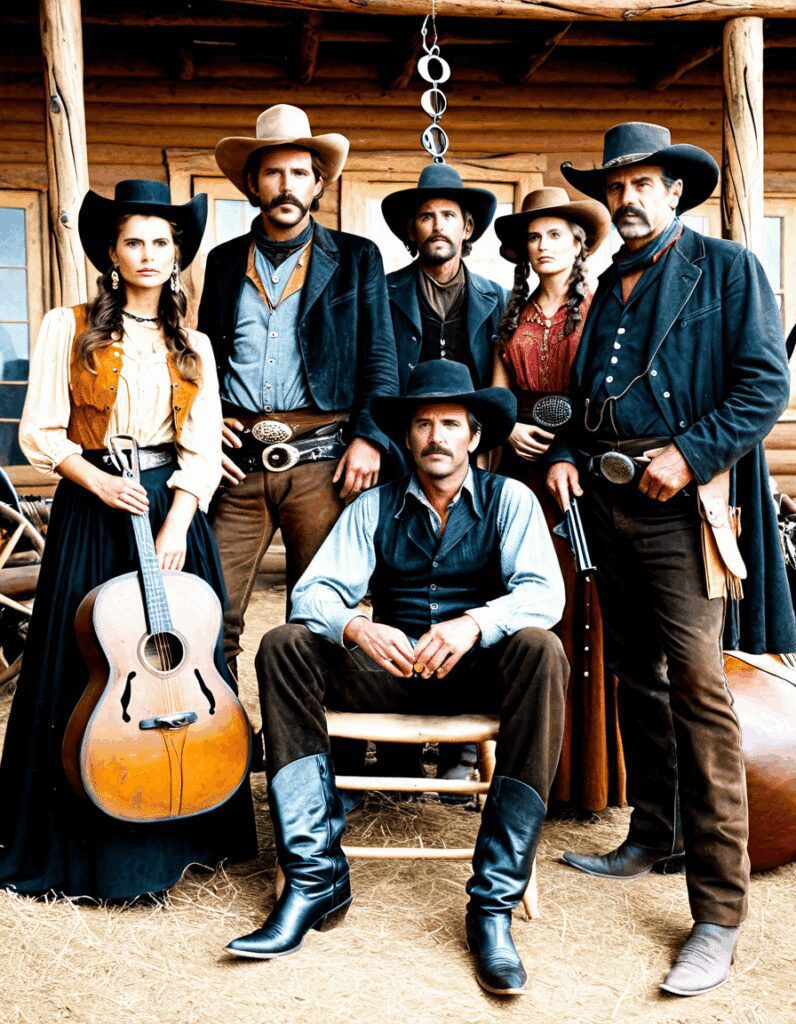
The cultural resonance of The Good, the Bad and the Ugly Continues to shape cinema decades after its release. As we look back in 2026, this iconic Spaghetti Western embodies audacious storytelling and stylistic innovation while profoundly influencing the narrative structures and aesthetic choices of contemporary filmmakers. Directed by Sergio Leone and featuring performances from Clint Eastwood, Eli Wallach, and Lee Van Cleef, this film didn’t just break grounds in the Western genre; it reinvented how audiences engage with film.
Examining The Good, The Bad and The Ugly Reveals a treasure trove of cinematic techniques that many filmmakers still exploit today. The lasting impact is felt in various genres-be it serious dramas, quirky comedies, or even contemporary action thrillers. Its fabric intertwines with modern storytelling, creating what can be understood as a cinematic quilt that weaves together both inspiration and innovation.
Let’s dive into seven concrete ways this legendary film shaped modern cinema.
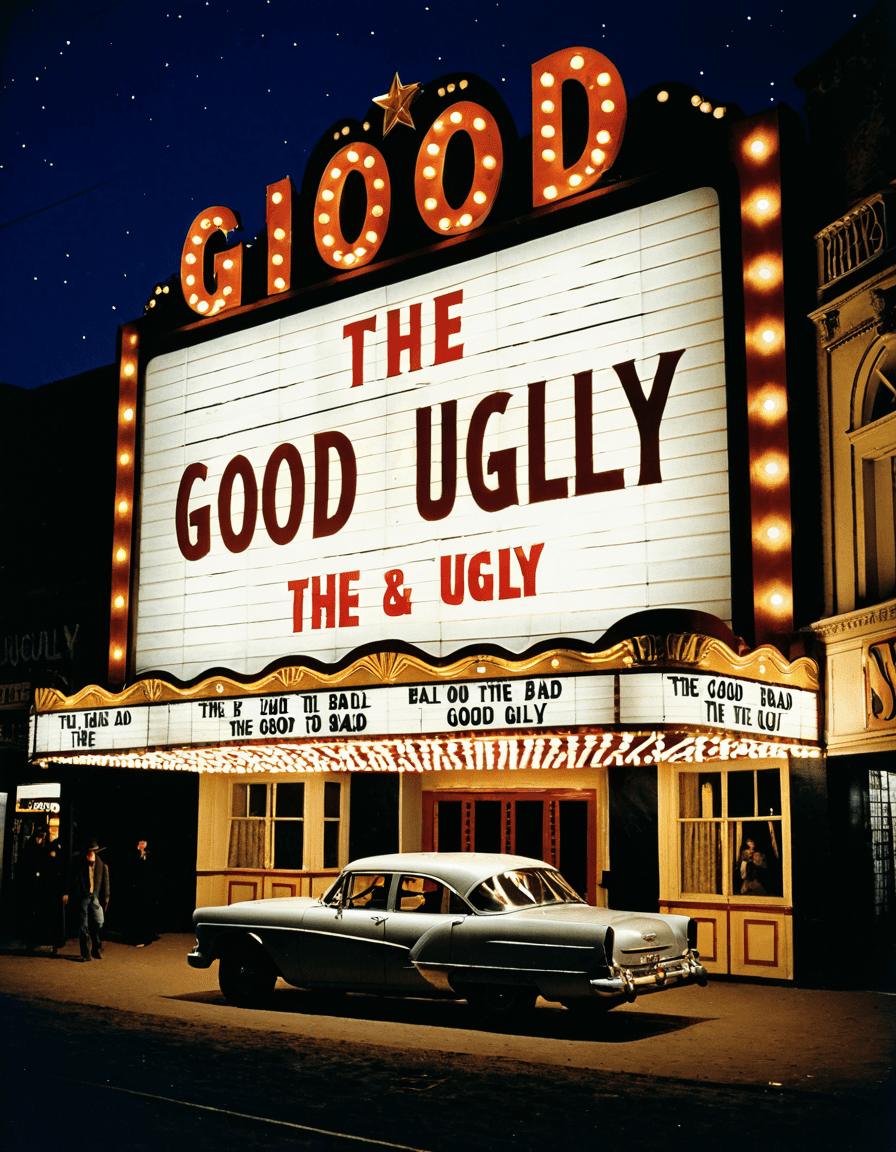
7 Ways The Good, The Bad and The Ugly Shaped Modern Cinema
The film broke away from the typical hero versus villain trope prevalent in many Westerns. It introduced morally ambiguous characters like Blondie, Angel Eyes, and Tuco, who encapsulate the essence of grey morality. Filmmakers today, such as those behind No Country for Old Men and Those Who Wish Me Dead, employ similar character developments, encouraging audiences to empathize with the complexities of their motivations. This grey area has become a staple of modern narratives, thanks to Leone’s bold character choices.
The Good, The Bad and The Ugly features fragmented storytelling that paved the way for non-linear narratives. Quentin Tarantino’s Pulp Fiction and Christopher Nolan’s Inception adopt similar techniques, inviting viewers to engage more deeply as they piece together the story. Leone’s clever use of structure builds tension and surprise, encouraging modern filmmakers to take creative risks and redefine conventional storytelling.
Ennio Morricone’s unforgettable score revolutionized how music enhances the cinematic experience. Instead of simply filling sound gaps, it became a driving narrative force. Films like What We Do in the Shadows, featuring its own quirky sound blending, illustrate the influential role of sound in storytelling. Morricone’s ability to evoke emotions and build atmosphere remains a crucial lesson for filmmakers aiming to create impactful cinema.
Leone’s exceptional use of close-ups and panoramic landscapes has had a lasting impact on visual storytelling. His framing techniques resonate through modern works, including Tarantino’s Django Unchained and Alejandro González Iñárritu’s The Revenant. These films capture intense emotional portraits against stunning backdrops, showcasing how Leone’s visual language continues to shape the aesthetic of modern cinema. Lesser-known indie projects are also adopting his stylistic choices, proving their universal relevance.
The anti-hero concept introduced in The Good, The Bad and The Ugly fundamentally reshaped character development. Figures like Walter White from Breaking Bad and Tony Stark in the Iron Man franchise echo the flawed, morally ambiguous protagonists crafted by Leone. This shift alters how viewers relate to main characters, extending empathy to those who deviate from classic heroic norms.
Leone’s use of sparse yet meaningful dialogue reflects the complexity of his themes. The power of minimalism in expressing deep emotions is a vital lesson that filmmakers like Greta Gerwig implemented in Lady Bird. The significance of every spoken word amplifies emotional stakes, allowing actors to deliver performances with profound impact that resonate with audiences.
The film’s influences extend even into the realm of comedy, inspiring shows like What We Do in the Shadows, which incorporates spaghetti Western tropes in a humorous context. This intertextual conversation highlights how genre conventions can be playfully transformed to generate entirely new narratives. Leone’s iconic scenes are often revisited, offering both homage and critique, showcasing their lasting effect on genre evolution.
The Cinematic Quilt: Stitching Together the Legacy
As we examine the narratives, characters, and stylistic choices inspired by The Good, The Bad and The Ugly, the film emerges as a cornerstone in the cinematic landscape. The textures of its influence are woven throughout contemporary storytelling, reminding filmmakers that every frame, score, and character carries a legacy weight.
From crafting morally intricate characters to blending soundscapes that evoke humor and sorrow, Leone’s work remains an indelible part of cinema’s past and present. The exploration of anti-heroes and the embrace of minimalist dialogue highlight a practice that has not just been inspired by Leone but redefined through the foundational text of his masterpiece.
In a world where cinema continues to evolve, the impact of The Good, The Bad and The Ugly Reaffirms that innovation is timeless, tapping into shared emotions and moral questions that define humanity. As filmmakers push boundaries and venture into new narratives, the echoes of Leone’s groundbreaking work will invariably linger, inspiring future storytellers to reflect, challenge, and revolutionize their craft.
So, if you’re a fan of storytelling, taking cues from a classic like The Good, The Bad and The Ugly Not only pays homage to cinema’s glorious past but also acts as a guiding light for future creations. Just like the unforgettable What We Do in the Shadows Cast, who mix genres to their own flair, contemporary filmmakers might find that the best parts of Leone’s legacy will always have a seat at the creative table.
The Good The Bad And The Ugly: Legendary Film Impact
A Cinematic Milestone
“The Good The Bad And The Ugly” isn’t just any old spaghetti Western-it’s a cultural touchstone that shifted cinema’s landscape. Directed by Sergio Leone, this 1966 film revolutionized the genre with its groundbreaking use of music, notably Ennio Morricone’s unforgettable score that gives the film an almost operatic feel. Interestingly, Morricone’s compositions have also inspired various contemporary artists, drawing parallels with the likes of Taylor Swift at Chiefs game, who similarly embraces impactful storytelling in her craft. The film’s iconic status is also reflected in the way it melds themes of greed and betrayal, much akin to the dynamics seen in classics like Little Women, where character struggles resonate on different levels.
Fun Facts and Unforeseen Connections
Here’s a kick: the film’s famous showdown sequences weren’t just luck; Leone painstakingly choreographed every frame, pushing the boundaries of cinematic storytelling. This meticulous attention to detail can be likened to the craftsmanship you’d find at places like Muebleria Villarreal, where fine artisans craft exceptional furniture. Also, did you know that Clint Eastwood, who played Blondie, was inspired by the stoic style of classic icons? His character’s enduring cool has reverberated through pop culture, influencing characters like those in shows such as Liv And Maddie, where cool charisma is a must.
As the film gained traction, it left a lasting impact on filmmakers and audiences alike. Its narrative structure is now echoed in various genres, including more experimental storytelling like One Day At A Time, showcasing that strong characters and well-crafted scripts can transcend the traditional Western mold. Moreover, the dynamics of three-way rivalries in the film have even paved the way for narratives in dramas like Gandhi, focusing on moral complexities and the human spirit.
An Ongoing Legacy
Even today, “The Good The Bad And The Ugly” persists in influencing filmmakers, with its recognizable elements honed by Sergio Leone still relevant in modern cinema. The grit and tension crafted by Leone’s team go hand-in-hand with emergent films, much like Wiz, where innovative storytelling continues to capture audiences’ hearts. The film sparked debates on depictions of violence, morality, and antiheroes-conversations that echo in today’s content and can even be found in the minds of fans analyzing the strategies of characters far and wide, from cinematic legends to cultural phenomena. As the legacy of this iconic film unfurls, it remains a vital thread in the fabric of storytelling, illustrating that great storytelling knows no bounds, whether set in the Old West or the halls of history.
This article was produced with AI assistance. How Loaded Video uses AI.
Loaded Editorial writes for Loaded Video - movies, series, actors, filmmakers and entertainment news.