The camera clicks don’t start on the red carpet. They begin in the hush of a greenroom, the rustle of fabric, the careful drape of a collar. Long before the premiere glow, actors step into another kind of spotlight: the interview circuit, where Every stitch Speaks-not of spectacle, but of strategy, comfort, and quiet intention.
How Do Actors Choose What to Wear for Interviews?
Choosing what to wear for a press appearance isn’t about chasing trends. It’s a quiet negotiation between personal identity, the film’s tone, and the invisible rhythm of media optics. Unlike red carpet events, where fantasy and grandeur reign, Interview outfits Exist in the realm of relatability-they must feel real enough to invite conversation, yet polished enough to command attention.
Stylists and actors often spend hours debating silhouettes, shades, and textures. The goal? To craft a look that doesn’t compete with the story being told, but instead frames it. A leading man in a gritty crime drama might opt for a charcoal sweater with a slightly worn edge, while a breakout star in a whimsical indie might lean into soft pastels and loose linen. These choices aren’t accidental-they’re Visual footnotes To the narrative unfolding in theaters.
The process is collaborative and deliberate. Actors bring their instincts; stylists bring context. Together, they navigate networks’ expectations, time zones, and the sheer exhaustion of back-to-back appearances. In those moments, the outfit becomes armor-something that holds up under lights, hugs the Body right, and survives eight hours of sitting, standing, smiling, and answering the same question in six different ways.
The Psychology Behind Red Carpet vs. Interview Styling
On the red carpet, Fashion Is fireworks-bright, explosive, designed to stop breath and dominate headlines. It’s a moment of transformation, where actors become avatars of glamour. But in the interview suite, the magic shifts. Here, Authenticity is the currency, and the clothes must feel like they belong to someone you could meet on a city sidewalk.
Red carpet ensembles are often custom, sculpted to the body and moment. They’re made to photograph from fifty feet away, to shimmer under flashbulbs, to be dissected by Fashion critics. Interview wear, by contrast, must survive close-ups. A stray thread, a wrinkle, a glare from a metallic thread-these details matter more than ever. The camera lingers on the face, but the eye catches the collar.
This duality shapes the psychology behind the wardrobe. On the carpet, actors lean into character-playing the part of the star. In interviews, they must balance that star power with Accessibility. A tailored blazer might signal authority, while a rolled-up sleeve hints at approachability. The right outfit walks the line between reverence for the craft and connection to the audience.
Why Comfort Sometimes Trumps Fashion in Promotional Rounds
No amount of style can compensate for discomfort when you’re sitting for twelve interviews in a single day. Comfort isn’t a luxury-it’s a necessity. Actors often choose pieces that move with them, breathe with the room, and don’t demand constant adjustment. A stiff collar or tight waistband can distract, shift posture, and even affect vocal tone.
Natural fabrics like cotton, wool, and silk are frequent favorites, not just for their elegance, but for their ability to regulate temperature under hot studio lights. Layers are key: a lightweight cardigan over a blouse, a breathable tee beneath a jacket. These small choices allow for adaptability across studios, climates, and moods.
Stylists often test outfits through mock interviews, watching how the fabric drapes during laughter, how the shoes hold up during long walks between sets. The best interview looks are the ones the actor forgets they’re wearing-So seamless they become invisible, leaving only the performance and the words to shine.
When a Simple Outfit Tells a Bigger Story
Sometimes, the most powerful statement is made through restraint. A plain white shirt, a well-fitted pair of trousers, a single piece of meaningful jewelry-these choices can carry more weight than any designer gown. In an era where audiences crave sincerity, Minimalism has become a language of its own.
Consider the actor promoting a film about loss or resilience. A stripped-down look can mirror the emotional core of the project, signaling humility and depth. There’s a quiet courage in showing up without armor, letting the work speak first. The outfit becomes a vessel, not a distraction.
This approach also resonates in interviews focused on social issues. When an actor speaks about sustainability, wearing a repurposed piece or a brand with ethical roots adds authenticity. When discussing mental health, a soft, grounded palette can reflect inner calm. The clothes don’t shout-they Whisper in alignment with the message.
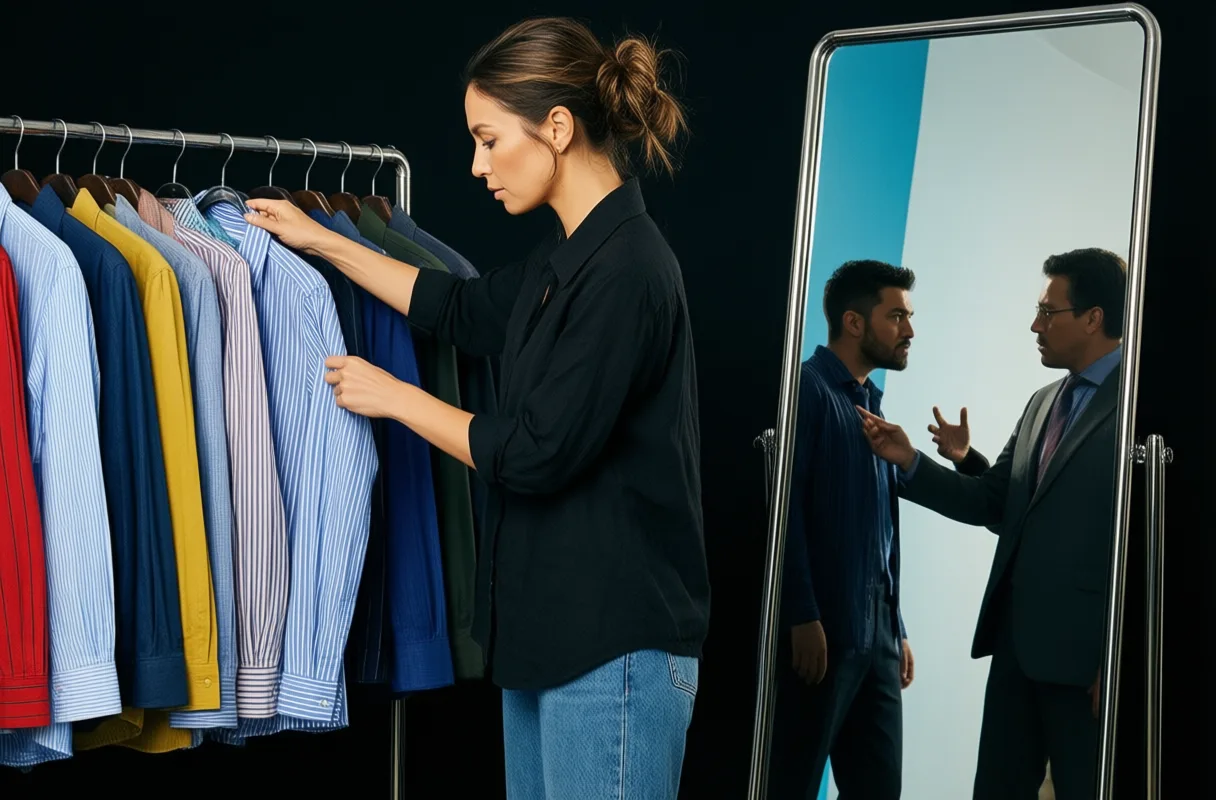
Beyond the Gown: The Subtler Language of Daytime Appearances
While evening galas draw the most eyes, the real marathon of promotion happens in daylight. Morning shows, radio booths, print interviews-these are the spaces where careers are shaped one conversation at a time. And in these settings, the fashion rules shift entirely.
Daytime appearances favor Versatility and clarity. Colors are chosen not just for flattery, but for how they read on camera-avoiding busy patterns that vibrate on screen or whites that bleach out under lights. Neutral tones with a pop of color near the face-like a deep burgundy scarf or navy blazer-help anchor the image.
Fit is non-negotiable. A well-tailored piece suggests respect-for the audience, the host, the craft. But tailoring doesn’t mean formality. A perfectly cut jumpsuit, a structured dress with flat shoes, or a crisp shirt with relaxed trousers can all strike the right balance between polish and ease.
And then there’s the unspoken rule of repetition. On a global press tour, actors often wear the same core pieces across multiple cities. This isn’t laziness-it’s strategy. A familiar silhouette becomes part of their promotional identity, a visual thread that ties the campaign together across continents and time zones.
Can an Outfit Undermine a Film’s Message?
Clothing carries subtext, and missteps can ripple. An actor promoting a film about economic hardship while wearing a $10,000 suit might invite criticism, not for the suit itself, but for the Perceived disconnect. Audiences are attuned to incongruence, especially when stories grapple with real-world struggles.
This isn’t about shaming luxury, but about alignment. When the wardrobe feels at odds with the narrative, it can create a subtle friction-something the viewer may not name, but will feel. A dystopian drama calls for grit; a romantic comedy, warmth. The clothes should echo the world of the film, even in conversation.
That said, actors are also individuals with personal style. The balance lies in intentionality. A bold fashion choice can work if it’s framed-spoken to, owned, woven into the conversation. The danger isn’t in dressing well, but in dressing Without awareness Of the story being told.
The Strategic Minimalism of Modern Promo Looks
In recent years, a quiet shift has taken place. The era of over-the-top branding and logo-heavy ensembles is giving way to something more refined. Less is becoming more-not out of frugality, but out of focus. The spotlight is meant for the film, not the label.
Modern promo styling often leans into quiet luxury: rich textures, muted tones, impeccable cuts. Think cashmere, raw silk, undyed cotton. These materials don’t scream, but they Register-on camera, in person, in memory. They suggest confidence without noise.
This minimalism also reflects a broader cultural shift. Audiences are fatigued by excess. They respond to sincerity, to moments that feel uncurated. A slightly tousled collar, a watch passed down from a parent, a dress worn before-these details add layers of truth. In a world of filters, Realness is the rarest accessory.
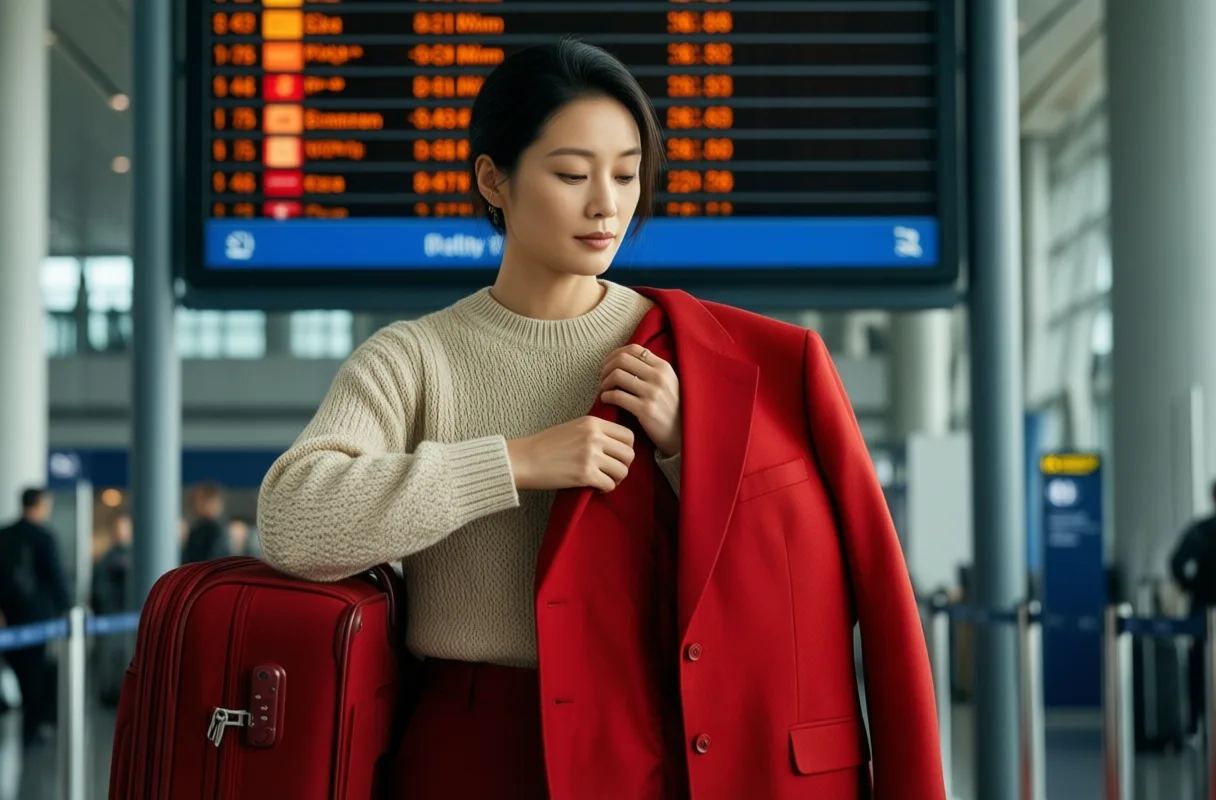
What We Can Learn from Real-World Styling Choices
Studying Actor Interview Outfits isn’t just about fashion-it’s about communication. Every choice, from shoe height to button stance, sends a signal. And for filmmakers, public figures, and even everyday professionals, there’s wisdom in observing how stars navigate visibility.
First, Intention matters more than expense. A $200 sweater worn with purpose can outshine a $2,000 jacket worn by accident. Second, consistency builds recognition. Repeating a signature look-like a particular shade of red lipstick or a style of blazer-creates a visual identity that audiences remember.
Third, comfort is credibility. When someone looks at ease, we trust them more. We believe their words because their body isn’t fighting their clothes. These lessons apply far beyond Hollywood-they’re relevant in boardrooms, classrooms, and any space where presence shapes perception.
Dressing for the Role, Not Just the Reporter
An actor on press tour is still performing-just not the character on screen. They’re performing Themselves, or a version of themselves curated for public consumption. And like any role, it requires costume.
The outfit becomes part of the performance, helping the actor step into the mindset of the spokesperson, the advocate, the artist. A structured coat might help a shy performer feel bolder; a soft dress might help a fierce character feel open to dialogue. Clothing as character work-it’s an old trick, renewed.
This is why stylists often collaborate with acting coaches or directors during campaigns. The look must align not just with the film, but with the emotional arc the actor is meant to convey. Joy, grief, defiance, hope-these tones can be echoed in hue, line, and drape.
Even the decision to wear something from the film’s wardrobe-like a jacket from a key scene-can deepen the connection between performance and promotion. It’s a bridge between fiction and reality, worn on the body.
The Unspoken Rules of Color, Fit, and Fabric
Color is never neutral. A deep blue conveys trust. Red signals passion or urgency. Earth tones suggest grounding. Actors and stylists study lighting, backdrop, and co-interviewees to ensure the palette supports, not clashes. Color is choreography.
Fit is about more than flattery. A too-tight sleeve can make gestures look stiff; a baggy jacket can drain energy from the frame. The ideal fit allows for movement, breath, and expression-It follows the body like a second skin.
Fabric tells a story too. Shiny materials catch light and draw attention; matte finishes feel more intimate. Wrinkles can read as carelessness or intentional ease, depending on context. Every texture sends a message-some loud, some so quiet they’re felt before they’re seen.
Final Frame: What Silence Says in an Actor’s Wardrobe
In the end, the most powerful part of an interview outfit might be what it doesn’t do. It doesn’t shout. It doesn’t distract. It doesn’t compete. Instead, it Holds space-for the story, the performance, the person behind the fame.
The best looks are the ones that vanish into the moment, leaving only the voice, the eyes, the truth of the performance. They’re not remembered for the label, but for how they made the actor feel-seen, supported, ready.
At Loaded, we know that film is more than what’s on screen. It’s the quiet choices, the unseen labor, the fabric of moments stitched together. And sometimes, the most profound statement is the one made in silence-by a sleeve rolled just so, a color chosen with care, a garment worn not for the camera, but for the moment.
| Factor | Purpose | Common Choices |
|---|---|---|
| Comfort | Endure long interview days | Natural fabrics, soft layers |
| Fit | Allow movement and expression | Tailored but not tight |
| Color | Photograph well, convey tone | Mid-tones, pop near face |
| Fabric | Respond to lighting and texture | Matte finishes, cashmere, silk |
| Style | Balance polish and ease | Structured blazers, jumpsuits |
What Stars Wear When the Camera’s Rolling
The Power of a Signature Look
Some actors lean into a personal style so consistent it becomes part of their brand. Think of someone like Cate Blanchett, who often turns up in sharp, monochrome ensembles that feel both modern and timeless. It’s not about hiding personality-it’s about controlling the narrative. A recognizable style can make an actor instantly identifiable, even in a sea of promotional content. And let’s be honest, when you're doing 10 interviews in a day, having a go-to uniform saves mental energy for the actual answers.
Comfort Meets Camera Ready
Even if an outfit looks effortless, it’s usually been vetted for both comfort and lighting. Dark colors can sometimes swallow an actor on camera, while bold patterns might create a moiré effect, so solid mid-tones or subtle textures are often favored. Layers are a quiet favorite-easy to adjust under hot studio lights. And footwear? Many ditch heels or stiff shoes the second the camera stops rolling. One actor reportedly changed into slippers between interviews during a long press day, proving that looking polished doesn’t mean suffering for it.
Stylists Work Behind the Scenes
Few stars show up to interviews in their own clothes without input. A trusted stylist often pulls options based on the show’s tone, the outlet’s audience, and even the time of day. A morning talk show might call for something bright and approachable, while a late-night couch chat could lean edgy or relaxed. The goal isn’t red carpet drama-it’s relatability with a hint of glamour. And sometimes, the simplest outfit is the result of the most thought.
Frequently Asked Questions
Why do actors prioritize comfort in interview outfits?
Comfort is essential because actors often sit through long press days with back-to-back interviews. Uncomfortable clothing can distract, affect posture, and even influence vocal tone, so natural fabrics and well-fitting pieces are chosen to ensure ease and focus.
How does interview styling differ from red carpet fashion?
Red carpet fashion emphasizes glamour and transformation, while interview styling prioritizes authenticity and relatability. Interview clothes must withstand close-ups, studio lighting, and long wear, favoring subtle textures and practicality over spectacle.
Can an actor’s outfit clash with their film’s message?
Yes, if the wardrobe feels disconnected from the film’s themes-like wearing luxury attire for a story about economic hardship-it can create a perceived incongruence that audiences may sense, even if not explicitly stated.
What role do stylists play in an actor’s promotional appearances?
Stylists collaborate with actors to select outfits based on the film’s tone, media outlet, time of day, and camera requirements. They test looks for fit, movement, and lighting to ensure the actor appears polished and at ease.
This article was produced with AI assistance. How Loaded Video uses AI.
Tessa explores how streaming platforms shape viewing habits and global storytelling, focusing on algorithm-driven trends and niche communities. She blends data with human stories to reveal the evolving relationship between audiences and digital content, making the invisible forces of streaming feel personal and immediate.