The Enduring Legacy of Clark Gable in Cinema
Clark Gable, often heralded as the quintessential leading man of Hollywood’s Golden Age, transcended the boundaries of classic film to become a cultural icon whose influence continues to resonate today. Gable’s impact is monumental-not just in the movies he graced but also in shaping how Hollywood and its leading men are perceived. Analyzing Gable’s legacy offers a unique glimpse into the evolution of American cinema and the standards set for future generations of actors.
Born on February 1, 1901, in Cadiz, Ohio, Clark Gable’s rise to fame was anything but typical. He began his journey on the stage, earning his stripes in various theatrical performances before eventually making his way to Hollywood in the late 1920s. His breakout role came with It Happened One Night (1934), which showcased his incredible comedic timing and undeniable charisma. But it wasn’t merely his on-screen presence that cemented his status; it was his ability to portray complex male characters that helped redefine masculinity in cinema.
Despite the passage of time, Gable’s influence remains prominent in today’s film industry. From independent filmmakers to major studio productions, the archetype of the dashing leading man continues to be influenced by Gable’s portrayal of layered, relatable characters. Those interested in crafting a compelling narrative should note how Gable’s approach offered depth and sophistication, setting the stage for the multifaceted roles we now see in modern cinema.
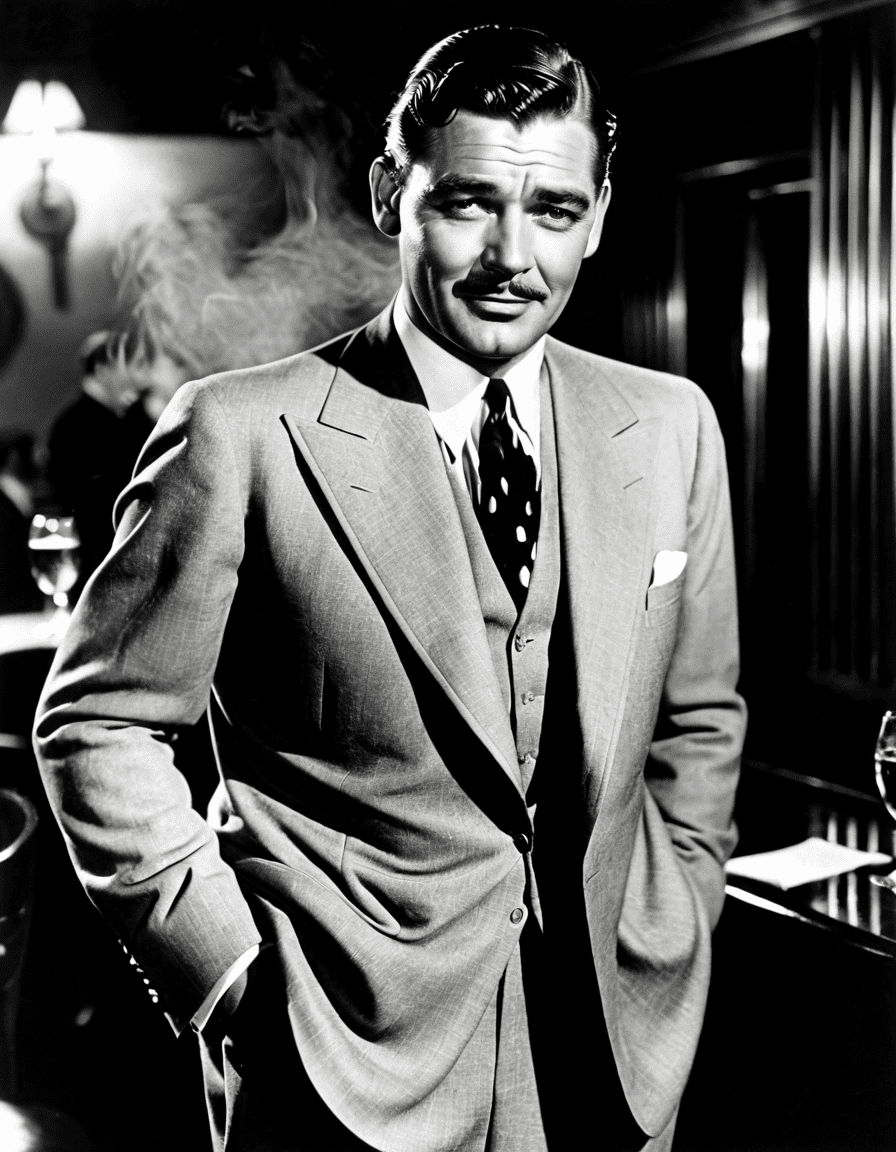
The Top 7 Most Iconic Roles of Clark Gable
Gable’s versatility and charisma shone through numerous roles throughout his illustrious career. Here’s a look at seven of his most iconic performances that defined not just his career but set a benchmark for future actors.
Gable’s performance as Rhett Butler cemented his status as a Hollywood heartthrob. This role showcased his ability to blend rugged masculinity with emotional depth. His famous line, “Frankly, my dear, I don’t give a damn,” remains one of the most iconic quotes in cinematic history.
In one of his early film roles, Gable starred as John Steele in this silent film. Though it remains somewhat obscure, it allowed audiences a glimpse of his early charm and screen presence, traits that would later attract widespread attention.
Gable’s portrayal of a resourceful reporter opposite Claudette Colbert won him an Academy Award for Best Actor. This screwball comedy helped shape the romantic comedy genre, establishing a formula that would be repeated for decades.
Gable took on a complex role as Mike Vargas, tackling moral dilemmas and personal ambition. This character highlighted Gable’s range, with themes of desire and consequence that resonate with viewers even in today’s context.
Although not the leading man, Gable’s chemistry with Ingrid Bergman added depth to this classic tale of love and sacrifice during WWII. His work influenced countless films exploring the themes of romance and duty, making waves across generations.
Gable’s final film, featuring co-stars like Marilyn Monroe and Montgomery Clift, showed him grappling with the realities of aging and change. The character he portrayed reflected the shifting Hollywood landscape, balancing tradition with the modern age.
This war drama showcased Gable as an actor of profound depth, moving away from his romantic leads. Exploring themes of decision-making during wartime added a new layer to his already rich filmography, solidifying his versatile reputation.
Clark Gable’s Impact on Hollywood and Beyond
Clark Gable’s influence stretches far beyond his impressive filmography. His unique style, captivating charisma, and portrayal of male characters forever altered Hollywood’s landscape:
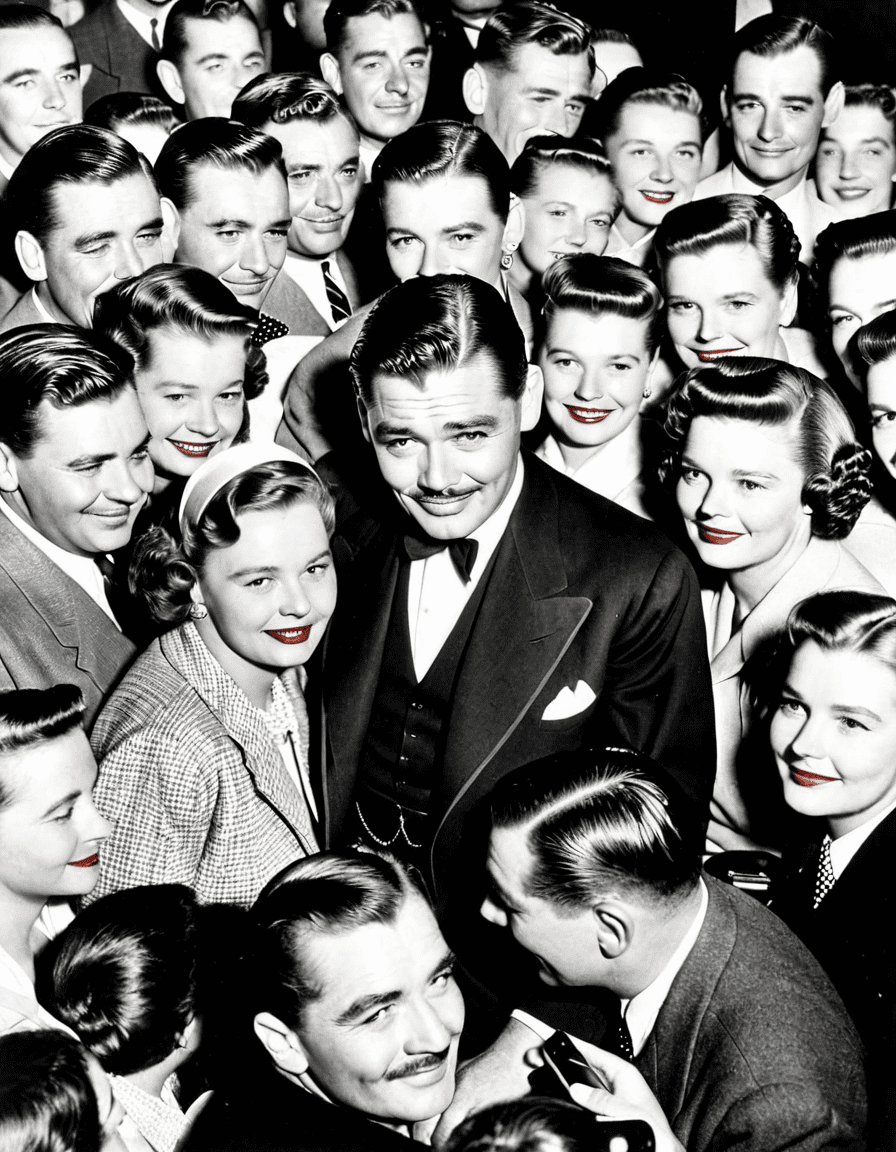
A Cinematic Journey Through Time
Reflecting on Clark Gable’s life and career unveils a rich tapestry of Hollywood’s evolution throughout the 20th century. His remarkable ability to adapt-moving from silent films to talkies and evolving through black-and-white to Technicolor-demonstrates a rare versatility that not only defined Gable as an actor but also mirrored societal changes in America.
As we delve into the future of cinema, examining Gable’s influence becomes essential for film historians and aspiring filmmakers alike. His legacy inspires new generations, ensuring that the iconic King of Hollywood’s Golden Age will remain a timeless figure in the annals of cinema. Whether you’re intrigued by the Blackish cast Dynamics or are eager for What To watch on Netflix Now, Gable’s spirit lives on, inspiring countless stories yet to be told.
As we anticipate Movies coming out in 2025, we can often find inspiration in the greats like Clark Gable, laying the groundwork for modern storytelling and captivating cinema, much like the tales spun in Lindo Dia Or even capturing the essence found in this humorous look at life encapsulated in Big Ass. Just as we guide ourselves through current concerns like The Villages hurricane Idalia, reflecting on icons like Gable allows us to ground ourselves in the art, history, and storytelling that enables us to dream big-perhaps with a Gallon water bottle In hand as we ponder our cinematic aspirations.
Clark Gable: The King of Hollywood’s Golden Age
The Man Behind the Legend
Clark Gable was known for his signature charm and suave demeanor. This charismatic actor not only won over audiences but also had an unusual knack for keeping his private life just that-private. Despite his fame, Gable often shied away from the limelight, preferring to live life simply. Did you know he once worked as a riveter during World War I? His rugged background added a layer of depth to his on-screen heroics, drawing audiences in like a moth to a flame. This ‘man of the people’ image endeared him to many, showcasing a gentler side of the Hollywood badass.
Interestingly, Gable’s signature mustache was also part of his allure. It wasn’t just a style choice; it became a symbol of his rugged masculinity that defined leading men of his era. In fact, when he first appeared in “It Happened One Night,” his on-screen chemistry with Claudette Colbert sparked countless rumors about their off-screen romance, illustrating how love stories (both real and fictional) often surrounded Clark Gable’s legacy. Those behind-the-scenes tales really speak to how entwined actors’ lives became with their characters-much like what Darren Star Often explores in his creations.
Hollywood’s Golden Ticket
You might be surprised to learn that Gable’s career skyrocketed after his role in “Gone with the Wind.” He went from a relatively unknown actor to a household name virtually overnight, commanding top billing. Yet, it wasn’t all glitz and glamour. Between films, he genuinely cared for the industry and contributed to shaping it. During his downtime, he became an advocate for the Screen Actors Guild, working tirelessly for actors’ rights. Now, that’s a side of Gable many don’t often realize.
Despite being the quintessential local hero on-screen, Gable’s personal life could be a whirlwind. He had five significant relationships and was married three times, each marriage bringing its own blend of drama and intrigue. Talk about a King of Hollywood, right? His life resembled one of those dramatic screenplays, where every twist and turn left fans buzzing. You could say he lived life as if it were an open book, yet with some definitive pages carefully kept under wraps-much like his brief time in the military service during the Second World War, which has become a forgotten chapter in the history of Hollywood legends.
In short, Clark Gable wasn’t just a star; he was a phenomenon. The way he balanced his roles, both on and off-screen, still captivates modern audiences and film buffs today, cementing his status as an enduring icon in cinematic history. His legacy? Well, it’s etched in film reels and hearts alike!
Who was Clark Gable’s male lover?
What caused Clark Gable’s bad breath?
Who did Clark Gable leave his fortune to?
What movie was Clark Gable making when he died?
Who was Clark Gable’s lover?
Why did Vivien Leigh not like kissing Clark Gable?
Was Clark Gable a heavy drinker and smoker?
Which actor has held their breath the longest?
Did Vivien Leigh get along with Clark Gable?
Who was Clark Gable’s biggest love?
Who was the father of Loretta Young’s illegitimate child?
What was Vivien Leigh’s net worth when she died?
What did Marilyn Monroe think of Clark Gable?
Why did Ben drink himself to death in leaving Las Vegas?
Who was Clark Gable’s favorite leading lady?
Who was Clark Gable’s biggest love?
Did Anne of Green Gables deal with homosexuality?
Who was the love of William Powell’s life?
Did Doris Day like Clark Gable?
This article was produced with AI assistance. How Loaded Video uses AI.
Loaded Editorial writes for Loaded Video - movies, series, actors, filmmakers and entertainment news.