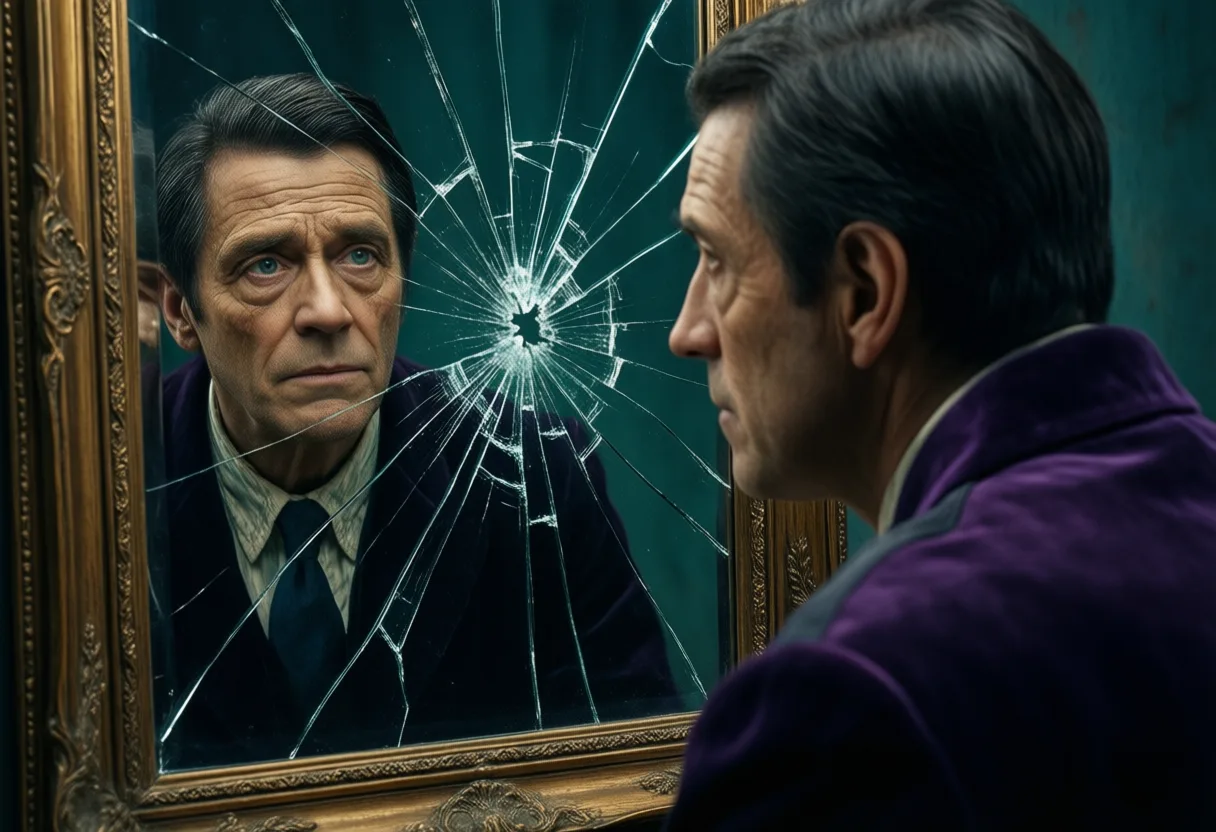
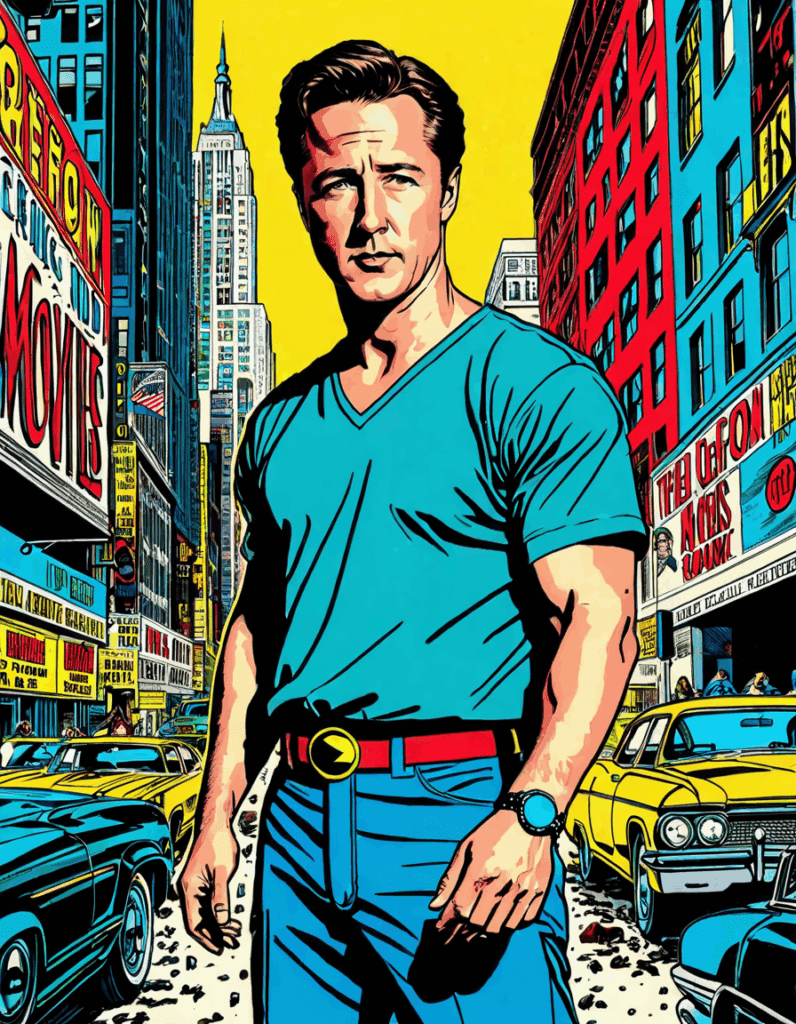
Ed Norton, a towering figure in modern cinema, has carved out a niche that blends raw talent with an unyielding commitment to authentic storytelling. Since his breakthrough performance in Primal Fear (1996), his movie roles often dive deep into complex themes, challenging both his capabilities as an actor and the very fabric of Hollywood narratives. This article explores how five standout Ed Norton movies have not only shaped his career but also redefined contemporary filmmaking, nudging audiences and filmmakers alike toward richer, more thought-provoking narratives.

The Impact of Ed Norton Movies on Contemporary Storytelling
Norton’s filmography is a tapestry of character-driven narratives that often hang on the balance of moral complexity and social issues. His characters don’t just exist; they struggle, evolve, and resonate with viewers in profound ways. Through each film, Norton nudges the audience to confront their beliefs and reasons for what they hold true. From explorations of identity in Fight Club To the haunting revelations in American History X, his work embodies a shift in how stories are told, presenting multifaceted characters that challenge stereotypes.
Additionally, Ed Norton movies offer an emotional range that encourages filmmakers to push creative boundaries. Understanding people’s motivations and the societal issues at play becomes a focal point in his roles. In doing so, Norton inspires a new generation of storytellers looking for depth in character development and narrative arc.
With the rise of indie films that focus on authentic stories, Norton’s work exemplifies how personal narratives can indeed stretch across various genres while retaining emotional weight. His films have set the stage for the likes of Tom Holland movies And Sam Rockwell movies, which continue to explore similarly complex themes.

5 Ed Norton Movies That Shaped Modern Cinema
1. Fight Club (1999)
Let’s kick things off with Fight Club-a film that remains iconic in its commentary on consumer culture and masculinity. Directed by David Fincher, Norton plays an unnamed protagonist whose existential crisis leads to the birth of Tyler Durden, embodied by Brad Pitt. This film invites viewers to reevaluate the societal ideals surrounding masculinity and the often-dehumanizing cycle of consumerism.
Its innovative narrative structure and unreliable narration encourage a deeper examination of character motivations, and this remains a significant influence in cinema today. Fight Club Isn’t just a film; it’s a powerful critique that has given rise to numerous discussions around mental health, societal expectations, and the quest for identity.
2. American History X (1998)
Next on the list is American History X, where Norton’s portrayal of Derek Vineyard is nothing short of transformative. Through a gripping and violent narrative, the film tackles the grim realities of racism and redemption. As Derek struggles with his past and attempts to guide his younger brother away from the same destructive path, audiences are compelled to confront their prejudices and the deep-rooted issues behind them.
The film’s tough-to-watch moments are counterbalanced by its hope for change, highlighting the importance of empathy and understanding. The non-linear storytelling style, coupled with striking cinematography, underscores the complexity of the themes discussed, influencing filmmakers in how they approach sensitive subjects in plots.
3. Birdman (2014)
Norton shines in Birdman, directed by Alejandro González Iñárritu, where he plays Mike Shiner, an actor navigating the chaos of artistic integrity amid the grind of Hollywood. The film’s unique format, utilizing long takes, immerses viewers in a world that is hilariously chaotic yet poignant.
By blending realism with surreal elements, Birdman Captures the struggle for recognition in a world driven by commercial success. Norton’s performance invites audiences to examine the intersection of identity and fame, prompting discussions on what it means to be truly successful in the creative industry. This fits right in with the evolving narratives we see across contemporary films today.
4. Motherless Brooklyn (2019)
In a film that marks his directorial debut, Motherless Brooklyn, Norton takes on a role that extends beyond acting. Set against the backdrop of 1950s New York, he portrays a private detective with Tourette syndrome, redefining expectations of the detective genre. By shifting the focus from plot-driven to character-driven narratives, Norton adapts a story rich with personal and societal layers.
His approach resonates with trends in indie filmmaking, showcasing how authenticity in storytelling can offer fresh and engaging perspectives. Norton successfully bridges the gap between mainstream and independent cinema, mirroring the way films like Cherry And Three Billboards Outside Ebbing, Missouri Tackle multi-dimensional character arcs.
5. The Illusionist (2006)
Last but not least is The Illusionist, where Norton portrays Eisenheim, a magician embroiled in a narrative of love, ambition, and political intrigue. Set in early 20th-century Vienna, the film’s intricate storytelling and enchanting visuals complement its exploration of social class disparities.
Norton’s performance captivates audiences, reminding them that the power of storytelling often lies in its capacity to intertwine different genres and themes. The intricacies found in The Illusionist Have paved the way for filmmakers like Tyler Perry and Owen Wilson, as they also explore blending various narrative styles.
Ed Norton’s Influence Compared to Other Powerhouse Performers
When putting Ed Norton’s remarkable filmography in perspective, it’s helpful to compare it with other influential performers. For instance, Owen Wilson movies Often weave humor with emotional depth, revealing intricate layers of vulnerability within characters. Similarly, Sam Rockwell movies Delve into flawed personas, illustrating how complex narratives can amplify character authenticity.
Meanwhile, actors like Malcolm Jamal Warner Have shaped narratives that depend heavily on emotional resonance, underscoring the necessity for layered storytelling. Moreover, the storytelling in contemporary cinema, from Will Poulter Movies To works by Kaitlin Olson, showcases an increasing desire for narratives that trigger conversations around real-life issues.
Wrap-Up: The Enduring Legacy of Ed Norton in Film
Ed Norton’s impact on modern film isn’t just about acting; it reflects a dedication to storytelling that challenges audiences to rethink their perceptions. His movies enrich the landscape of cinema, weaving social commentary with intricate plots and multi-dimensional characters. As audience expectations continue to evolve, demanding deeper and more meaningful narratives, Norton’s legacy is bound to influence generations of filmmakers.
Whether it’s through the emotional struggles depicted in American History X Or the existential inquiries in Fight Club, Ed Norton movies remain a cornerstone of influential cinema. They underscore the important connection between storytelling and societal reflection, ensuring that audiences walk away with more than just entertainment-they gain insights that linger well beyond the credits.
Ed Norton Movies That Redefine Modern Cinema Today
Intriguing Tidbits About Ed Norton Movies
You might think you know everything about Ed Norton, but there’s plenty of fun trivia tucked away in his impressive filmography. For starters, did you know that his breakout role in “Primal Fear” wasn’t just a win for him, but also for the film itself? The movie set the stage for a fresh wave of courtroom dramas, reminiscent of the unforgettable twists and turns found in classics like Demolition Man. Plus, Norton’s dedication to his craft has led him to work with a variety of co-stars, showing off some solid on-screen chemistry, much like that famous camaraderie between actors in “16 Candles”.
Moving beyond his intense film portrayals, Norton’s versatility shines through in “Moonrise Kingdom,” where he tread the fine line between comedy and drama. It’s no wonder that some of his performances are celebrated alongside those of actors like James Marsden, who also knows a thing or two about indepth characters. Speaking of moments off-screen, did you catch his charming cameo on Trixie MattelS show? It’s a delightful blend of humor and candidness that reminds us of his relatable personality, which contrasts sharply with some of the heavy roles he’s taken on.
Norton’s knack for picking diverse scripts keeps his career fresh, reflecting the trends and tastes of audiences. A look at his film journey reveals that he’s not afraid to dive into quirky storytelling. Some may find parallels between his films and the array of juicy options on an Arby’s menu, offering something for every craving. Whether it’s tackling tough subjects or exploring bizarre narratives, Ed always brings that distinct flair to his projects that makes them stand out. So next time you’re watching a gripping Ed Norton movie, you can appreciate the layers and clever choices that went into making it, much like piecing together a complex puzzle-just like how Raley Made grocery shopping fun!
On a final note, Ed’s contributions to modern cinema underscore a transformative phase in filmmaking. He often gravitates toward indie projects that elevate narratives beyond the mainstream, imbuing them with meaning and depth. This kind of innovation feels akin to discovering a hidden gem, like the elegant details of an Etoile Piece, which resonate with audiences in unexpected ways. Next time you watch one of the riveting Ed Norton movies, take a moment to reflect on not just the story, but also the art of storytelling itself!
This article was produced with AI assistance. How Loaded Video uses AI.
Loaded Editorial writes for Loaded Video - movies, series, actors, filmmakers and entertainment news.