The Enduring Legacy of Fred Astaire in Cinema
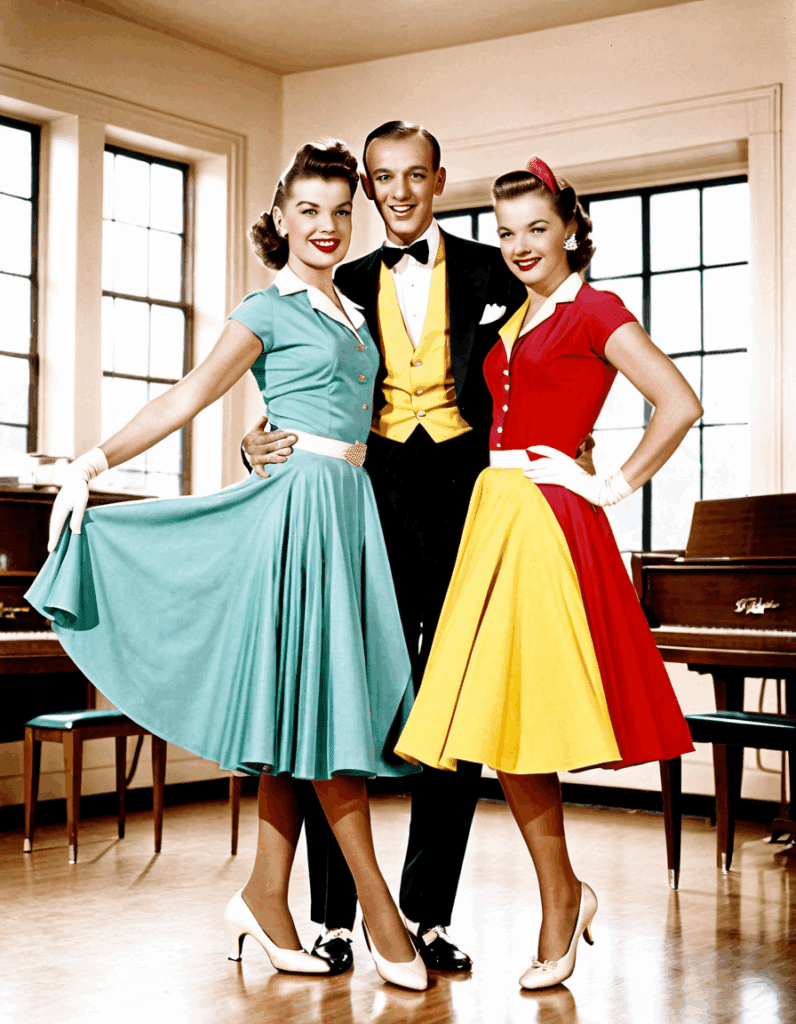
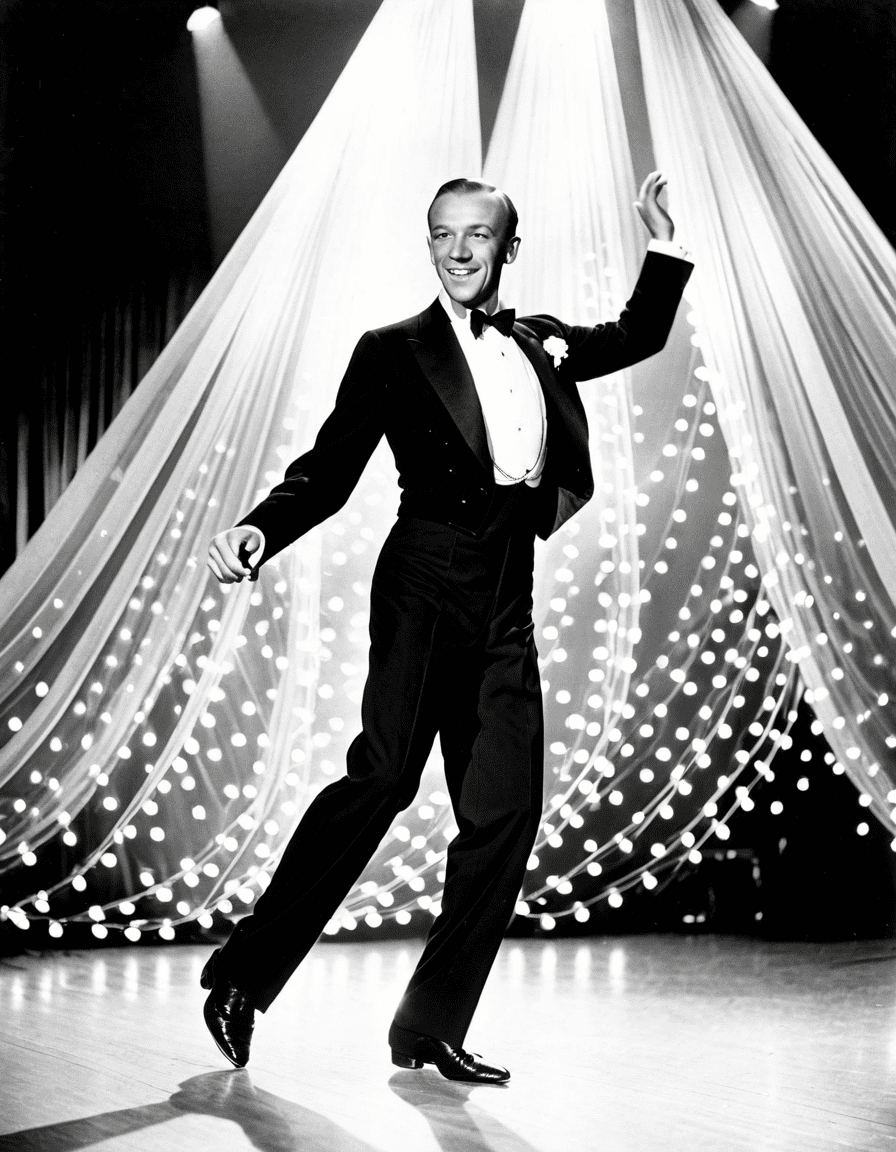
Fred Astaire is more than a name; he symbolizes a monumental change in how dance and performance were perceived in Hollywood. Born in 1899, this innovative dancer, actor, and choreographer changed the film industry forever, merging music and movement in ways that captivated audiences. His collaborations with Ginger Rogers showcased not just his mastery of dance but an extraordinary talent for storytelling through song and movement. While many actors leaned heavily on theatrics, Astaire offered a different approach-one that was authentic and fluid. Watching him perform felt like a spontaneous celebration rather than a staged exhibition.
Astaire’s legacy goes far beyond the realm of dance; he established new storytelling dimensions in film. He brought a rare blend of charm and technique to the big screen, making it seem effortless and accessible. With eyes glued to the screen, audiences felt the rhythm of the music merge with Astaire’s innate grace, transporting them into a mesmerizing world of imagination and emotion. His art mirrored the spontaneity of life itself, capturing playful moments that seemed to flow naturally. Every twirl and tap contributed to the story, making him an influential figure whose impact resonates in many contemporary performances.
Fast forward to today, and Astaire’s influence is still felt in various forms of entertainment-from Broadway musicals to modern films. His principles of dance and performance have not only paved the way for iconic actors but have also laid the groundwork for diverse artistic expressions. This continuous thread of inspiration connects Astaire to countless artists, allowing his legacy to thrive well into the 21st century.
Top 7 Influences of Fred Astaire on Modern Cinema
1. Seamless Integration of Dance and Film
Fred Astaire revolutionized the musical genre by emphasizing seamless, fluid dance sequences that advanced the story rather than interrupted it. Films like Top Hat And Swing Time Became benchmarks for how choreography could complement narrative flows. Even avant-garde filmmakers like Werner Herzog have acknowledged the precision in Astaire’s routines, showing how effective choreography can be for storytelling.
Astaire’s influence is evident in his ability to merge rhythm and plot. Today’s filmmakers continue to learn from his unique approach, using dance not just as entertainment but as a vital element of storytelling. Modern dance sequences in films, whether it’s a musical or a drama, still echo the essence established by Astaire decades ago.
2. A New Standard for Musicality
Astaire’s extraordinary knack for bringing music to life through movement transformed how emotions are conveyed on-screen. The iconic duo of Astaire and Rogers didn’t just perform; they embodied the spirit of the music. This concept fuels contemporary musical productions where choreography and song go hand in hand-think of Hamilton, where the rhythm and lyrics interact dynamically to illustrate character arcs.
Musicals now place as much emphasis on the choreography as they do on the story, a testament to Astaire’s enduring legacy. Just as Astaire had to make each movement sing, today’s performers channel that philosophy, resulting in a holistic artistic experience that connects audiences in profound ways.
3. Reshaping the Male Dancer Archetype
Before Fred Astaire, male dancers often found themselves stuck in supportive roles. Astaire changed that perception, redefining masculinity through dance and showcasing male figures as confident leaders capable of expressing elegance and emotional depth. Jack Nicklaus’s graceful swing in golf often draws parallels; both demonstrate that men can excel in activities that embrace artistry.
This shift liberates future male actors and dancers, encouraging them to embrace their own styles. We see this evolution today, as performers like Justin Timberlake and Bruno Mars find success in intertwining choreography and stardom, largely due to the framework laid by Astaire. He proved that dance could carry the same weight as dramatic roles, bolstering his status as an icon.
4. The Influence of Fred’s Style on Iconic Actors
Fred Astaire’s charm resonated throughout Hollywood and inspired a wave of artists, including Gene Wilder and Bronson Pinchot. Wilder’s whimsical characters in films like Young Frankenstein Exhibit a spirit reminiscent of Astaire’s light-heartedness. The fluidity and comedic timing that Astaire personified now infuse performances across genres.
Moreover, Bronson Pinchot’s approach, filled with enthusiasm and playfulness, also draws from Astaire’s performance style. Pinchot’s characters often radiate the same charm, proving that Astaire’s essence has impacted various talents, irrespective of the genre. Their ability to seamlessly blend humor with physicality reveals how universal Astaire’s influence truly is.
5. The Visual Chemistry with Partnering Performers
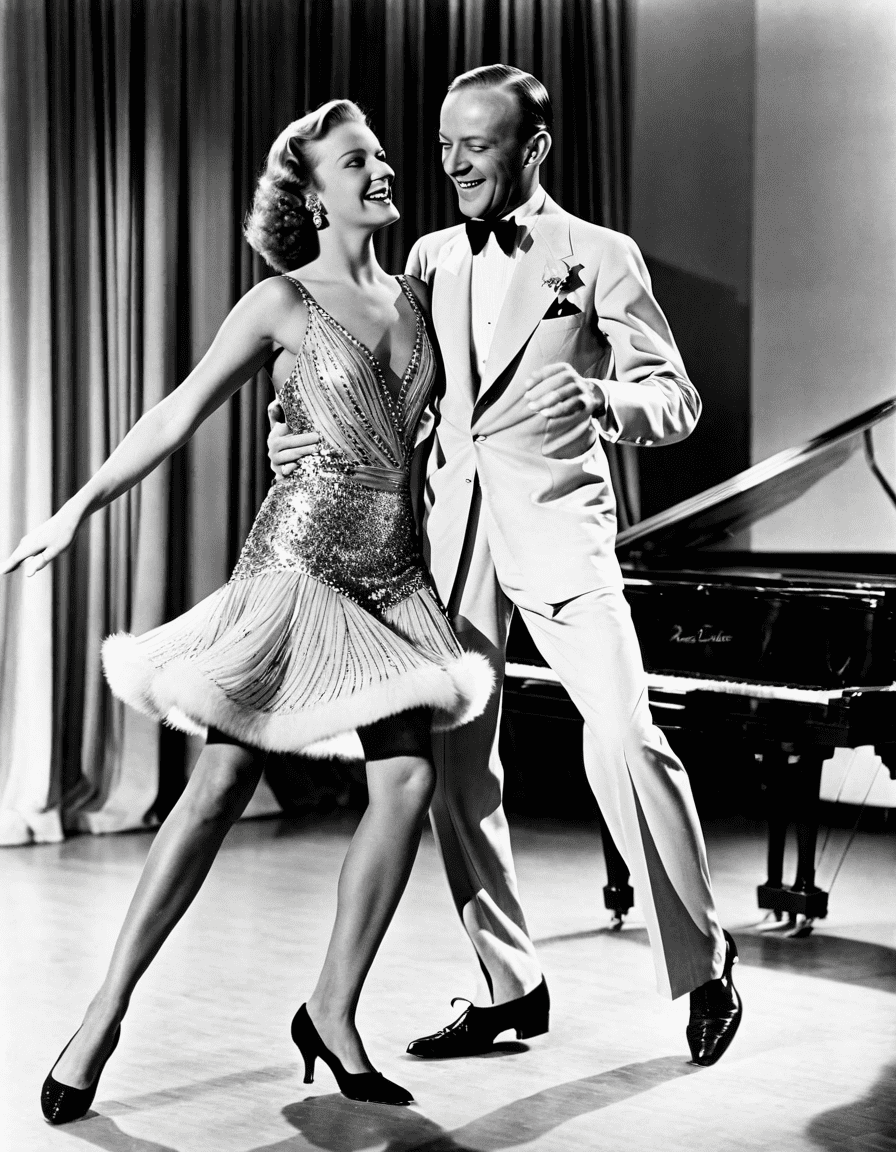
Astaire’s dynamic with Ginger Rogers remains one of cinema’s most celebrated partnerships. Their chemistry illuminated a beautiful dance narrative that transcended mere romantic interactions, showcasing how synergy can elevate a performance. Their exchanges on-screen were electric and passionate, captivating audiences as much as their dancing.
Similarly, Tom Selleck in Magnum P.I. Exemplifies the charm and charisma that make on-screen partnerships shine, echoing the captivating chemistry that Astaire embodied. Partnerships in film continue to thrive on this chemistry, where the interplay of talent gives life to the narrative, much like Astaire and Rogers did.
6. Footage and Symmetry: A Choreographic Revolution
Fred Astaire’s dedication to filming dance numbers in their entirety was revolutionary. He favored elaborate sets and inventive camera angles, techniques that modern filmmakers still utilize. Movies like Moulin Rouge! Directed by Baz Luhrmann exemplify this approach, showcasing visual storytelling where the camera dances parallel to the performers, capturing the magic Astaire first introduced.
By emphasizing the completeness of dance sequences, Astaire maintained artistic integrity, encouraging his craft to shine through. His methods sparked a movement in choreography, inspiring filmmakers to prioritize dance in a way that enhances the overall cinematic experience.
7. Inspiration for Future Generation Choreographers
Astaire’s legacy lives on in the aspirations of budding choreographers like Kenny Ortega, who crafted memorable performances in films like Dirty Dancing. Dance in pop culture has evolved, revealing roots that trace back to Astaire. Even icons such as Michael Jackson drew on his nuanced stiffness and fluidity, intertwining movement and music seamlessly.
The foundation Astaire built continues to inspire those in the industry, proving that dance remains essential in storytelling across various formats. As music videos envelop viewers in visually striking choreography, it’s evident that modern performances echo Astaire’s principles.
Revisiting Astaire’s Impact on Modern Entertainment
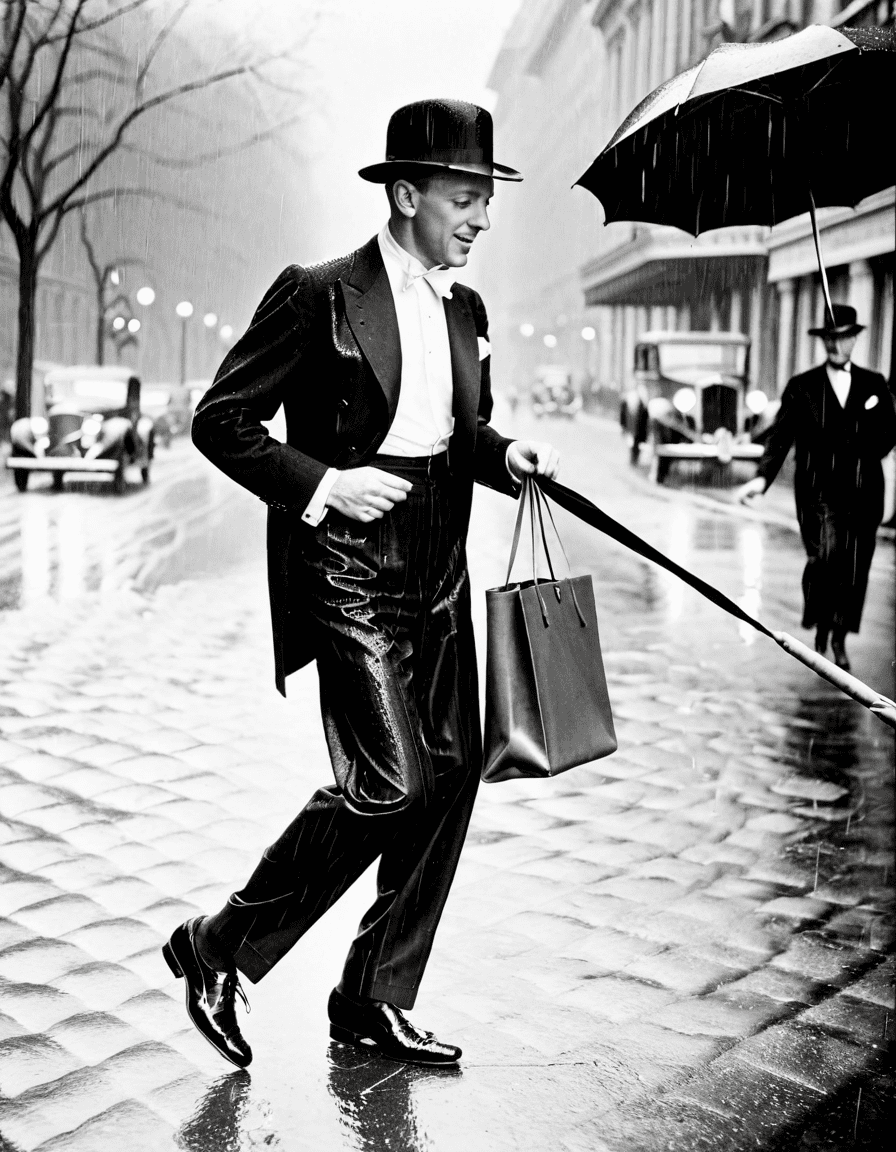
Fred Astaire’s contributions to cinema stretch far beyond just his dance prowess; his approach to performance reshaped Hollywood’s understanding of the musical genre. By blending narrative depth with pure artistic expression, he carved a path for artists to continue innovating. Media critics continually reference Astaire’s collaborations and artistry, highlighting how his pioneering spirit is still alive today.
As we reflect on Astaire’s enduring influence in 2026, it’s crystal clear his impact transcends genres from timeless musicals to modern blockbusters. The rich array of storytelling options available in films today owes much to the groundwork he laid. His legacy whispers throughout the film industry, inspiring countless performers and filmmakers eager to explore new creative avenues, reminding us of the spirit and elegance of dance that he championed.
In conclusion, Fred Astaire is a beacon of artistry, a model of elegance, and a powerful force in the history of cinema. His techniques, style, and innovative vision continue to reverberate in the cinematic landscape, demonstrating that the dance of storytelling is never-ending.
Fred Astaire: The Iconic Dancer Who Redefined Hollywood
An Unexpected Start
Fred Astaire wasn’t the dancing prodigy many might envision today. In fact, he faced quite a bit of skepticism early on. During his first audition, a casting director remarked that he “can’t act, can’t sing, and can dance a little.” Talk about a tough crowd! But Fred, with his unwavering spirit, turned that doubt into a powerhouse career, which led him to co-star with Ginger Rogers in a slew of films that remain classics. Interestingly, when Fred starred in “Anyone But You,” that film boasted an impressive cast that showcased talent reminiscent of his own dynamic partnerships, giving contemporary viewers a taste of Hollywood’s golden era all over again.
The Dance Revolution
When we talk about Fred Astaire, the conversation often swings around the way his dance style influenced generations. He redefined glamour, and his ability to blend tap dancing with unique choreography remains legendary. He was even known to meticulously plan his routines down to the finest detail, ensuring that his performances were fluid and lively. Astaire’s collaborations with composers like George Gershwin brought songs that are still beloved today. Remember that quintessential Disney backpack We all had as kids? His influence extended beyond film; he made dancing an everyday magic that everyone wanted to be part of, much like the excitement of unboxing your new favorite gear!
Legacy and Longevity
Beyond the dance floor, Fred Astaire’s charm and innovation transcended time. He was often compared to magician Harry Houdini, not just for his artistry but for the way he seemed to enchant audiences. In interviews later in his life, Fred often reflected on success through resilience, a lesson he evidently embodied throughout his career. Just as today’s stars tackle fame, Astaire navigated the complexities of Hollywood by maintaining an incredible balance between his personal and professional life. Even modern films like “Stomp the Yard” and the ensemble casts found in productions such as “A Real Pain” echo the collaborative spirit that Fred embraced, emphasizing how far dance and charisma can go in telling a story.
In all, Fred Astaire stands as an enduring icon. He endured years of creative challenges and still managed to remain in the spotlight, making him a symbol of perseverance-a true inspiration for anyone looking to follow in his footsteps. Just like the impactful stories we see today, his legacy continues to serve as a beacon in the industry.
This article was produced with AI assistance. How Loaded Video uses AI.
Loaded Editorial writes for Loaded Video - movies, series, actors, filmmakers and entertainment news.