
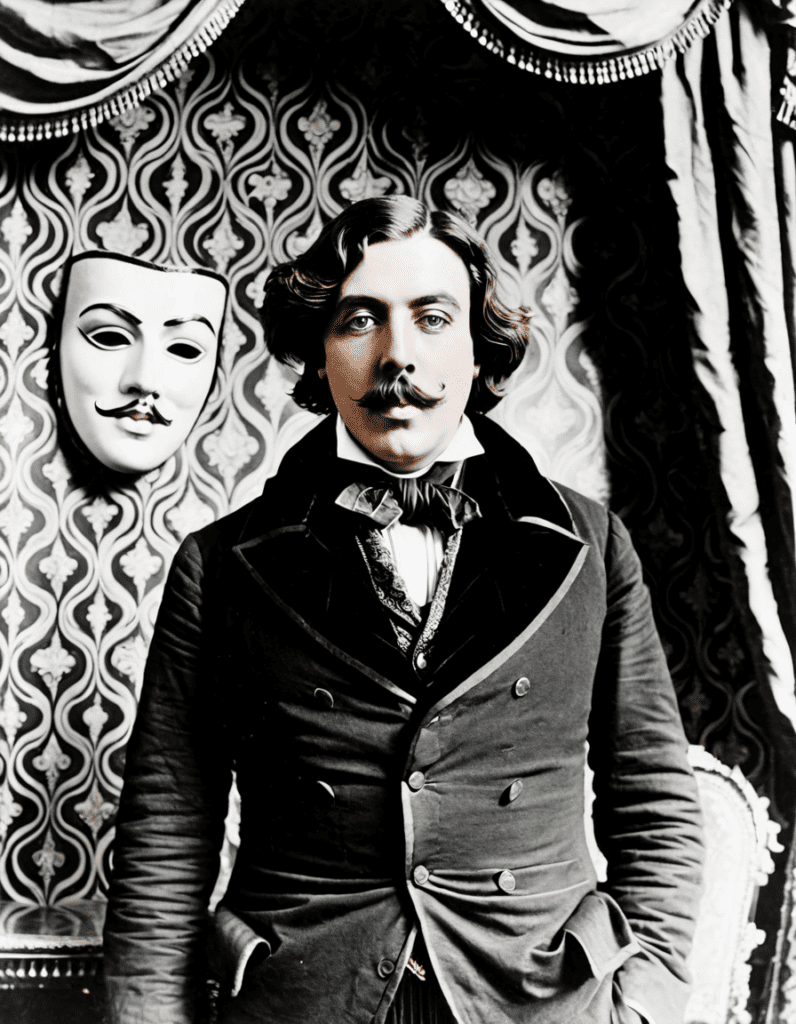
Oscar Wilde and his works have remained relevant and captivating for audiences even in the 21st century. His distinct blend of humor, social critique, and rebellion has carved out his place as a towering figure in both literary and cultural studies. In this article, we’ll dive into the life and narratives of Wilde, illustrating how his sharp wit and enduring perspectives reflect contemporary society.
Oscar Wilde and His Enduring Legacy in Literature
Oscar Wilde and his literary contributions have left an indelible mark on the roadmap of literary history. Understanding his work helps unveil not just the wit of the writer but also the societal issues he aggressively tackled. His narratives are so well-intertwined with themes of identity, authenticity, and social norms that they resonate with both modern-day discussions and individual experiences today.
Wilde’s life was as colorful as his prose. Born in Dublin, Ireland, in 1854, he soon became a figure of notable charm and intellect. His foray into Aestheticism-a movement that emphasized art for art’s sake-set the stage for the themes that would pervade his writing. Wilde’s encounters with the rigid Victorian society forcefully shaped his perspectives on morality and self-expression, serving as a catalyst for the brilliance we see in his works. Wilde’s bold stance against conventionality continues to inspire filmmakers and scriptwriters as they explore the complexities of human behavior and societal expectations.
Moreover, Wilde’s ability to articulate the struggles of marginalized identities remains critical. His life faced severe challenges, including imprisonment for homosexuality, which speaks volumes about the prejudices of his time. Through examining Oscar Wilde and his experiences, we see a reflection on how societal judgments can suppress individuality-and the importance of standing up against such repression.
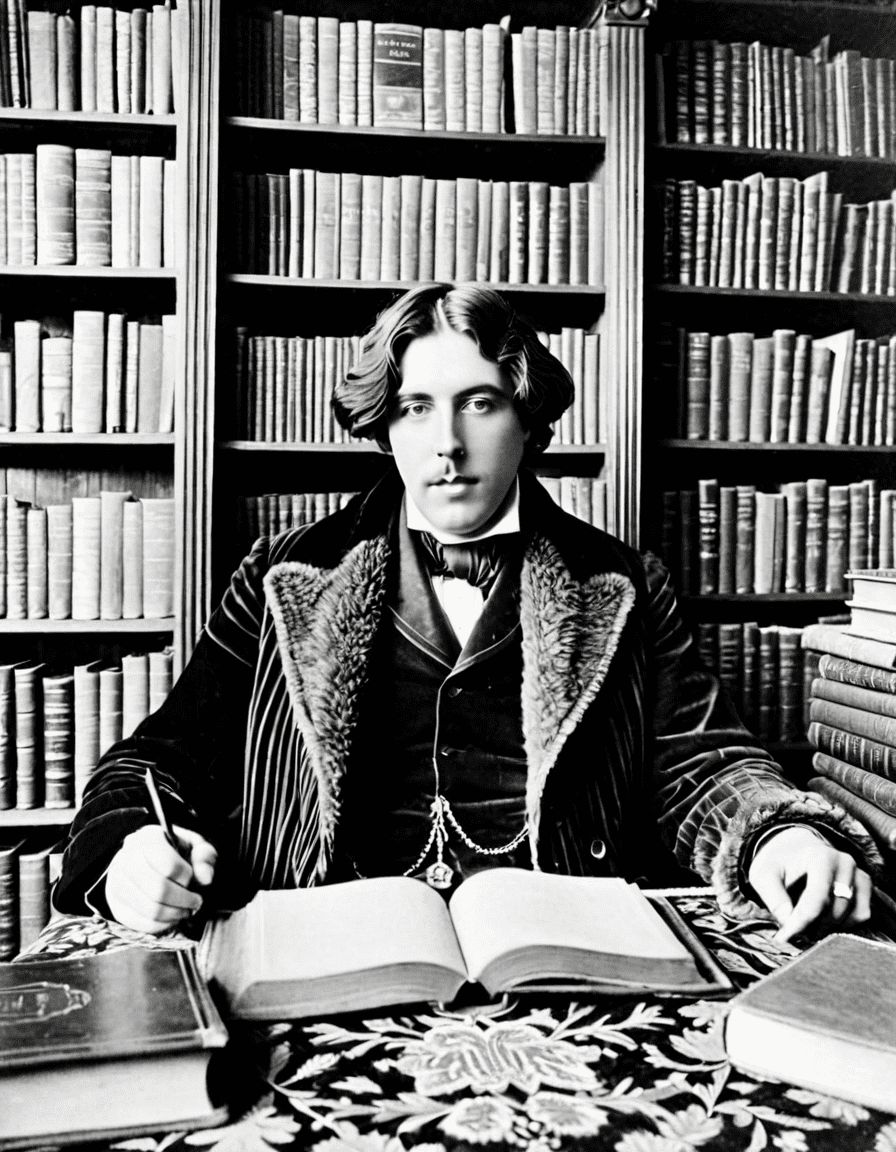
Oscar Wilde and His Top 7 Riveting Tales of Wit and Rebellion
1. The Picture of Dorian Gray (1890)
Wilde’s only novel tackles the themes of aestheticism, moral duplicity, and the relentless pursuit of beauty. The character Dorian Gray embodies the fierce battle between personal desires and societal expectations. While revealing the consequences of indulgence and superficiality, this narrative offers insights that are relevant to modern conversations about identity and authenticity.
2. The Importance of Being Earnest (1895)
This satirical play serves as a sharp critique of Victorian society, exposing the hypocrisy behind social conventions. Jack and Algernon, two characters who engage in a comedic tug-of-war over their identities, reveal the absurdity of societal roles. The humor is not just for laughs; it invites audiences to grapple with the often-conflicting desires for individuality and conformity.
3. The Canterville Ghost (1887)
Wilde juxtaposes American pragmatism with British tradition in this light-hearted novella. Sir Simon, the ghost, signifies the struggles of the past as he battles with a modern, straightforward American family. This narrative resembles the challenge many face today in reconciling historical roots with contemporary life.
4. De Profundis (1905)
Written during his imprisonment, “De Profundis” is a heartfelt letter that uncovers themes of suffering, redemption, and self-reflection. Wilde contemplatively reflects on loss and love, offering a deep dive into his soul. As a precursor to modern discourse surrounding mental health, it opens the conversation around healing and personal growth.
5. Lady Windermere’s Fan (1892)
Wilde’s exploration of marriage, hypocrisy, and morality in this play invites audiences to examine the intricacies of human relationships. Lady Windermere’s struggle between her societal role and personal values reflects ongoing discussions about gender roles and expectations, particularly in today’s feminist discourse.
6. Salomé (1893)
In this one-act play, Salomé pierces through the veil of feminine sexuality and empowerment. The character’s desire and manipulation, though set against a historical backdrop, invite modern parallels regarding female power and agency. Wilde’s portrayal of complex feminine characters is continuously relevant, igniting discussions about women’s rights today.
7. The Ballad of Reading Gaol (1898)
This poignant poem offers a visceral look into Wilde’s prison experiences, touching on themes of justice and suffering. The raw emotion challenging the reader pushes us to face the harsh realities of life. Its literary weight reverberates with contemporary movements advocating for systemic change, resonating deeply with those committed to social justice.
Oscar Wilde and His Influence on Contemporary Media
Oscar Wilde and his themes have transcended literature, permeating various forms of contemporary art and media. Films like the adaptation of The Importance of Being Earnest (2002) and Dorian Gray (2004) reaffirm heartrending narratives that reach today’s audiences. Renowned directors and actors draw inspiration from Wilde’s brilliant storytelling, signifying his timeless appeal.
Additionally, modern adaptations of Wilde’s works remind us of his ongoing relevance in the cinematic landscape. Viewing these adaptations against the backdrop of pivotal cultural dialogues brings new layers of insight, showcasing how Wilde’s genius continues to influence and inspire.
Oscar Wilde and the Resurgence of Queer Narrative
Oscar Wilde and his life experiences resonate with contemporary conversations surrounding LGBTQ+ rights and representation. His trial and subsequent imprisonment for “gross indecency” draw parallels to the continuous struggles against oppression. Recent adaptations, whether in theater or cinema, celebrate his contributions and emphasize the necessity of inclusivity in the arts.
Filmmakers are rediscovering Wilde’s narratives, often transforming them to reach LGBTQ+ audiences while fostering dialogues on identity and acceptance. Such reimaginings underscore the importance of recognizing and celebrating diverse identities in art.
Crafting Conversations Through Wit and Rebellion
Oscar Wilde and his riveting tales ignite vital conversations on individuality and societal norms. His ability to interweave humor with critique encourages readers and audiences to reflect on their own identities and the pressures they face in modern life. As social conventions are continually questioned, Wilde’s legacy stands as a guiding beacon toward greater understanding and acceptance.
In exploring Oscar Wilde and his works, we’re treated to a tapestry threaded with wit and rebellion, prompting us to not only laugh and reflect but also act in pursuit of authenticity. With every revisit of his literature, we deepen our understanding of humanity’s complexities, creating avenues for meaningful dialogue on personal and societal levels.
Oscar Wilde has gifted us a wealth of insights that challenge, entertain, and enlighten. Whether through film adaptations, stage productions, or literary revisions, his stories persistently invite us into a realm of introspection and growth, enriching the tapestry of 21st-century storytelling.
Oscar Wilde and His Witty Legacy
The Man Behind the Words
When we think of Oscar Wilde and his dazzling repertoire of wit and rebellion, one cannot overlook his flair for dramatic phrases and flamboyant style. Did you know Wilde was an avid follower of the aesthetic movement, which celebrated beauty and art above all else? This passion for aestheticism shines bright in his iconic works, such as “The Picture of Dorian Gray,” where the pursuit of pleasure often leads to moral corruption. Speaking of pursuits, there’s also the intriguing tale of the DCS System, which explores the depths of art and individual expression-something Wilde would’ve appreciated!
A Life of Twists and Turns
Tragically, Wilde’s own life was marred by scandal and conflict, echoing themes from his stories. He was imprisoned for his sexual orientation, a stark contrast to his humorous takes on society’s norms, leaving an indelible mark on LGBTQ+ history. It’s shocking to learn about such occurrences; for instance, the recent discussion around WWU student deaths Has brought to light issues surrounding mental health, which Wilde’s writings often grazed upon. His trials and tribulations serve as poignant reminders of how art can reflect life’s harsh realities.
Lasting Impact on Pop Culture
As we remember Oscar Wilde and his captivating tales, it’s fun to note how his influence stretches into modern entertainment as well. Just consider Tales Of Wells fargo, which showcases its own brand of storytelling or the fascinating character arcs seen in Unprisoned. Wilde’s ability to critique and comment on societal norms laid the groundwork for future writers and creators. His impact doesn’t stop there-how many Fictional characterS do we adore today owe a bit of their charm to Wilde’s legacy? Just think about the vibrant personalities in musicals from groups like MCR, which often channel Wildean themes of love and rebellion. And speaking of vibrant, many actors you recognize today have roots tracing back to his thrilling narratives, just as fans enjoy Sarah Hyland movies and TV shows, where humor and poignant reflections intermingle.
Oscar Wilde and his tales continue to fascinate, inspiring a relentless wave of creativity and discussion that transcends generations. His ability to weave wit with rebellion remains unmatched, making him a figure worth celebrating in any era.
This article was produced with AI assistance. How Loaded Video uses AI.
Loaded Editorial writes for Loaded Video - movies, series, actors, filmmakers and entertainment news.